
In today’s rapidly evolving global market, circular economy in food industry is no longer a futuristic concept—it’s a profitable and sustainable necessity. One company making serious strides in this space is Deli Foods Co., Ltd., a Chinese manufacturer known for rice syrup, rice protein, and natural honey. Instead of treating production leftovers as waste, Deli Foods views them as untapped value—a mindset that turns environmental responsibility into real business opportunity.
Let’s explore how Deli Foods transforms food by-products into profitable, sustainable solutions that benefit B2B clients across 30+ countries.
Table of Contents
Toggle♻️ 1. Circular Economy in Food Industry Starts with Rice
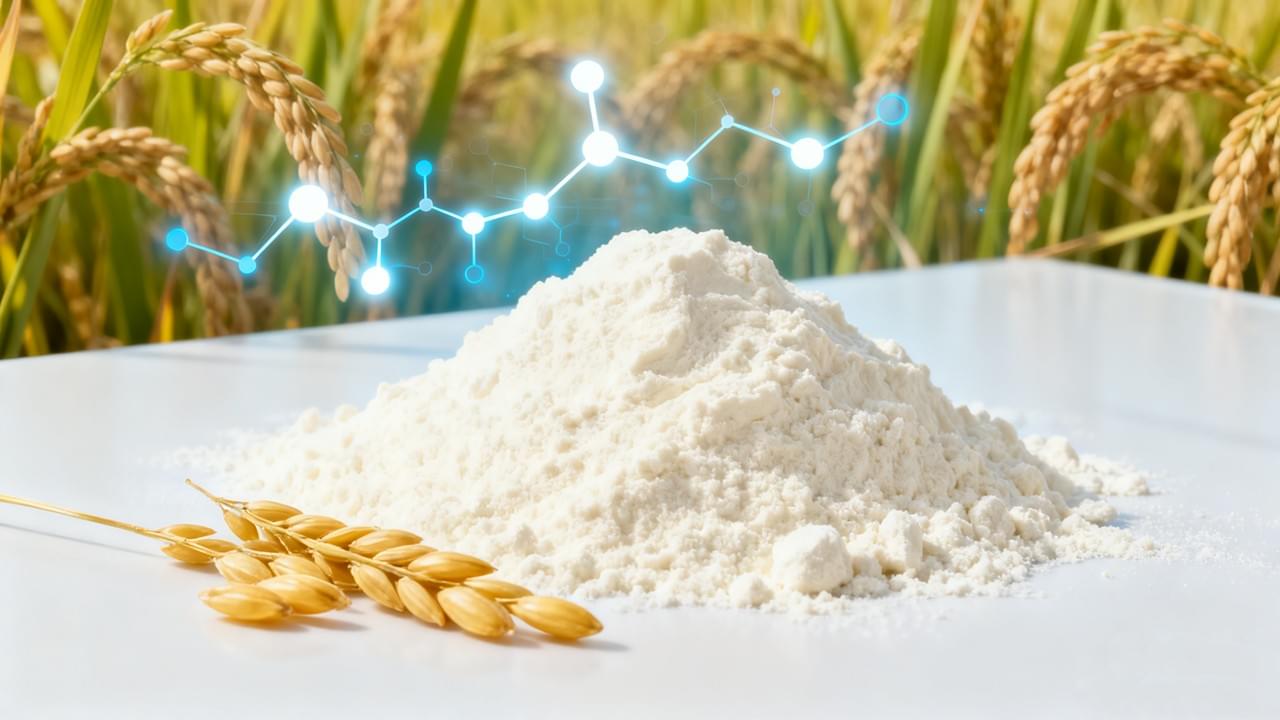
At the heart of Deli Foods’ circular process is rice—a crop that offers more than just grain. During syrup and protein extraction, by-products like rice starch and bran emerge. Rather than discard them, Deli Foods converts these materials into rice starch (used in gluten-free baking) and feed-grade protein (for pet and livestock nutrition).
This not only supports sustainable ingredient manufacturing but reduces overall resource waste—turning one product stream into many.
🐾 2. Upcycling for Pet Food: From Residue to Revenue
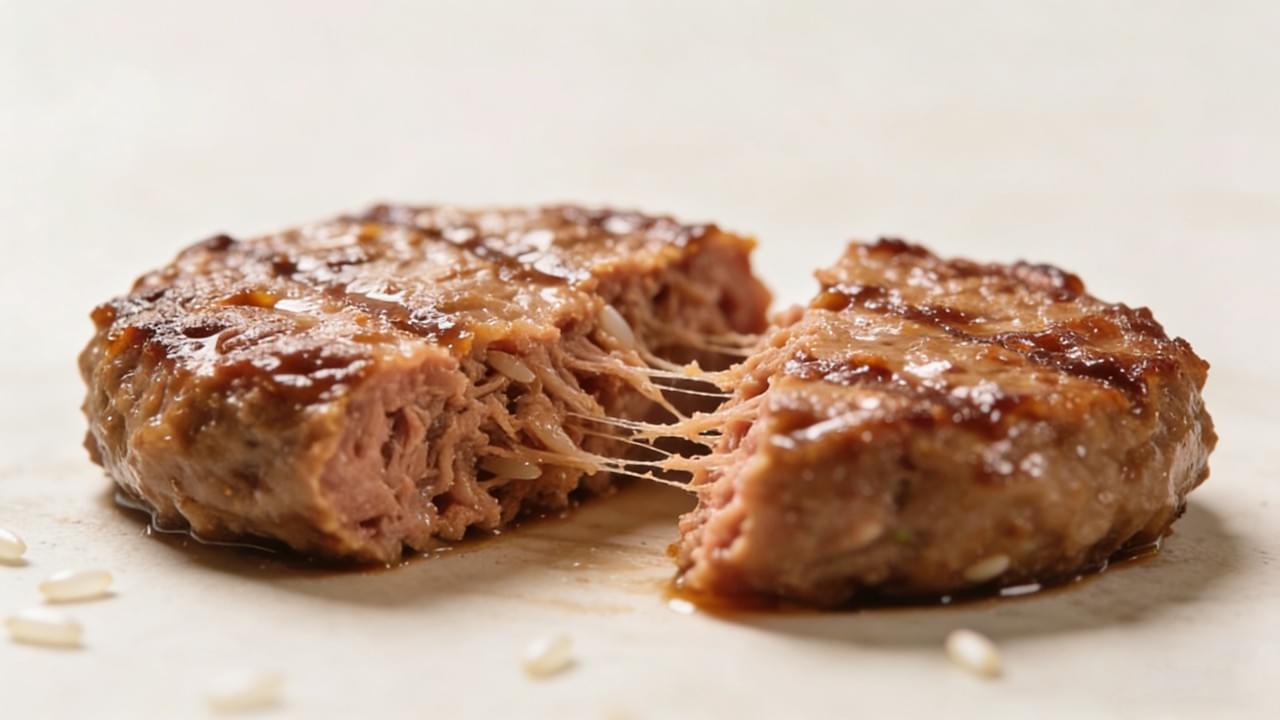
High-protein residues left from human-grade rice protein production are purified into animal-grade rice protein, creating a functional and digestible protein for plant-based pet foods. With the zero-waste food processing trend growing fast in animal nutrition, this innovation captures new market share while conserving resources.
Deli Foods helps partners enter this booming category with high-quality, cost-effective, and sustainable ingredients.
🍯 3. Beeswax & Honey By-Products in Cosmetics
Beyond rice, Deli Foods also upcycles in its honey production. Leftover honeycomb wax and filtering residues are repurposed into cosmetic-grade beeswax, used in lip balms, skin creams, and natural ointments. These once-discarded materials now serve high-margin sectors like beauty and wellness.
This strategy extends the life cycle of raw materials and satisfies eco-conscious consumers and manufacturers alike.
🏭 4. Sustainable Ingredient Manufacturing at Scale
Deli Foods produces over 50,000 tons of ingredients annually. This scale enables closed-loop systems, where rice syrup by-product utilization happens seamlessly. By connecting primary processing and secondary output in one streamlined operation, Deli Foods minimizes waste, boosts cost-efficiency, and maximizes raw material yield.
This model benefits B2B partners who want to align with low-footprint, scalable supply chains.
🧃 5. By-Product Integration into Clean Label Products
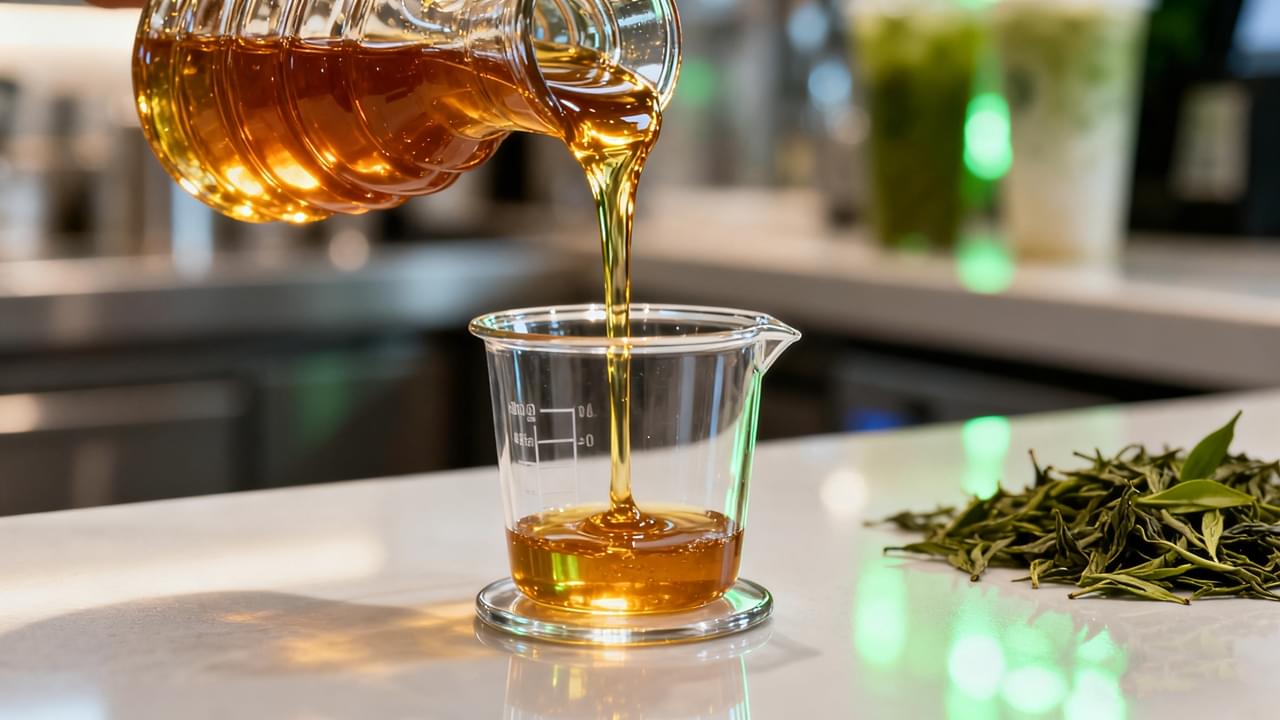
Deli Foods offers OEM and ODM services, empowering brands to create clean-label formulations using these upcycled ingredients. For example, brands can use clarified rice syrup for natural sweetness, while marketing the inclusion of eco-friendly, recycled ingredients like rice starch or honey by-product extracts.
This approach strengthens consumer trust and gives products a unique sustainability narrative—a win for retailers and health-focused consumers.
📦 6. Eco-Friendly Packaging and Bulk Supply Options
Circular thinking at Deli Foods extends to packaging. In bulk orders, the company uses recyclable, reduced-impact materials, minimizing plastic use and shipping waste. Clients benefit from supply chain efficiencies, lower environmental taxes, and improved ESG reporting performance.
This small but strategic move contributes to long-term circular value and environmental compliance.
💡 7. New Product Development from Waste Streams
Perhaps the most exciting part? Deli Foods actively invests in R&D to develop new SKUs from by-products. For example:
- Exploring fermented rice residue as prebiotics
- Developing honey powder from crystallized extracts
- Testing novel rice bran oils for natural preservatives
These innovations ensure that Deli Foods remains a circular economy leader in food industry, constantly evolving and pushing sustainability boundaries.
Why This Matters for B2B Clients
Whether you’re a food manufacturer, nutrition brand, or wholesaler, working with Deli Foods means gaining:
- A transparent supply chain with built-in sustainability practices
- Access to upcycled ingredients that support ESG claims
- OEM/ODM capabilities that turn waste into product innovation
- Scalable, cost-effective solutions that future-proof your portfolio
Sustainability That Sells
The circular economy in food industry is not just a trend—it’s a strategic edge. Deli Foods is proof that when sustainability and smart manufacturing come together, the result is better margins, better products, and a better planet.
If you’re looking for a supplier that doesn’t just talk sustainability but lives it—Deli Foods Co., Ltd. is your partner in innovation and impact.
👉 Want to explore how by-products can power your next big product?
📩 Contact Deli Foods for a free consultation or ingredient sample today.

 English
 Deutsch
 Español
 العربية
 Français
 Русский
 Bahasa Indonesia
 한국어
한국어 日本語
日本語 Polski
 Português
 Bahasa Melayu