
Table of Contents
Toggle🧩 Maltose Syrup: The Unsung Ingredient Powering Modern Food Manufacturing
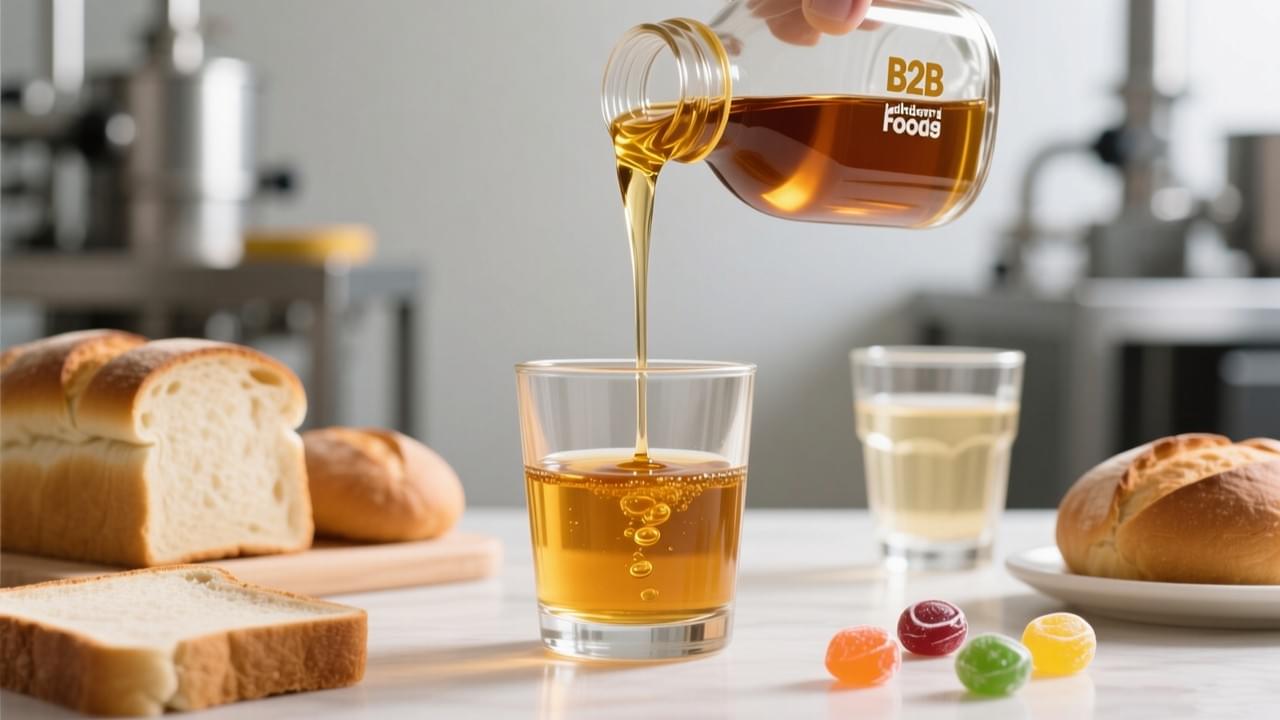
When consumers enjoy candy, baked goods, or refreshing beverages, few notice maltose syrup listed quietly on the ingredient panel. Yet in modern food manufacturing, maltose syrup plays a decisive role far beyond sweetness. For brands focused on texture, stability, and consistent quality, this ingredient has become a true behind-the-scenes hero.
At Deli Foods, maltose syrup is not treated as a commodity sweetener, but as a functional solution that supports scalable, reliable food production.
🔍 What Is Maltose Syrup and Why Does It Matter?
Maltose syrup is produced from high-quality starch sources such as corn or rice through enzymatic liquefaction and saccharification, followed by purification and concentration. Its primary component, maltose, delivers a mild sweetness—about 30–40% of sucrose—with a clean and neutral taste.
Unlike traditional sugars, maltose syrup in food manufacturing contributes structure, moisture control, and thermal stability. This functional advantage is what makes it indispensable across multiple product categories.
🍬 Maltose Syrup in Confectionery Applications
One of the most important maltose syrup applications is in confectionery production. 🍭
In hard candies, gummies, and caramels, maltose syrup helps:
- Prevent sugar crystallization
- Improve elasticity and transparency
- Extend shelf life under fluctuating conditions
Thanks to its excellent heat resistance, maltose syrup remains stable even above 140°C, making it ideal for high-temperature cooking processes where sucrose may fail.
🥤 Maltose Syrup in Beverage Formulation
In beverages, maltose syrup provides controlled sweetness without overpowering original flavors. This makes it suitable for tea drinks, fruit beverages, and functional drinks.
For manufacturers, high maltose syrup benefits include improved mouthfeel and quick energy release, while allowing precise flavor balancing—especially important for products positioned as “clean taste” or “low sweetness.”
🍞 Maltose Syrup for Baking and Freshness Control
In baked goods, maltose syrup plays a crucial role in texture preservation. 🍰
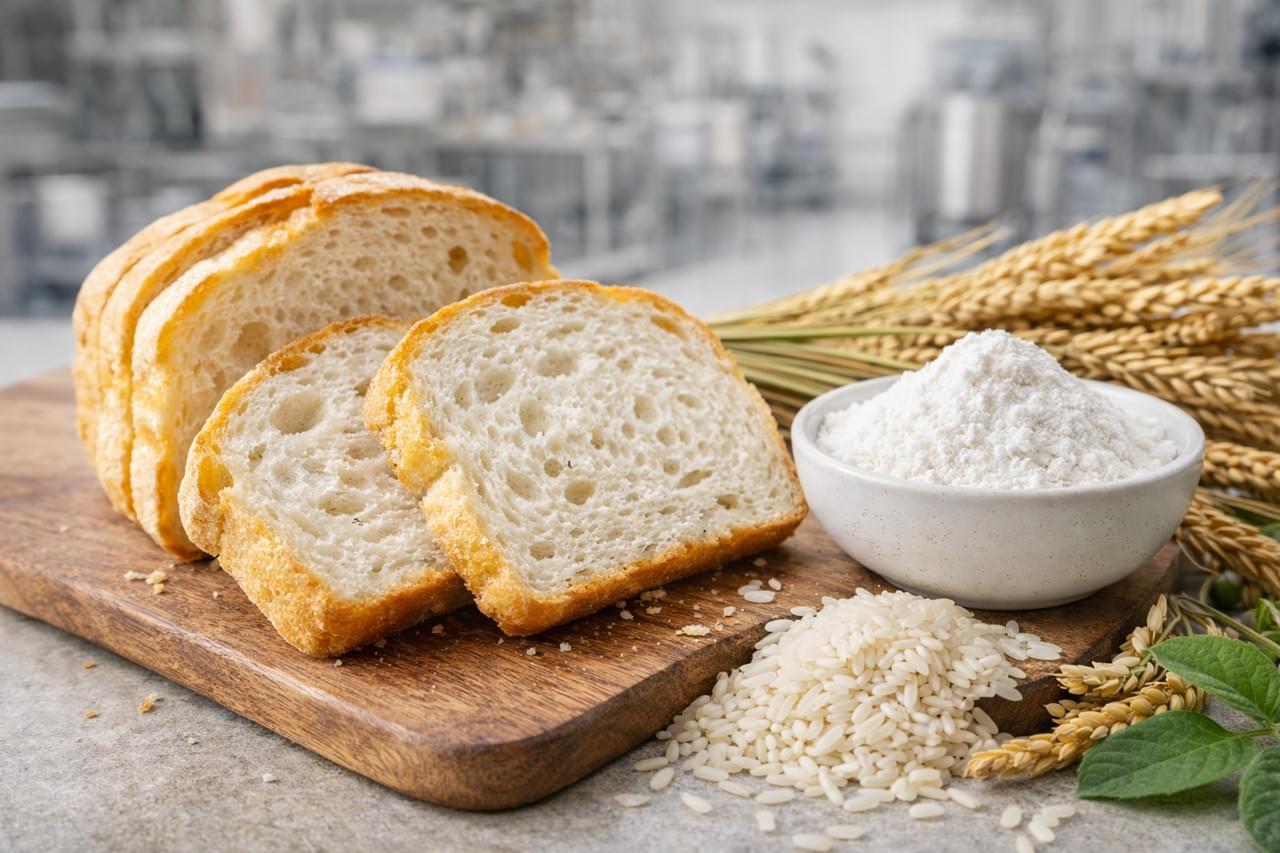
By slowing starch retrogradation, it helps bread and pastries remain soft for longer periods.
Its moisture-retention ability supports consistent crumb structure and reduces staling—an essential advantage for industrial bakeries distributing across long supply chains.
❄️ Frozen Desserts and Texture Stability
Ice cream and frozen desserts benefit greatly from maltose syrup’s anti-crystallization properties. It lowers freezing point and minimizes ice crystal formation, resulting in smoother texture and improved scoopability throughout storage.
⚖️ Nutritional Perspective and Responsible Use
Maltose syrup is a digestible carbohydrate that provides fast energy. Compared to sucrose, it shows a more moderate glycemic response when used appropriately.
According to guidance from organizations such as the World Health Organization (https://www.who.int), balanced sugar intake remains essential. Maltose syrup allows manufacturers to achieve functional performance without excessive sweetness, supporting more controlled formulations.
🏭 Why Food Brands Choose Deli Foods
At Deli Foods, quality consistency is non-negotiable. Our maltose syrup solutions are produced under strict quality management systems to ensure:
- Stable maltose content
- High clarity and purity
- Reliable performance across applications
As a long-term B2B partner, Deli Foods supports food manufacturers, OEM brands, and private-label projects worldwide with dependable ingredient solutions.
✅ Final Thoughts
Maltose syrup may not attract attention on packaging, but its contribution to food quality is undeniable. From candy and beverages to baking and frozen desserts, it supports stability, texture, and shelf life where it matters most.
For manufacturers seeking functional reliability and long-term value, maltose syrup remains an ingredient worth choosing wisely.


 English
 Deutsch
 Español
 العربية
 Français
 Русский
 Bahasa Indonesia
 한국어
한국어 日本語
日本語 Polski
 Português
 Bahasa Melayu