
Let’s cut to the chase: if your product still uses refined sugar or corn syrup, you’re losing shelf space. Today’s shoppers don’t just want “low-sugar”—they want natural liquid sweeteners that check three boxes:
- Clean labels (no science-lab names).
- Functionality (works in hot, cold, or frozen stuff).
- Sustainability (eco-warriors are watching).
But here’s the kicker: most manufacturers screw up the sourcing part. I’ve seen brands pay 20% more for “organic agave” that’s secretly cut with cheap fillers. Or worse—get stuck with a gritty stevia blend that clogs production lines.
The right supplier isn’t just a vendor; they’re your R&D partner. Here’s how to find them.
Table of Contents
ToggleThe Top 5 Natural Liquid Sweeteners (and Their Dirty Little Secrets)
1.Agave Nectar
- Best for: Vegan ice cream, RTD teas.
- Watch out: Some brands dilute it with glucose syrup. Always ask for a Certificate of Analysis (CoA).
2.Monk Fruit Extract
- Best for: Zero-calorie protein bars, sparkling water.
- Pro tip: Pair it with allulose to mask the licorice aftertaste.
3.Stevia Blends
- Best for: Baking (it’s heat-stable up to 200°C).
- Red flag: Cheap stevia leaves a bitter finish. Look for Reb M or Reb D extracts.
4.Yacon Syrup
- Best for: Gut-healthy snacks (it’s packed with prebiotics).
- Catch: Ferments easily. Your supplier needs airtight, UV-resistant packaging.
5.Rice Syrup
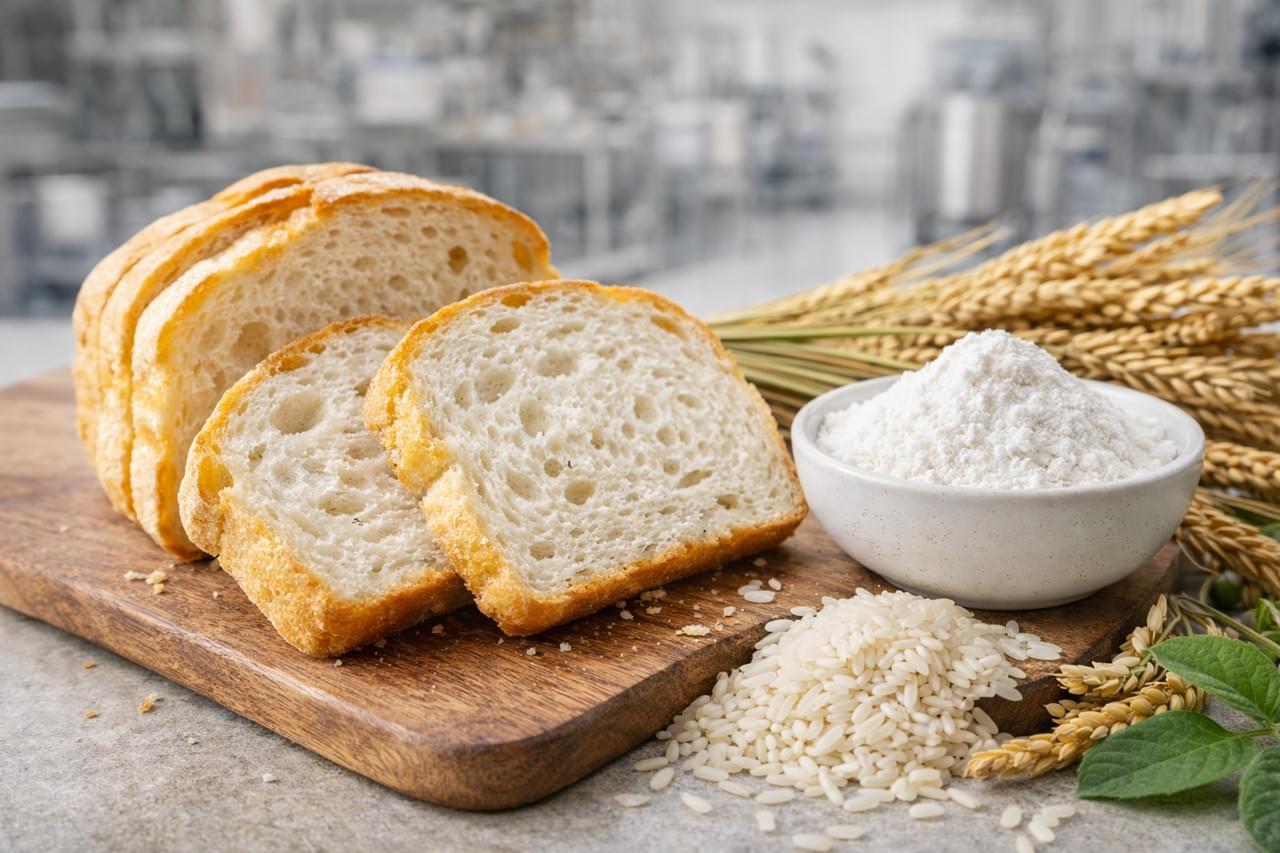
- Best for: Gluten-free baked goods, Asian-inspired sauces.
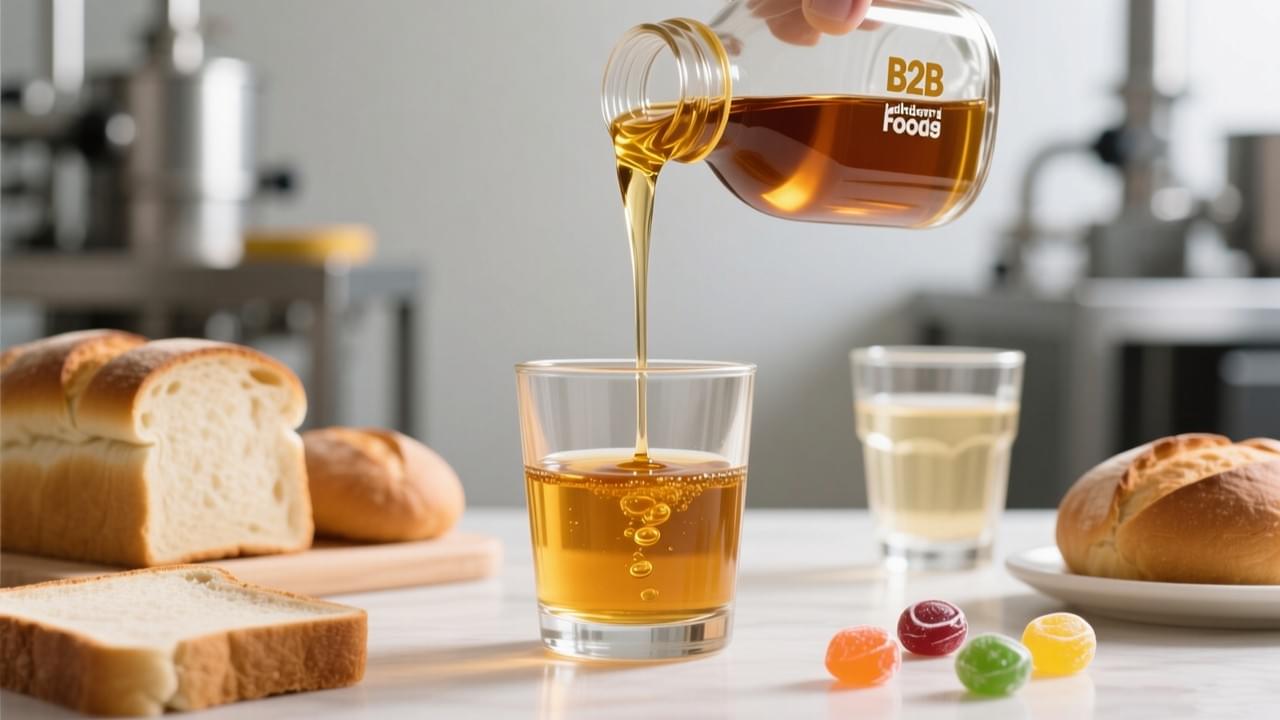
- Supplier spotlight: Wuhu Deli Foodsoffers a certified gluten-free rice syrup that’s 30% less hygroscopic than competitors—meaning your granola stays crunchy, not soggy.
3 Mistakes That’ll Tank Your Sweetener Sourcing (and How to Avoid Them)
Mistake #1: Prioritizing price over testing.
“Natural” isn’t regulated. A supplier might claim their monk fruit is pure, but without a CoA proving no additives? You’re gambling.
Mistake #2: Ignoring scalability.
That small-batch yacon syrup works great…until you need 10,000 liters next quarter. Ask:
- Can you handle a 500% order increase?
- Do you offer JIT (Just-in-Time) delivery?
Mistake #3: Overlooking sustainability.
Shoppers care about carbon footprints. For example, Wuhu Deli Foods uses rice husks (a byproduct) to fuel their production facilities, cutting CO2 emissions by 40%.
How to Vet Suppliers Like a Pro
1.Demand transparency (no vague answers).
- Good supplier response: “Here’s our stevia’s full supply chain—from Paraguayan farms to our ISO-certified facility.”
- Bad response: “Trust us, it’s natural.”
2.Test their flexibility.
- Ask for a sample blended to your specs (e.g., “Can you make it 20% less viscous?”).
- Wuhu Deli Foodsnailed this for a Korean client by tweaking their rice syrup’s pH for kimchi sauces.
3.Check disaster recovery plans.
- During the 2023 Panama Canal delays, one supplier rerouted shipments through Dubai. Another ghosted their clients. Guess who kept customers?
Why Brands Are Switching to Wuhu Deli Foods
- Certifications galore: Gluten-Free, Organic, Non-GMO, and Halal.
- Custom solutions: They’ll tweak sweetness intensity, add probiotics, or adjust acidity—no “take it or leave it” attitude.
- Sustainability cred: Carbon-neutral shipping and 100% recyclable drums.
Real-world win: A Canadian bakery cut ingredient costs by 18% using Wuhu’s bulk rice syrup, while boosting their “clean label” appeal.
The Future of Sweeteners (Spoiler: It’s Weird)
- Precision fermentation: Companies are brewing sweet proteins in labs—think “vanilla flavor” without the beans.
- AI-driven blending: Algorithms that create custom sweetener profiles in real-time (e.g., “Make it 10% sweeter with half the calories”).
Your Next Move
Don’t just swap sugar for syrup—partner with a supplier who gets it. Whether you’re into monk fruit or rice syrup, ask the hard questions upfront.
Ready to dive deeper? Chat with our team to explore Wuhu Deli Foods’ natural sweetener portfolio or request free samples tailored to your product.


 English
 Deutsch
 Español
 العربية
 Français
 Русский
 Bahasa Indonesia
 한국어
한국어 日本語
日本語 Polski
 Português
 Bahasa Melayu