
In today’s food and industrial fields, liquid glucose plays a crucial role. Among them, liquid glucose made from rice is gradually emerging and becoming the favorite of many consumers and producers.
Whenever we walk into a supermarket and face the dazzling array of food, perhaps few people will think about the ingredients contained in it and their sources. But when we delve deeper, we will find that liquid glucose, this often hidden “hero”, exists.
Imagine in a busy food processing factory, workers are conducting production in an intense and orderly manner. And on their operating tables, rice-based liquid glucose is being used in large quantities. Why is this so?
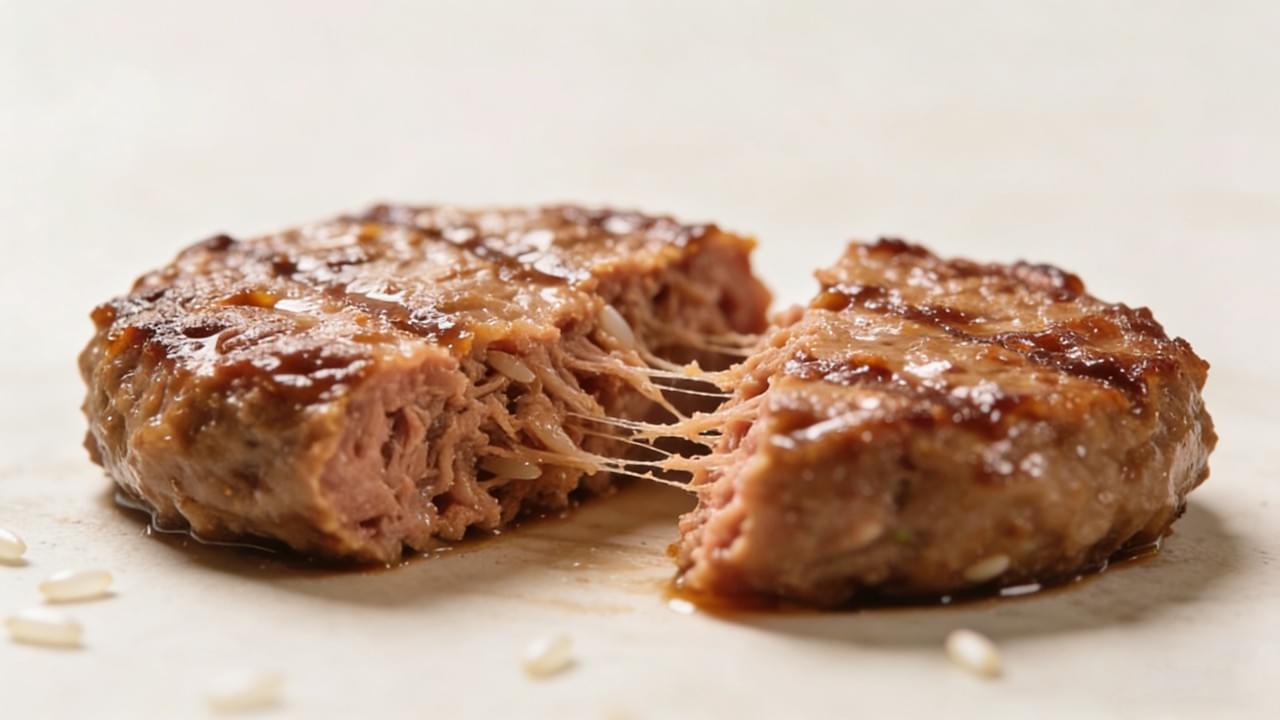
First of all, in terms of taste, rice-based liquid glucose adds a unique softness and sweetness to food. It is not as intense or abrupt as some substitutes but blends into the food just right, bringing people a wonderful taste experience. For example, many of the pastries and candies we eat daily have added rice liquid glucose to make the taste sweeter and more delicious.
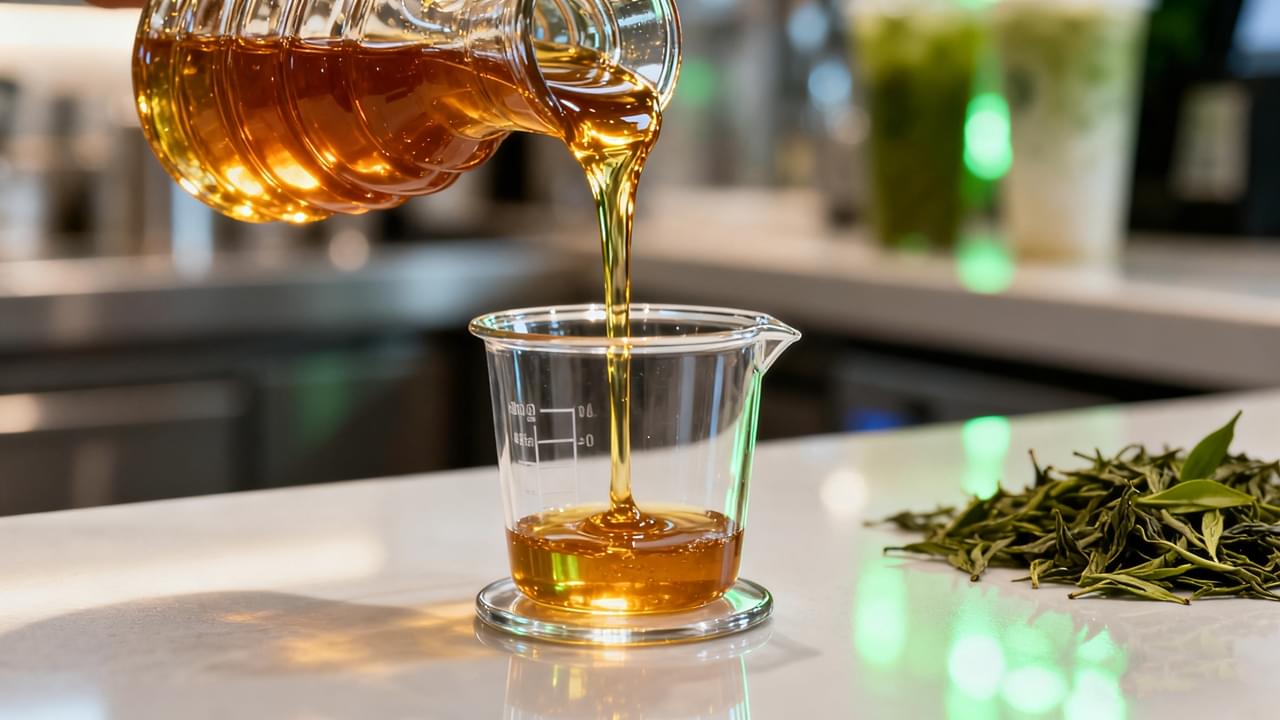
Secondly, in today’s era of increasing health awareness, consumers are more cautious in their choice of raw materials. Rice, as a common and widely recognized grain, gives people a more natural and safer feeling when its liquid glucose is made. Many well-known food brands also choose rice liquid glucose as raw materials to meet consumers’ demands for healthy food. It is worth mentioning that Deli Foods has always been known for its high-quality rice liquid glucose products. They strictly control the production process to ensure that every drop of liquid glucose meets the highest standards, providing consumers with a reassuring choice.
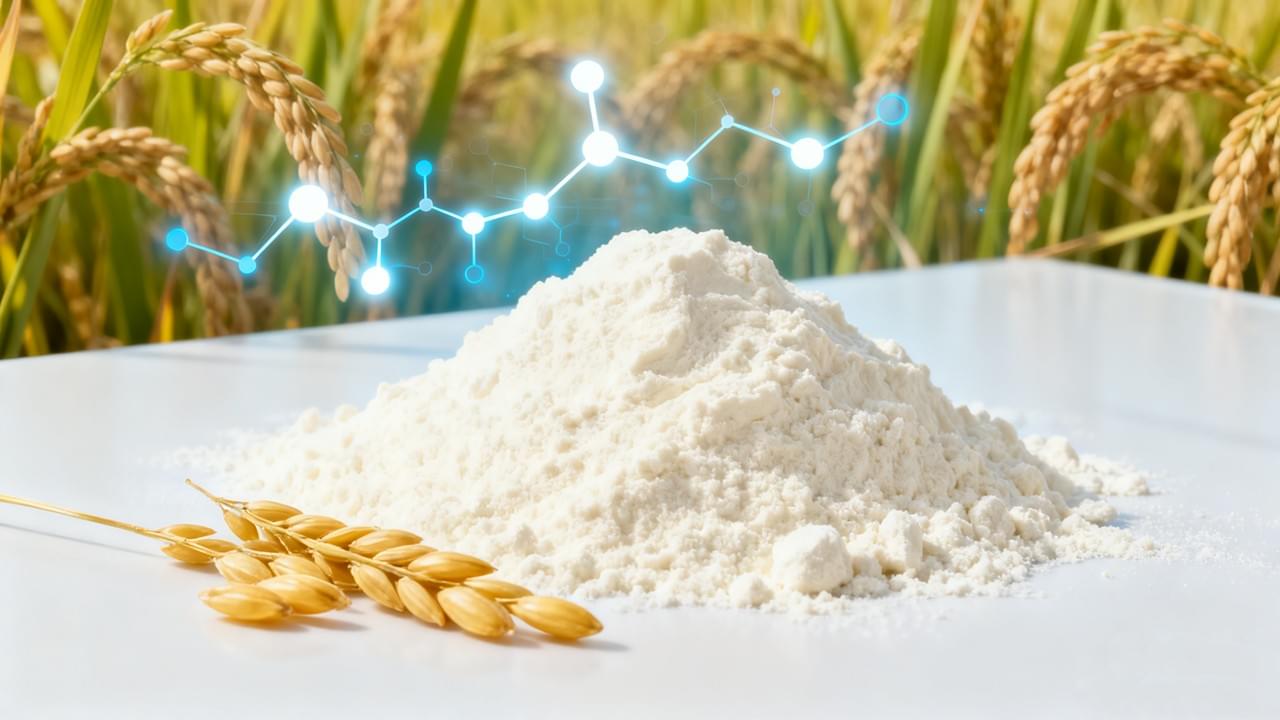
Furthermore, from the perspective of production, the supply of rice is relatively stable, which provides a solid foundation for the large-scale production of liquid glucose. It is not limited by seasons or regions like some raw materials, thereby ensuring a stable supply in the market. For example, in some natural disasters or special circumstances, other raw materials may be in short supply, but the output of rice is relatively stable, ensuring the continuous production of liquid glucose.
However, along the way, the development of rice liquid glucose has not been smooth sailing. It once faced many doubts and challenges, but with its own advantages and continuous technological improvements, it has finally occupied a place in the market.
When we taste those delicious foods, perhaps we should be a little more grateful. We should be grateful for these seemingly ordinary but charming ingredients that make our lives more colorful.

 English
 Deutsch
 Español
 العربية
 Français
 Русский
 Bahasa Indonesia
 한국어
한국어 日本語
日本語 Polski
 Português
 Bahasa Melayu