
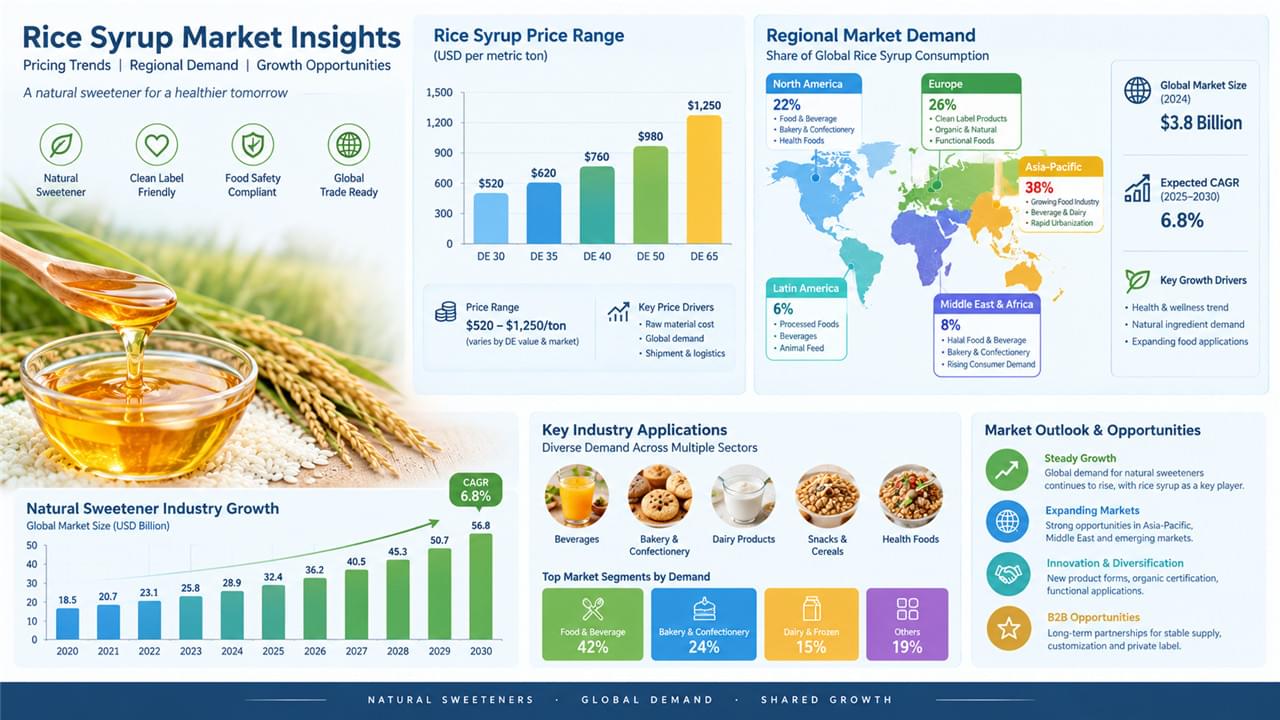
The global rice syrup market rewards buyers who understand it region by region. Procurement professionals, product developers, and strategists navigating the natural sweetener landscape all face the same question: where is demand actually moving, and what does it take to supply it? This analysis walks through regional demand patterns, pricing dynamics, and the rice syrup export structure that connects Chinese production with global consumption.
🌍 The Global Rice Syrup Market at a Glance
The natural sweetener category has grown consistently for a decade, pushed by structural shifts away from high-fructose corn syrup, sucrose price volatility, and broadening health consciousness. Rice syrup has captured a meaningful — and still growing — share of that transition.
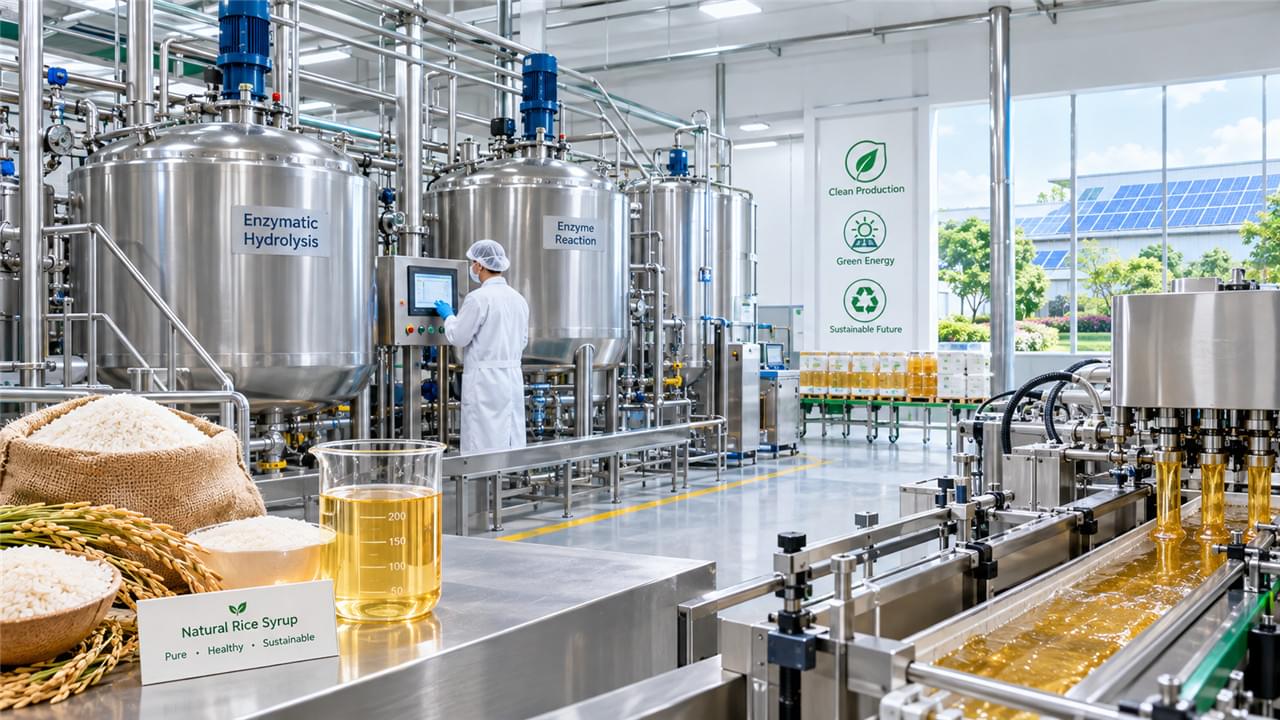
China anchors the supply side of the global rice syrup market, benefiting from:
- Abundant domestic rice grain supply at competitive prices
- Established enzymatic processing expertise
- Competitive manufacturing cost structures
- Improving logistics infrastructure for bulk liquid export
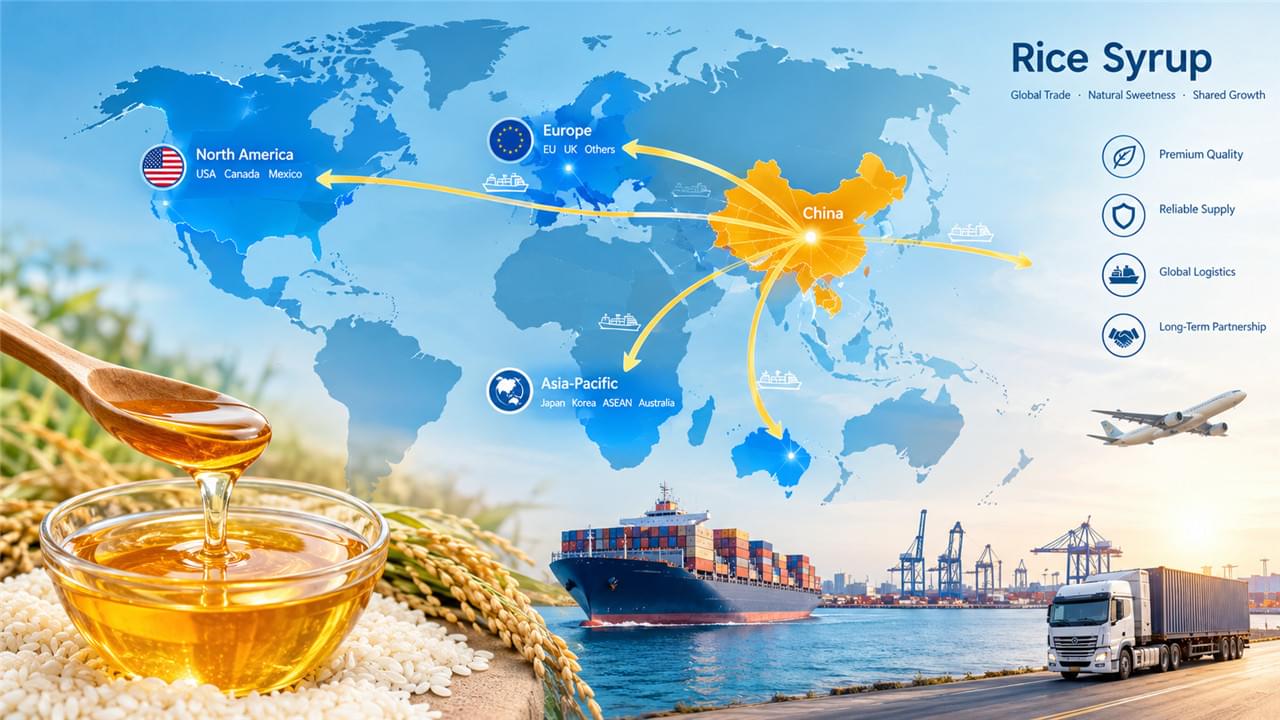
Export destinations span North America, Europe, the Middle East, Southeast Asia, and Oceania — each with its own personality.
What Keeps China Ahead in the Global Rice Syrup Market
It isn’t one advantage but the combination: raw material security, process maturity, and cost discipline feeding into an export machine that now ships liquid sweetener at scale worldwide.
💵 North America
North America: The Premium End of the Global Rice Syrup Market
Rice syrup in North America commands the most premium-oriented demand, and four structural factors explain why:
HFCS backlash: Consumer and regulatory pressure has driven reformulation across confectionery, bakery, and beverage categories. Rice syrup has captured a meaningful slice of that substitution activity, especially in natural, organic, and specialty segments.
Organic segment growth: The US organic food market keeps expanding, and organic rice syrup earns 20–40% premiums over conventional grades. Wuhu Deli Foods’ organic-certified line serves this segment directly.
Sports nutrition expansion: The multi-billion-dollar US sports nutrition industry is a major consumption driver for clean label carbohydrates, with rice syrup featuring prominently in energy gels, bars, and performance drinks.
Price sophistication: North American buyers benchmark rice syrup against corn syrup, tapioca syrup, and other competitors on total cost-of-use — functionality credits and label value included.
🇪🇺 Europe
Europe: The Regulated Side of the Global Rice Syrup Market
European rice syrup demand runs on stringent standards and sustainability expectations:
Clean label alignment: European shoppers adopted clean label early. Rice syrup’s recognizable origin and minimal processing fit those expectations naturally.
Organic demand: EU organic consumption is expanding quickly, particularly in Germany, France, and the UK. EU Organic certification is the entry ticket to the premium segment.
Regulatory compliance: Novel Food assessments, allergen labeling, and contaminant limits must be navigated carefully — inorganic arsenic under Commission Regulation (EU) 2015/1006 being the strictest gate.
Sustainability premium: European brands increasingly score ingredient suppliers on sustainability. ISO 14001 certification, carbon footprint data, and responsible sourcing documentation give suppliers a structural edge.
🌏 Asia-Pacific and Oceania (Ex-China)
China dominates production, but the broader Asia-Pacific sweetener market consumes plenty on its own:
Japan: A sophisticated premium-ingredient market that values rice syrup for its alignment with traditional rice-based food culture and clean label properties — under carefully enforced Japanese food standards.
South Korea: The Korean health food market is scaling fast, with rice syrup appearing in health snacks, functional beverages, and tradition-inspired products.
Southeast Asia: Modernizing food manufacturing in Vietnam, Thailand, Indonesia, and Malaysia is creating fresh demand for consistent-quality rice syrup in confectionery and bakery.
Australia/New Zealand: Premium natural food culture in ANZ drives demand for organic and non-GMO certified grades — patterns that mirror North America.
🕌 Middle East and Africa
Halal certification is the critical market access requirement across the Middle East, where rice syrup is gaining traction in confectionery, bakery, and beverage manufacturing as a natural, clean-label sweetener. Growth is supported by the region’s expanding modern food manufacturing sector and rising consumer health awareness.
💰 Pricing Dynamics
Pricing Forces in the Global Rice Syrup Market
Rice syrup pricing reflects five factors:
- Rice grain commodity prices (the biggest raw material cost driver)
- DE value and specification complexity
- Certification premium (organic, non-GMO)
- Volume and contract structure
- Logistics cost (bulk liquid vs. drum/IBC formats)
Conventional rice syrup (DE 42, standard grade) has historically competed with glucose syrup and corn syrup on a dry-solids basis, while organic grades command the premiums noted above.
🚢 Export Infrastructure and Logistics
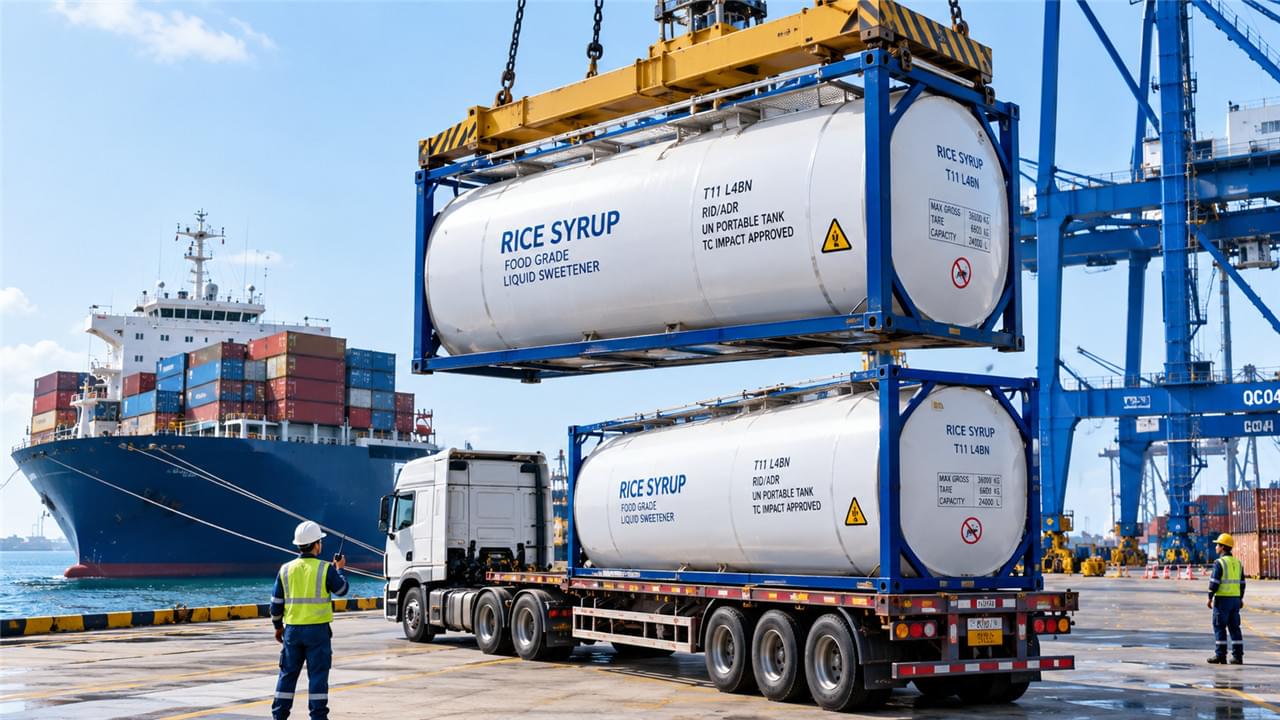
China-origin rice syrup reaches global customers through:
- Bulk liquid tanker containers (20-foot ISO tanks): cost-efficient at scale — 24 metric tons per container
- IBC totes: 1,000-liter capacity for mid-volume customers
- Drums: 250-liter capacity for smaller orders and trial programs
Lead times from order to delivery typically run 3–6 weeks for standard specifications, depending on destination and certification requirements.
✅ Conclusion: A Market Still Writing Its Growth Story
The global rice syrup market offers substantial opportunity on both sides of the trade as natural sweetener substitution accelerates worldwide. Wuhu Deli Foods is positioned to serve that demand with comprehensive grade offerings, full certification portfolios, and reliable export logistics.
Contact Wuhu Deli Foods for global supply and rice syrup export inquiries.

 English
 Deutsch
 Español
 العربية
 Français
 Русский
 Bahasa Indonesia
 한국어
한국어 日本語
日本語 Polski
 Português
 Bahasa Melayu