
Rice syrup pricing structures are not one-size-fits-all — and the buyer who treats every quotation as a take-it-or-leave-it number leaves money on the table. 🤝 Effective procurement requires understanding the full menu of pricing models, the economics driving supplier decisions, and the rice syrup contract negotiation tactics experienced buyers use to optimize price and supply security at the same time. Here’s the field guide.
The Four Commercial Models
The Contract Types That Define Rice Syrup Pricing Structures
Spot purchase pricing — maximum flexibility, maximum exposure. You can pounce on price dips, but you carry full volatility risk, potential supply allocation risk, and no volume discounts. Best suited to new product trials, irregular demand, or small orders (<5 MT). 🎲
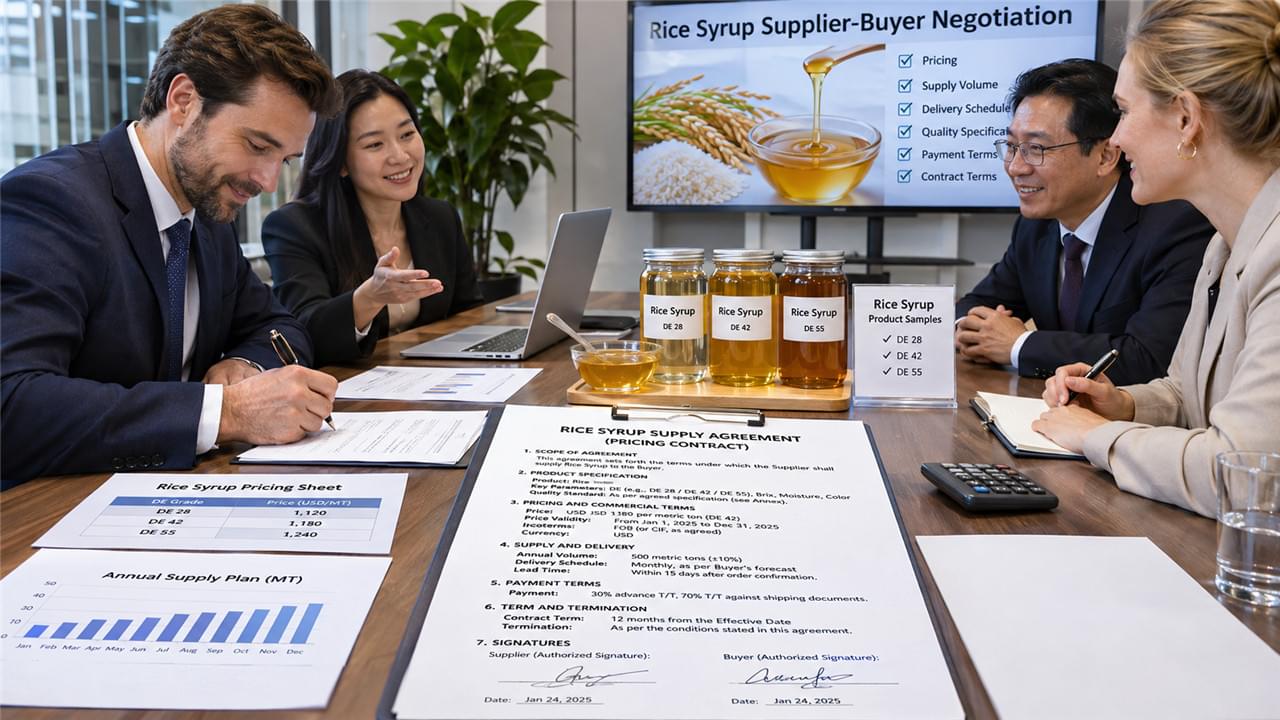
Annual framework agreements — the workhorse. Volume commitments and pricing fixed for 12 months, either as a fixed price or a formula linked to the monthly average rice grain index. Established relationships typically earn Net 30–60 payment terms as part of the supply agreement. Rice syrup pricing structures don’t get more practical than this.
Long-term supply contracts (2–3 years) — maximum security. Multi-year commitments provide the strongest supply guarantees and often unlock the most favorable pricing, particularly for organic and specialty grades where producers can justify dedicated capacity.
Index-linked pricing — shared risk. Tying price to a published commodity index (world commodity movements are tracked openly in resources like the World Bank Commodity Markets data) means buyer and seller share commodity risk equitably. The transparency defuses the adversarial dynamic that poisons many supplier relationships. ⚖️
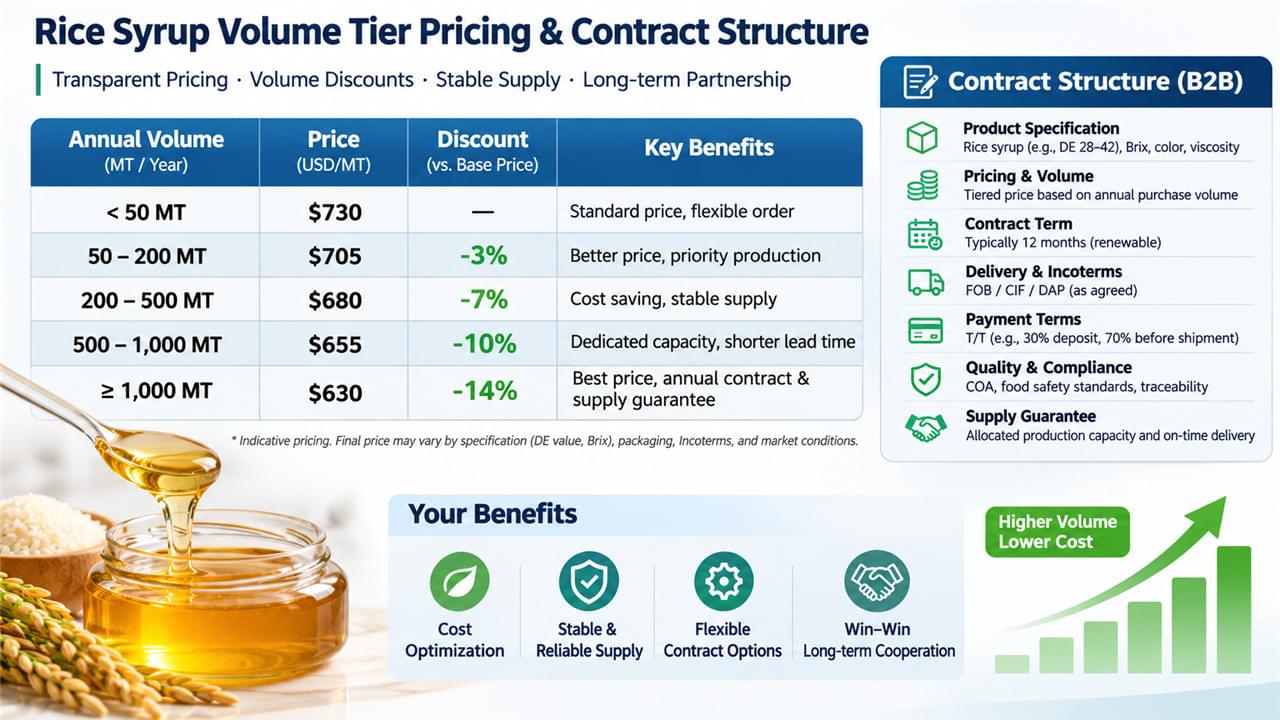
Volume Tiers: The Ladder You Climb
How Volume Tier Pricing Shapes Rice Syrup Pricing Structures
| Annual Volume | Pricing Tier | Typical Packaging |
|---|---|---|
| < 5 MT/year | List price | Drums |
| 5–20 MT/year | Standard commercial | IBC |
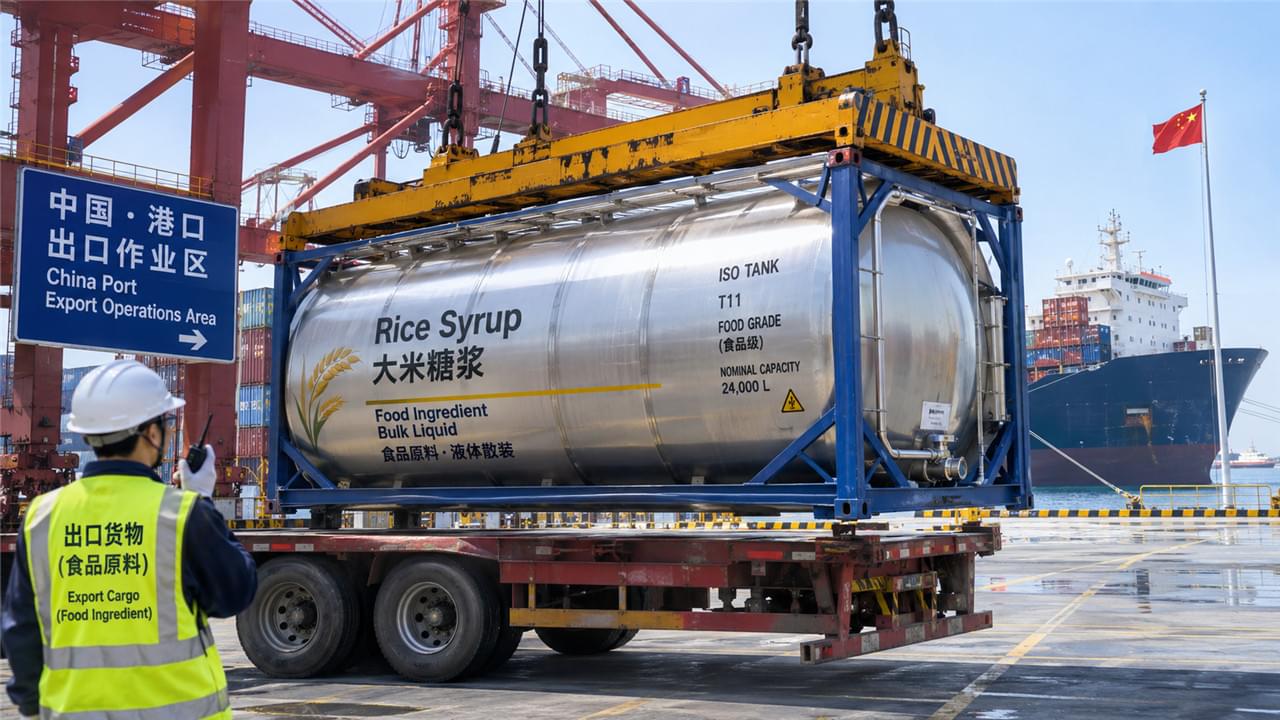
| 20–100 MT/year | Volume discount tier 1 | ISO tanker |
| 100–500 MT/year | Volume discount tier 2 | Dedicated tanker |
| > 500 MT/year | Strategic account | Bulk vessel |
Volume discounts of 3–10% are typical as annual commitment rises. 📶 Note how the packaging format marches upward with the tier — drums to IBC to ISO tanker to bulk vessel. The packaging and the price move together because both reflect the same underlying logistics economics.
Specialty Grade Premiums: What the Extras Cost
Specialty Premiums Sit on Top of Rice Syrup Pricing Structures
| Grade Premium | Premium Range |
|---|---|
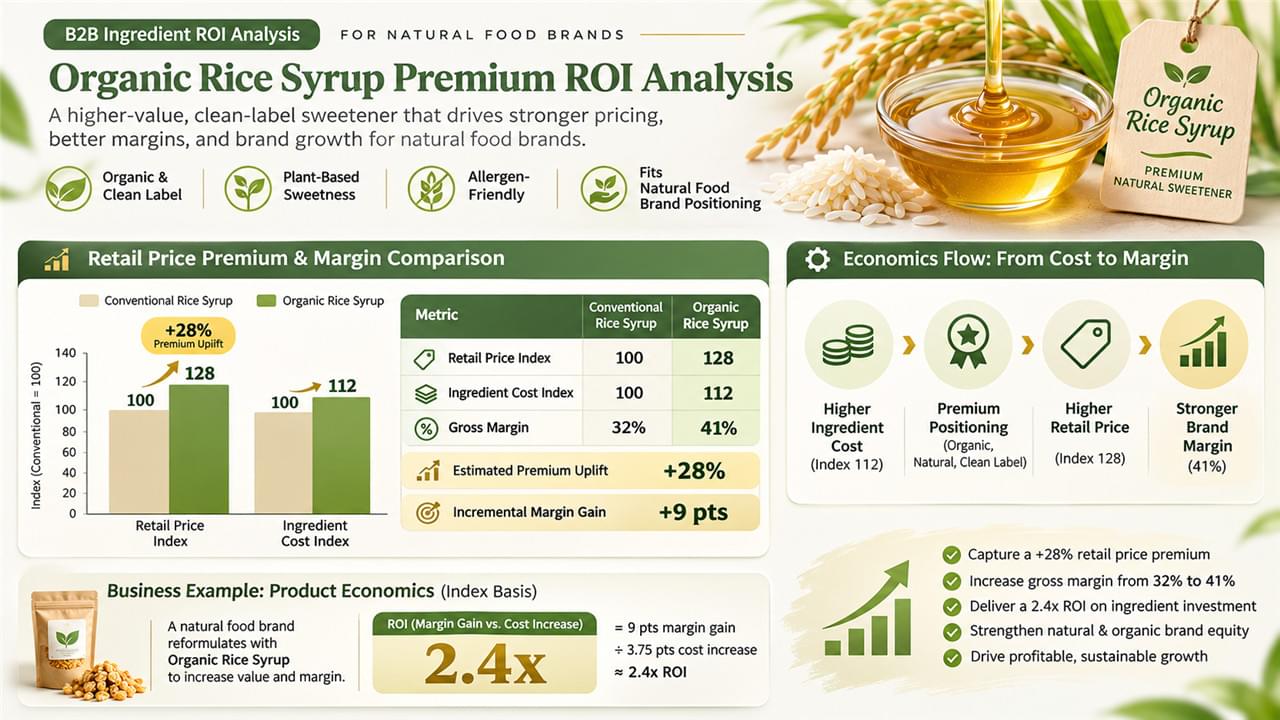
| Organic certified | +20–40% |
| Water-white (ICUMSA < 30) | +8–15% |
| Low-arsenic certified | +5–10% |
| Custom DE specification | +3–8% |
| Drum vs. IBC packaging | +5–10% |
Two observations worth internalizing: organic commands the steepest premium because certification cost is genuinely high (as covered in our organic economics article), and even the packaging format itself moves price by 5–10%. There are no free details in rice syrup pricing structures. 🔍
Payment terms deserve a line in the model too. Established buyers typically negotiate Net 30–60 as part of their supply agreement rice syrup terms — and while payment terms don’t change the unit price, they change your working capital position, which for a growing brand can be worth as much as another discount tier.
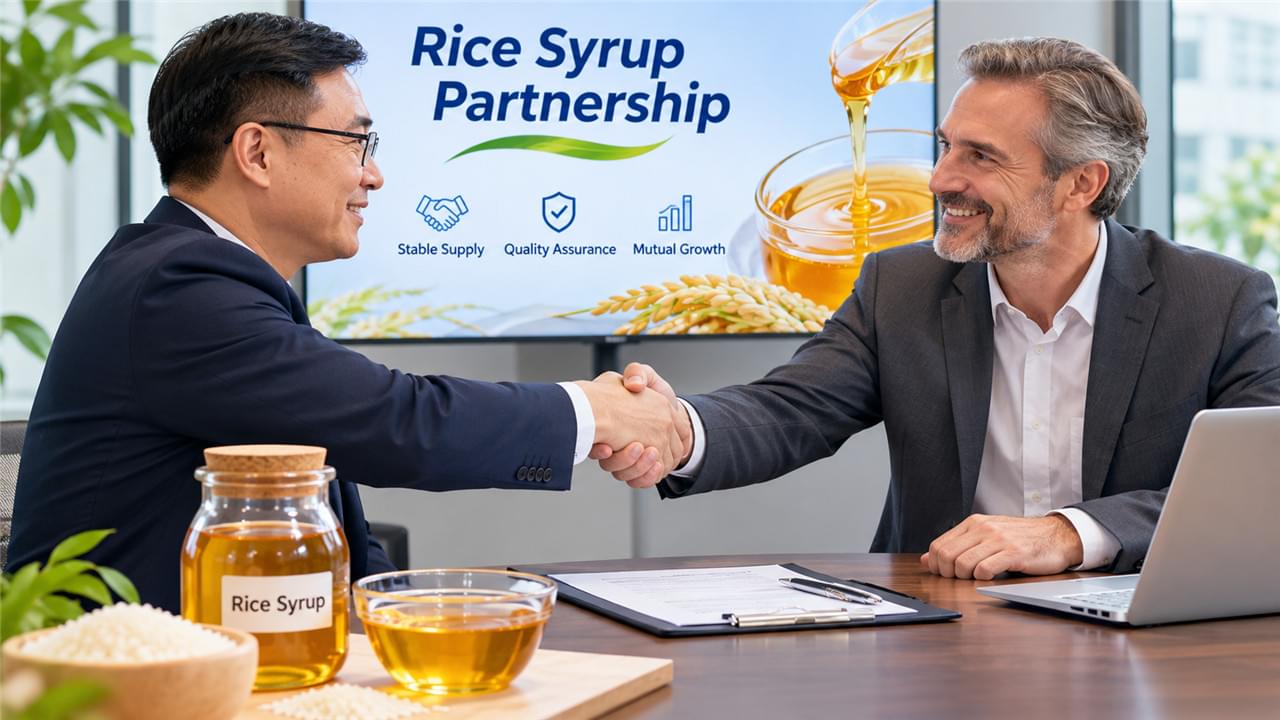
Negotiation: Where the Structure Meets Your Leverage
Rice Syrup Pricing Structures Respond to Negotiation Leverage
Five tactics consistently move numbers in rice syrup contract negotiation: 💪
- Consolidate volumes: multiple facilities purchasing independently should consolidate to unlock higher volume tiers
- Commit multi-year on specialty grades: organic and low-arsenic grades reward multi-year commitments with preferential pricing
- Offer delivery timing flexibility: buyers who accept delivery in supplier-preferred windows often receive pricing concessions
- Benchmark with transparency: sharing competitive benchmarks with your preferred supplier motivates genuinely competitive pricing — negotiation research from Harvard’s Program on Negotiation consistently shows interest-based framing beats hardball tactics
- Launch joint cost reduction projects: engaging suppliers in supply chain optimization creates savings both sides share, rather than a margin one side squeezes from the other
Conclusion: Pick the Structure That Matches Your Risk Profile
Rice syrup pricing structures offer buyers genuine flexibility to optimize for price, security, and total value — the right answer depends on your volume, application, and how much volatility your P&L can absorb. Spot for trials, annual frameworks for steady demand, multi-year contracts for specialty grades, index-linked pricing when both sides value transparency.
Wuhu Deli Foods welcomes transparent pricing discussions and works collaboratively with customers to design supply agreements around real requirements. 📋 Contact us to structure your next contract.
 English
 Deutsch
 Español
 العربية
 Français
 Русский
 Bahasa Indonesia
 한국어
 日本語
 Polski
 Português
 Bahasa Melayu