
Die Verwendung von Reissirup nimmt in der globalen Lebensmittelindustrie rasant zu, da Marken nach umweltfreundlichen, funktionalen und verbraucherfreundlichen Süßungsmitteln suchen. Von Backwaren bis hin zu Sportgetränken setzen Hersteller auf Reissirup wegen seiner ausgewogenen Süße, seiner Fähigkeit, Feuchtigkeit zu speichern, und seiner hervorragenden Verarbeitungsstabilität.
Bei Wuhu Deli Foods, Reissiruplösungen werden speziell für die Bedürfnisse der modernen Lebensmittelproduktion entwickelt und helfen Herstellern, Textur, Haltbarkeit und Rezepturflexibilität zu verbessern, ohne dabei Geschmack oder Attraktivität des Etiketts zu beeinträchtigen.
🌟 Warum Reissirup in der Lebensmittelherstellung immer häufiger eingesetzt wird
Moderne Verbraucher bevorzugen zunehmend erkennbare und natürliche Zutaten. Diese Entwicklung hat Hersteller dazu veranlasst, traditionelle Süßungsmittel zu überdenken und nach umweltfreundlicheren Alternativen zu suchen.
Reissirup zeichnet sich durch seine vielfältigen Einsatzmöglichkeiten aus, die weit über die reine Süße hinausgehen. Er trägt außerdem zu Viskosität, Bindevermögen, Feuchtigkeitsregulierung und Fermentationsunterstützung in verschiedenen Produktkategorien bei.
Wichtigste funktionelle Vorteile der Anwendung von Reissirup
✅ Milde und neutrale Süße
Reissirup liefert typischerweise etwa 40–50% der Süße von Saccharose und ermöglicht so eine bessere Süßekontrolle in Rezepturen.
✅ Ausgezeichnete Bindefähigkeit
Es trägt dazu bei, dass die Inhaltsstoffe auf natürliche Weise haften, wodurch die Abhängigkeit von künstlichen Bindemitteln verringert wird.
✅ Feuchtigkeitsspeicherung
Reissirup verlangsamt das Austrocknen von Produkten und verbessert die Frische von Backwaren und Müsliriegeln.
✅ Antikristallisationsleistung
Es minimiert die Zuckerreifung und Kristallbildung bei Süßwarenanwendungen.
✅ Clean-Label-Positionierung
Reissirup ist allgemein als gentechnikfreie und allergenarme Zutat anerkannt.
✅ Unterstützung der Fermentation
Seine fermentierbaren Zucker unterstützen die Hefetätigkeit in Brot und fermentierten Getränken.
Für Hersteller, die umfassendere Strategien für Clean-Label-Inhaltsstoffe verfolgen, Leitfaden für Bäckereianwendungen liefert zusätzliche Erkenntnisse zur Formulierung.
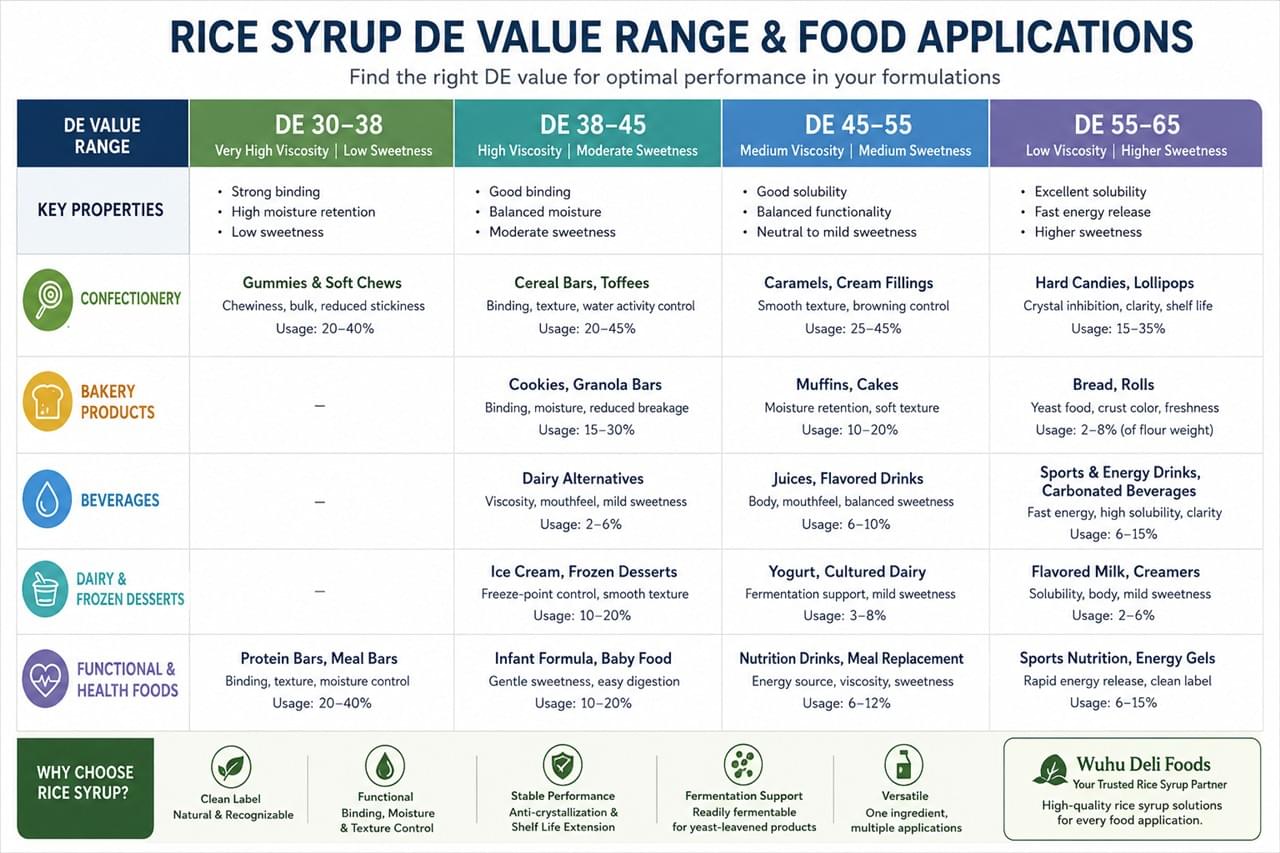
🏭 Reissirup-Anwendungen nach DE-Wert
Für verschiedene Anwendungsbereiche von Reissirup sind unterschiedliche DE-Werte (Dextrose-Äquivalent) erforderlich. Der DE-Wert beeinflusst direkt Süße, Viskosität und Verarbeitungsverhalten.
| DE-Wert | Viskosität | Süße | Hauptanwendungen |
| DE 30–38 | Sehr hoch | Niedrig | Gummibärchen, Kautabletten, Bindemittel |
| DE 38–45 | Hoch | Mäßig | Backwaren, Müsli, Snackriegel |
| DE 45–55 | Medium | Medium | Milchprodukte, Getränke, Soßen |
| DE 55–65 | Untere | Höher | Fermentierte Getränke, Überzüge |
Das Verständnis der DE-Auswahl hilft Herstellern, Textur und Haltbarkeit zu optimieren und gleichzeitig die Produktionskonsistenz zu gewährleisten.
🍬 Anwendungen von Reissirup in der Süßwarenindustrie
🍭 Harte Bonbons und Lutscher
Die Anwendung von Reissirup in der Hartbonbonherstellung konzentriert sich hauptsächlich auf die Kontrolle der Kristallisation und die Verbesserung der Haltbarkeit.
- Empfohlene DE: 42–50
- Nutzungsstufe: 15–35%
- Hauptvorteil: Klares Erscheinungsbild und glattere Oberfläche
Seine stabile Struktur trägt dazu bei, dass die Bonbons ihre Transparenz behalten und gleichzeitig eine unerwünschte Körnigkeit reduziert wird.
🍡 Fruchtgummis und Weichkaubonbons
Reissirup mit niedrigerem DE-Wert sorgt für eine ausgezeichnete Kaubarkeit und reduziert gleichzeitig die übermäßige Klebrigkeit im Vergleich zu herkömmlichem Maissirup.
- Empfohlene DE: 30–40
- Nutzungsstufe: 20–40%
- Hauptvorteil: Verbessertes Mundgefühl und ausgewogene Textur
Dadurch wird Reissirup in der Lebensmittelherstellung besonders attraktiv für funktionelle Gummibärchen und Nahrungsergänzungsmittel.
🥣 Müsliriegel und Energieriegel
Reissirup dient sowohl als Süßungsmittel als auch als Strukturbinder.
- Empfohlene DE: 38–45
- Nutzungsstufe: 20–45%
- Hauptvorteil: Feste, aber dennoch zähe Konsistenz
Auch die Hersteller profitieren von klareren Inhaltsstoffangaben, da diese eine bessere Positionierung im Einzelhandel ermöglichen.
🍮 Karamell und Toffees
Reissirup hilft, Bräunungsreaktionen zu kontrollieren und gleichzeitig eine gleichmäßige Textur zu erhalten.
- Empfohlene DE: 42–48
- Nutzungsstufe: 30–50%
- Hauptvorteil: Weniger Körnung und gleichmäßige Karamellfarbe
Für weitere Unterstützung bei der Rezepturentwicklung können Hersteller auf die Ressourcen für Inhaltsstoffe von folgenden Anbietern zurückgreifen: IFT – Institut für Lebensmitteltechnologen.
🥖 Anwendung von Reissirup in Backwaren
🍞 Brot und Brötchen
Die Verwendung von Reissirup bei der Brotherstellung verbessert die Gärung und die Krustenbildung.
- Empfohlene DE: 40–50
- Einsatzmenge: 2–81 TP3T Mehlgewicht
- Hauptvorteil: Bessere Ofentriebkraft und längere Frische
Der Sirup verstärkt zudem auf natürliche Weise die goldene Krustenfärbung.
🍪 Kekse und Plätzchen
Reissirup trägt zur Süße bei, reguliert die Feuchtigkeit und unterstützt die Bräunung.
- Empfohlene DE: 42–50
- Nutzungsstufe: 10–25%
- Hauptvorteil: Weniger Bruch und verbesserte Knusprigkeit
Als Clean-Label-Süßungsmittel für Backwaren unterstützt Reissirup eine Premium-Positionierung ohne übermäßig süße Geschmacksprofile.
🥣 Müsli und Frühstücksflocken
Die Hersteller setzen auf Reissirup, um Getreideflocken effektiv zu binden.
- Empfohlene DE: 40–48
- Nutzungsstufe: 15–30%
- Hauptvorteil: Stabile Cluster und glänzendes Aussehen
🧁 Muffins und Kuchen
Reissirup verbessert die Weichheit und reduziert das Altbackenwerden während der Lagerung.
- Empfohlene DE: 42–52
- Nutzungsstufe: 10–20%
- Hauptvorteil: Saftige Krume und längere Haltbarkeit
Sie können auch eine Rezension schreiben. FDA-Leitfaden zur Lebensmittelkennzeichnung zur Einhaltung der Zutatendeklarationsvorschriften auf Exportmärkten.
🥤 Anwendung von Reissirup in Getränkerezepturen
⚡ Sport- und Energy-Drinks
Bio-Reissirup für Getränke erfreut sich zunehmender Beliebtheit in Sportnahrungsprodukten.
- Empfohlene DE: 55–65
- Nutzungsstufe: 6–15%
- Hauptvorteil: Schnell freigesetzte Kohlenhydratenergie
Sein neutraler Geschmack harmoniert gut mit Frucht- und Pflanzenaromen.
🥛 Pflanzliche Milchalternativen
Reissirup verbessert das Mundgefühl und die Süße in Milchalternativen.
- Empfohlene DE: 45–55
- Nutzungsstufe: 2–6%
- Hauptvorteil: Cremigere Konsistenz und ausgewogene Süße
🥤 Kohlensäurehaltige Getränke
Hoch-DE-Reissirup löst sich schnell auf und behält seine ausgezeichnete Klarheit.
- Empfohlene DE: 55–65
- Einsatzstufe: 8–12% Feststoffe
- Hauptvorteil: Keine Fehlgeschmäcker oder sichtbare Kristallisation
Für Getränkehersteller Leitfaden für Getränkeanwendungen bietet zusätzlichen technischen Support.
🍦 Anwendungsmöglichkeiten von Reissirup in Milchprodukten und gefrorenen Desserts
🍨 Eiscreme und gefrorene Desserts
Reissirup verringert das Wachstum von Eiskristallen und verbessert die Portionierbarkeit.
- Empfohlene DE: 42–50
- Nutzungsstufe: 10–20%
- Hauptvorteil: Glattere Textur und reinere Geschmacksentfaltung
🥛 Joghurt und fermentierte Milchprodukte
Seine fermentierbaren Zucker tragen zur Stabilisierung der Gärungsaktivität bei.
- Empfohlene DE: 45–55
- Nutzungsstufe: 3–8%
- Hauptvorteil: Ausgewogene Säure und gleichmäßige Textur
💪 Anwendungsmöglichkeiten von Reissirup in funktionellen Lebensmitteln
👶 Säuglingsnahrung und Babynahrung
Hochwertiger geklärter Reissirup wird wegen seiner milden Süße und seiner guten Verdaulichkeit geschätzt.
- Empfohlene DE: 40–48
- Erforderliche Qualitätsstufe: Bio und proteinarm
- Hauptvorteil: Milder Geschmack und allergenfreundliche Positionierung
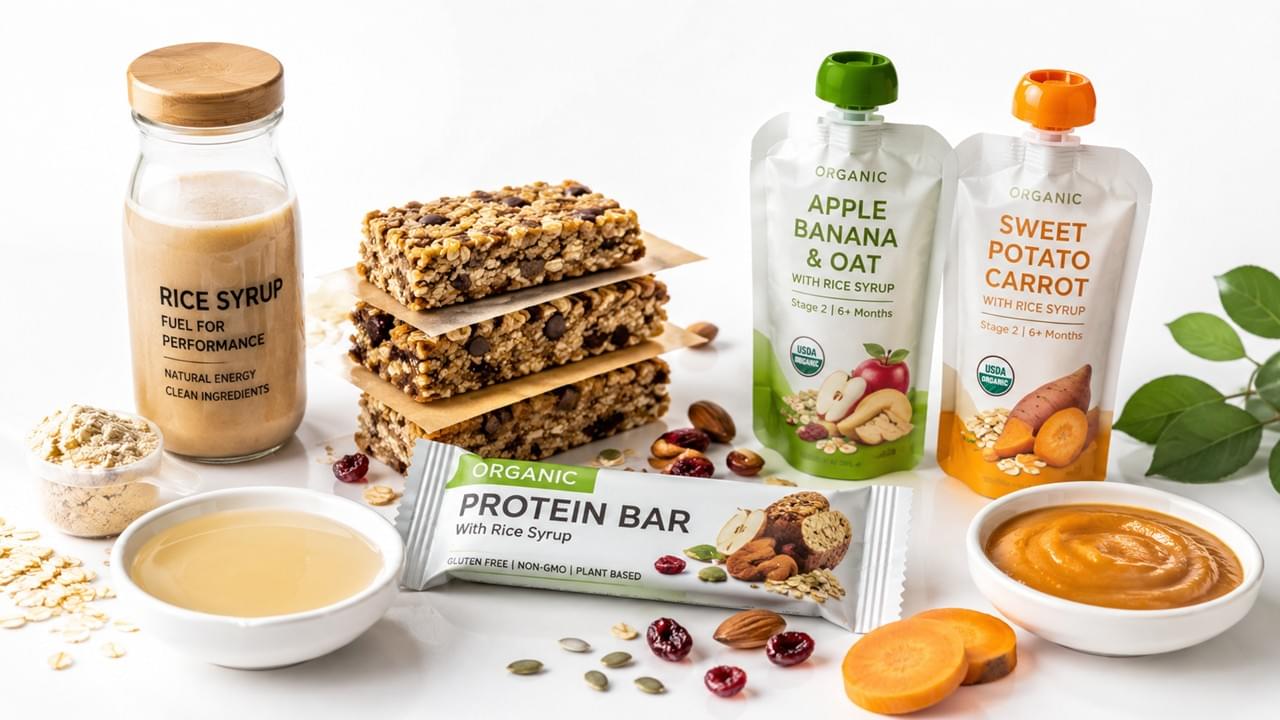
🏋️ Sporternährung und Proteinriegel
Reissirup trägt dazu bei, dass Proteinriegel weich bleiben und verbessert gleichzeitig den Zusammenhalt der Zutaten.
- Empfohlene DE: 38–46
- Nutzungsstufe: 20–40%
- Hauptvorteil: Bessere Texturstabilität und weicheres Bissgefühl
Diese Anwendungen von Reissirup sind besonders wichtig bei proteinreichen Rezepturen, bei denen eine Verschlechterung der Textur häufig vorkommt.
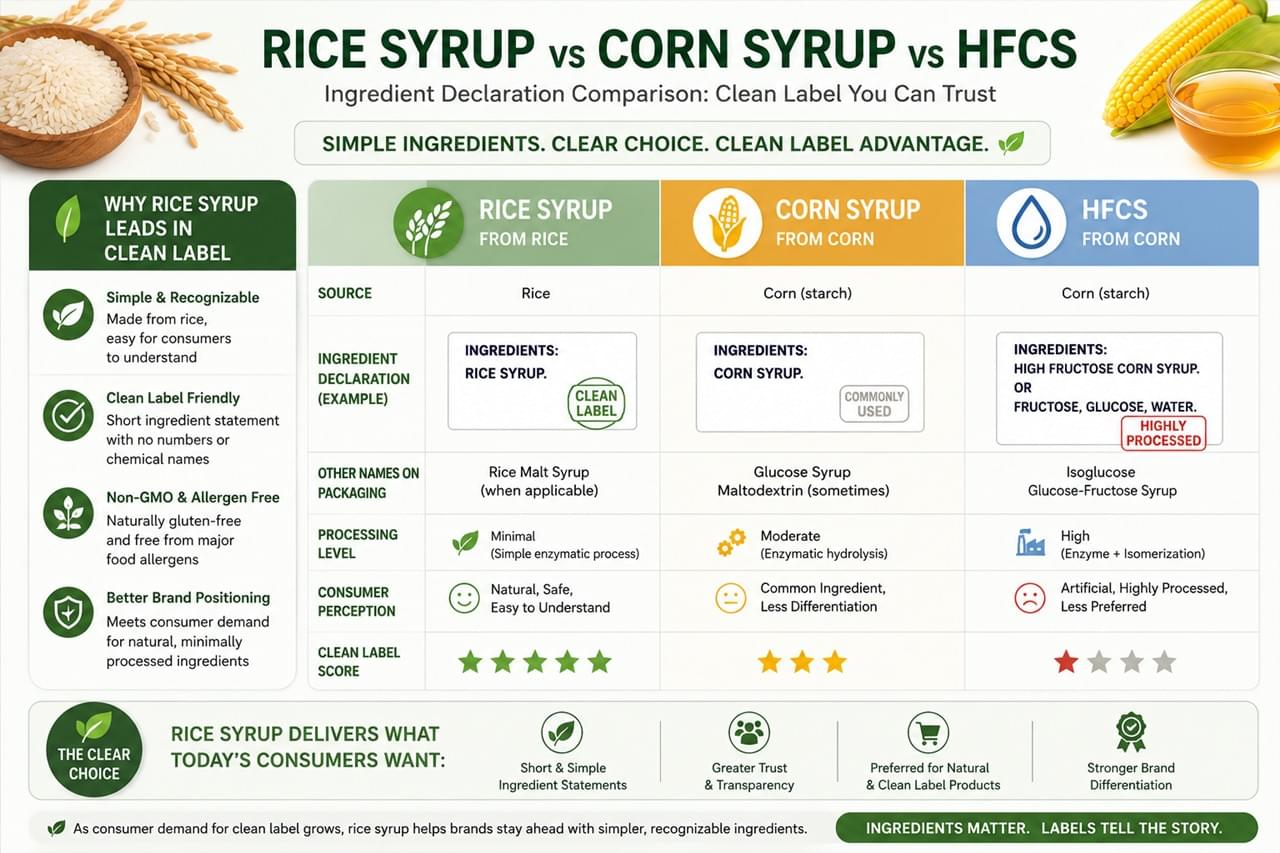
🌱 Bio-Reissirup-Lösungen für Premiummarken
Wuhu Deli Foods Bio-Reissirup wurde für hochwertige Clean-Label-Anwendungen entwickelt.
Wichtigste Spezifikationen
- USDA-Bio-konform
- Nicht-GVO-Rezeptur
- Typischer DE: 42 ± 1
- Farbe: ≤ 20 ICUMSA-Einheiten
Häufige Anwendungsgebiete
✅ Bio-Müsli
✅ Hochwertige Babynahrung
✅ Gesundheits- und Proteinriegel
✅ Funktionelle Getränke
Dadurch eignet es sich ideal für Marken, die Wert auf Transparenz und natürliche Positionierung legen.
📋 Kurzanleitung für die Anwendung von Reissirup
| Anwendung | Empfohlene DE | Hauptfunktion |
| Müsliriegel | 40–45 | Bindungsstärke |
| Hartkaramellen | 42–50 | Kristallprävention |
| Gummibärchen | 30–38 | Texturkontrolle |
| Brot | 40–50 | Unterstützung der Fermentation |
| Getränke | 55–65 | Löslichkeit und Klarheit |
| Eiscreme | 42–50 | Gefrierpunktkontrolle |
| Babynahrung | 40–48 | Milde Süße |
| Sportgetränke | 55–65 | Schnelle Energiebereitstellung |
🔧 Formulierungstipps für Hersteller
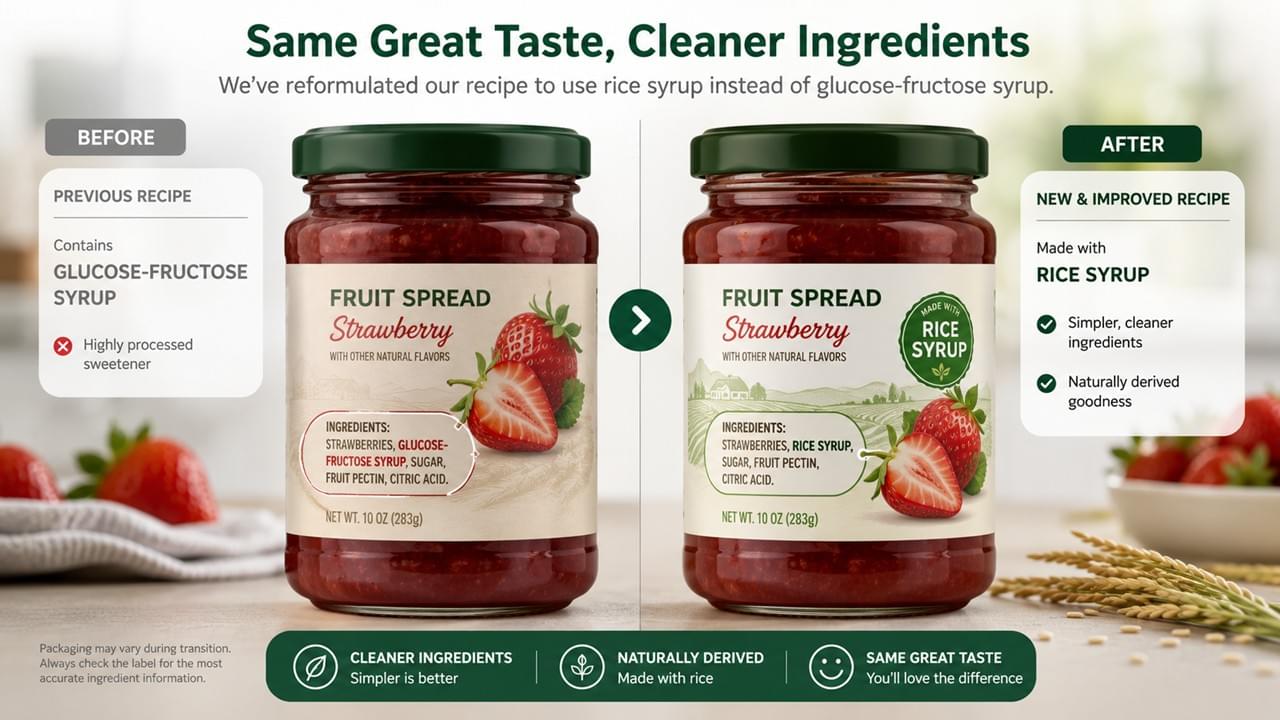
⚙️ Maissirup ersetzen
In den meisten Anwendungsfällen kann Reissirup typischerweise im Gewichtsverhältnis 1:1 durch Maissirup ersetzt werden.
🌡️ Wasseraktivitätenmanagement
Überwachen Sie nach dem Austausch sorgfältig den Brix-Wert und die Wasseraktivität, um die Produktstabilität zu gewährleisten.
🔥 Bräunungskontrolle
Sirupe mit höherem DE-Gehalt können bei der thermischen Verarbeitung die Maillard-Bräunung verstärken.
🧪 Anpassungen der Verarbeitung
Sirupe mit niedrigerem DE-Wert sind dickflüssiger und erfordern möglicherweise höhere Verarbeitungstemperaturen.
🏷️ Leitfaden zur Kennzeichnung
Reissirup kann üblicherweise wie folgt deklariert werden:
- “Reissirup”
- “Reismalzsirup”
Dies unterstützt klarere und besser erkennbare Verpackungsaussagen.
Die Einsatzmöglichkeiten von Reissirup nehmen stetig zu, da Lebensmittelhersteller nach vielseitigen Süßungsmitteln suchen, die den Clean-Label-Trends und modernen Verarbeitungsanforderungen entsprechen. Ob in Süßwaren, Backwaren, Getränken oder funktionellen Ernährungsprodukten – Reissirup bietet zuverlässige Funktionalität und überzeugt gleichzeitig durch seine Verbraucherfreundlichkeit.
Hersteller, die nach maßgeschneiderten Siruplösungen suchen, können das gesamte Produktportfolio unter folgender Adresse erkunden:

 English
 Deutsch
 Español
 العربية
 Français
 Русский
 Bahasa Indonesia
 한국어
한국어 日本語
日本語 Polski
 Português
 Bahasa Melayu