
Seiring industri pangan global terus berkembang, Standar Kualitas Sirup Beras telah menjadi faktor penting bagi produsen, distributor, dan pembeli internasional. Baik Anda mencari sirup beras untuk minuman, kembang gula, nutrisi bayi, atau makanan olahan, memenuhi persyaratan peraturan tidak lagi opsional—ini penting untuk akses pasar, kepercayaan konsumen, dan kesuksesan bisnis jangka panjang.
🌍 Setiap pasar tujuan menerapkan kerangka hukumnya sendiri untuk keamanan pangan, pelabelan, batas kontaminan, dan praktik produksi. Pada saat yang sama, sertifikasi yang diakui secara internasional memberikan jaminan tambahan bahwa pemasok mempertahankan manajemen mutu dan kontrol manufaktur yang konsisten.
Panduan ini menjelaskan standar kualitas utama yang mengatur sirup beras di seluruh dunia, termasuk peraturan di Amerika Serikat, Uni Eropa, Tiongkok, dan Jepang. Anda juga akan mempelajari sertifikasi apa yang umum diminta oleh pembeli, dokumentasi yang diperlukan untuk perdagangan internasional, dan rekomendasi praktis untuk mengevaluasi pemasok dengan percaya diri.
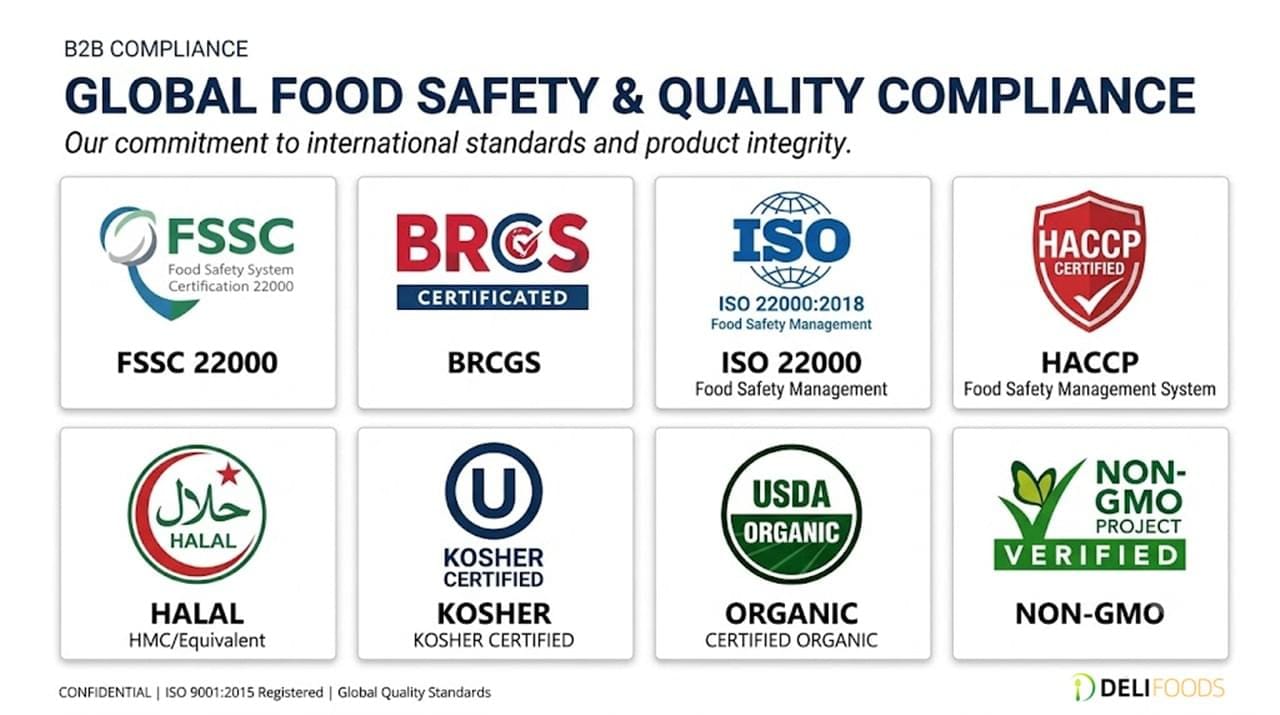
🌍 Memahami Kerangka Kerja Global untuk Standar Kualitas Sirup Beras
Meskipun peraturan pangan berbeda dari satu negara ke negara lain, sebagian besar otoritas memiliki tujuan yang sama: melindungi konsumen dengan memastikan bahan pangan aman, diberi label secara akurat, dan diproduksi secara konsisten.
Bagi pemasok sirup beras, kepatuhan biasanya melampaui satu peraturan. Perusahaan harus menunjukkan kesesuaian dengan berbagai lapisan persyaratan, termasuk:
- ✅ Prinsip keamanan pangan internasional
- ✅ Hukum pangan nasional
- ✅ Sertifikasi manufaktur
- ✅ Standar pengujian produk
- ✅ Spesifikasi kualitas khusus pelanggan
Memahami bagaimana kerangka kerja ini bekerja sama membantu bisnis mengurangi risiko peraturan sambil meningkatkan keandalan rantai pasokan.
🌎 Codex Alimentarius: Tolok Ukur Internasional
Salah satu referensi yang paling dikenal luas untuk keamanan pangan global adalah Kodeks Alimentarius, yang didirikan bersama oleh Organisasi Pangan dan Pertanian (FAO) dan Organisasi Kesehatan Dunia (WHO). Standar Codex tidak mengikat secara hukum, tetapi sangat memengaruhi peraturan pangan dan kebijakan perdagangan internasional di seluruh dunia.
Bagi produsen sirup beras, beberapa dokumen Codex memberikan panduan berharga.
✅ Standar Codex yang Relevan dengan Sirup Beras
- Codex STAN 212-1999 — Mencakup sirup glukosa dan pemanis turunan pati.
- Codex STAN 1-1985 — Mendefinisikan persyaratan pelabelan umum untuk makanan pra-kemas.
- CAC/RCP 1-1969 — Menetapkan Praktik Kebersihan yang Baik dan prinsip HACCP yang diterima secara internasional.
Banyak otoritas nasional menggunakan dokumen-dokumen ini sebagai referensi saat mengembangkan peraturan pangan mereka sendiri, menjadikan kepatuhan Codex sebagai pertimbangan penting bagi eksportir.
💡 Anda dapat menjelajahi basis data Codex lengkap di sini:
https://www.fao.org/fao-who-codexalimentarius/
🏭 Sistem Manajemen Keamanan Pangan ISO
Sementara peraturan pemerintah mendefinisikan persyaratan hukum, standar sertifikasi membantu produsen menunjukkan bahwa persyaratan tersebut diterapkan secara konsisten.
Di antara sistem yang paling dikenal adalah ISO 22000:2018, yang mengintegrasikan manajemen keamanan pangan dengan Analisis Bahaya dan Titik Kendali Kritis (HACCP). Alih-alih hanya berfokus pada pengujian produk, ISO 22000 menekankan manajemen risiko preventif di seluruh produksi.
Manfaat utama meliputi:
- ✔ Ketertelusuran yang lebih baik di seluruh manufaktur
- ✔ Prosedur penilaian risiko yang ditingkatkan
- ✔ Manajemen pemasok yang lebih kuat
- ✔ Peningkatan kualitas berkelanjutan
- ✔ Kepercayaan yang lebih besar bagi pelanggan internasional
Bagi pembeli yang mengevaluasi beberapa pemasok, sertifikasi ISO sering kali berfungsi sebagai indikator penting kematangan operasional dan konsistensi kualitas.
🏆 Mengapa FSSC 22000 Penting
Banyak perusahaan pangan multinasional mewajibkan pemasok untuk memegang sertifikasi FSSC 22000 karena memperluas ISO 22000 dengan kontrol keamanan pangan tambahan yang diakui oleh Global Food Safety Initiative (GFSI).
Dibandingkan dengan sertifikasi manajemen standar, FSSC 22000 menawarkan jaminan yang lebih besar bahwa fasilitas produksi mempertahankan praktik keamanan pangan yang diterima secara internasional.
Manfaatnya meliputi:
- 🌍 Pengakuan di pasar internasional utama
- 🏭 Penerimaan yang kuat di antara merek pangan global
- 📋 Sistem manajemen risiko yang ditingkatkan
- 🔍 Audit pihak ketiga independen
- 🤝 Peningkatan kepercayaan selama kualifikasi pemasok
Bagi bisnis yang mengekspor sirup beras ke berbagai negara, FSSC 22000 dapat secara signifikan menyederhanakan proses persetujuan pelanggan.
🇺🇸 Standar Kualitas Sirup Beras di Amerika Serikat
Amerika Serikat tetap menjadi salah satu pasar bahan pangan terbesar di dunia, dengan pengawasan peraturan yang terutama disediakan oleh U.S. Food and Drug Administration (FDA).
Perusahaan yang mengekspor sirup beras ke AS harus memahami tidak hanya persyaratan keamanan bahan tetapi juga pendaftaran fasilitas, kontrol preventif, dan kewajiban pelabelan.
✅ Status GRAS dan Keamanan Pangan
Sirup beras yang diproduksi melalui hidrolisis enzimatik pati beras umumnya dianggap Generally Recognized As Safe (GRAS) ketika diproduksi menggunakan metode pengolahan pangan yang diterima.
Namun, status GRAS tidak menghilangkan tanggung jawab peraturan. Produsen masih diharapkan untuk menerapkan sistem keamanan pangan preventif di bawah Food Safety Modernization Act (FSMA) dan memelihara catatan produksi yang komprehensif.
Fasilitas yang mengekspor bahan pangan ke Amerika Serikat juga harus mendaftar ke FDA sebelum mengirimkan produk.
Informasi lebih lanjut tersedia dari situs web resmi FDA:
https://www.fda.gov/
🏷️ Persyaratan Pelabelan FDA
Pelabelan yang tepat sangat penting untuk kepatuhan peraturan dan kelancaran izin pabean.
Berdasarkan aturan pelabelan FDA, sirup beras harus:
- ✅ Dinyatakan menggunakan nama umum atau biasa, seperti “Sirup Beras” atau “Sirup Beras Cokelat.”
- ✅ Muncul dalam daftar bahan sesuai berat.
- ✅ Memenuhi persyaratan pelabelan nutrisi yang berlaku.
- ✅ Mendukung klaim organik apa pun dengan sertifikasi USDA Organic yang sah.
Pelabelan yang akurat tidak hanya memenuhi kewajiban hukum tetapi juga membantu pembeli memverifikasi keaslian produk dan menjaga rantai pasokan yang transparan.
⚠️ Pemantauan Logam Berat
Karena beras secara alami menyerap mineral dari tanah dan air, pembeli internasional semakin memperhatikan pengujian logam berat.
Produsen yang bertanggung jawab secara rutin memantau:
- Arsenik
- Memimpin
- Kadmium
- Air raksa
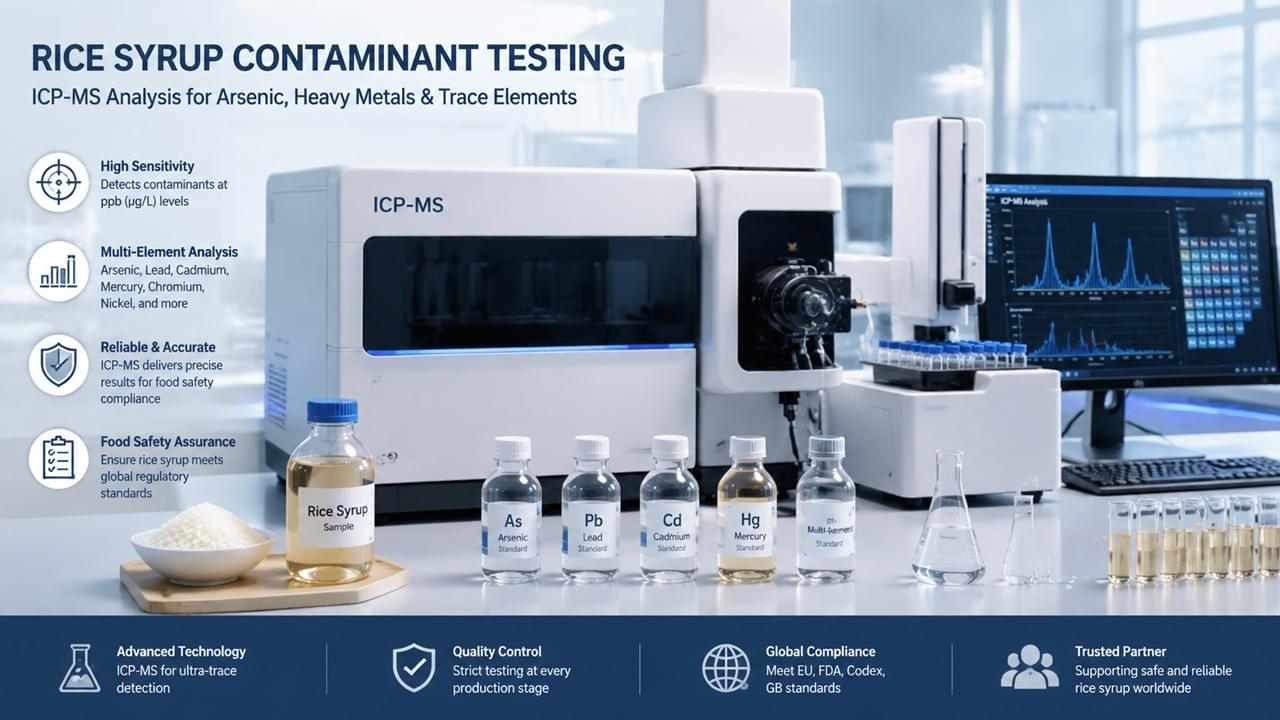
Metode analisis lanjutan seperti ICP-MS (Spektrometri Massa Plasma Berpasangan Induktif) memberikan deteksi kontaminan renik yang sangat akurat, memungkinkan produsen untuk memverifikasi kepatuhan terhadap batas pasar tujuan sebelum pengiriman.
Untuk produk yang ditujukan untuk nutrisi bayi atau aplikasi sensitif lainnya, frekuensi pengujian seringkali lebih tinggi, dengan banyak pembeli meminta laporan analitis spesifik bets daripada ringkasan tahunan.
🇪🇺 Standar Kualitas Sirup Beras di Uni Eropa
Uni Eropa mempertahankan salah satu sistem keamanan pangan terlengkap di dunia. Bisnis yang mengekspor sirup beras ke negara-negara anggota UE harus mematuhi peraturan yang mencakup keamanan bahan, batas kontaminan, ketertelusuran, pelabelan, dan praktik produksi.
Berbeda dengan beberapa pasar yang berfokus terutama pada pengujian produk jadi, UE menekankan manajemen keamanan pangan preventif di seluruh rantai pasokan. Akibatnya, produsen harus siap memberikan dokumentasi teknis terperinci bersama dengan laporan laboratorium.
🏷️ Persyaratan Pelabelan UE
Pelabelan yang jelas dan akurat sangat penting untuk memasuki pasar Eropa.
Tergantung pada formulasi produk, sirup beras dapat dinyatakan sebagai:
- ✅ Sirup Beras
- ✅ Sirup Glukosa (dari Beras)
Ketika sirup diproduksi secara eksklusif dari beras, umumnya tidak dianggap sebagai salah satu alergen yang tercantum di bawah Peraturan UE (UE) No. 1169/2011, membuatnya cocok untuk banyak formulasi yang sadar alergen. Namun, produsen harus selalu memverifikasi persyaratan pelabelan berdasarkan produk akhir dan negara tujuan.
Untuk produk organik, pemasok juga harus mematuhi Peraturan (UE) 2018/848, yang mengatur produksi dan sertifikasi organik di seluruh Uni Eropa.
⚠️ Batas Kontaminan dan Keamanan Produk
Otoritas Eropa menerapkan batas ketat untuk kontaminan yang umum dipantau dalam bahan turunan sereal.
Program kontrol kualitas tipikal meliputi pengujian untuk:
- Memimpin
- Kadmium
- Air raksa
- Arsenik
- Mikotoksin seperti Ochratoxin A
Produsen yang memasok makanan bayi atau produk yang ditujukan untuk kelompok konsumen rentan biasanya diharapkan untuk memenuhi persyaratan kemurnian yang lebih ketat dan mempertahankan kontrol produksi yang ditingkatkan.
Pengujian laboratorium pihak ketiga secara teratur membantu menunjukkan kepatuhan sambil memperkuat kepercayaan pembeli selama kualifikasi pemasok.
🇨🇳 Standar GB Tiongkok untuk Sirup Beras
Sistem keamanan pangan nasional Tiongkok dibangun di sekitar standar GB (Guobiao) , yang menetapkan persyaratan wajib untuk produksi pangan, pemrosesan, pelabelan, dan pengendalian kontaminan.
Bagi produsen sirup beras yang beroperasi di atau mengekspor dari Tiongkok, kepatuhan terhadap standar GB yang berlaku adalah persyaratan mendasar untuk produksi legal dan perdagangan internasional.
📋 Standar GB Utama
Beberapa standar nasional sangat relevan dengan produksi sirup beras.
✅ GB 2760 — Aditif Pangan dan Bahan Pembantu Pengolahan
Standar ini menentukan alat pemrosesan apa yang dapat digunakan selama manufaktur, termasuk enzim food-grade, karbon aktif, dan resin penukar ion.
Penggunaan bahan pemrosesan yang disetujui membantu memastikan keamanan produk dan kepatuhan terhadap peraturan.
✅ GB 2762 — Batas Kontaminan
GB 2762 menetapkan tingkat maksimum yang diizinkan untuk kontaminan seperti:
- Logam berat
- Arsenik
- Memimpin
- Air raksa
- Kadmium
Pemantauan rutin memastikan produk tetap dalam batas legal sebelum memasuki pasar domestik atau ekspor.
✅ GB 7718 — Pelabelan Pangan
Sirup beras yang dijual di Tiongkok harus mengikuti persyaratan pelabelan Tiongkok, termasuk nama produk standar, deklarasi bahan, informasi produksi, dan elemen pelabelan wajib lainnya.
Pelabelan yang akurat tidak hanya mendukung kepatuhan tetapi juga meningkatkan ketertelusuran produk di seluruh rantai pasokan.
🇯🇵 Persyaratan Sanitasi Pangan Jepang
Jepang diakui karena mempertahankan ekspektasi keamanan pangan yang sangat tinggi. Importir sering melakukan evaluasi pemasok terperinci sebelum menyetujui bahan baru.
Untuk sirup beras, produsen harus memperhatikan:
- ✅ Pengujian logam berat
- ✅ Kontrol kebersihan pangan
- ✅ Ketertelusuran produk
- ✅ Pelabelan Jepang yang tepat
- ✅ Dokumentasi kualitas yang konsisten
Meskipun standar Pertanian Jepang (JAS) sertifikasi bersifat sukarela untuk banyak produk, memperoleh sertifikasi yang diakui dapat memperkuat daya saing pasar dan menunjukkan komitmen terhadap kualitas.
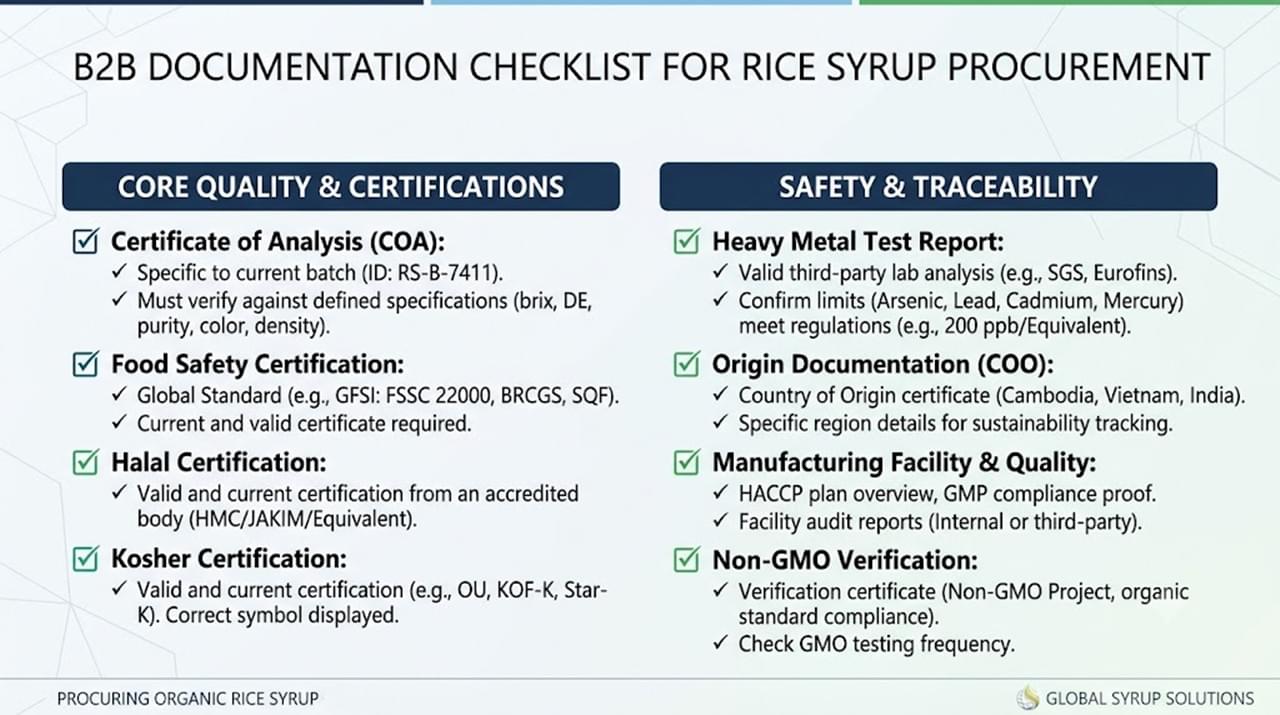
🏅 Sertifikasi Industri yang Paling Dihargai Pembeli
Di luar kepatuhan hukum, sertifikasi yang diakui secara internasional sering memainkan peran penting dalam pemilihan pemasok.
Produsen makanan besar dan merek global seringkali mengharuskan pemasok untuk mempertahankan sertifikasi yang memverifikasi sistem manajemen keamanan pangan yang kuat.
Sertifikasi yang umum diminta meliputi:
| Sertifikasi | Tujuan Utama | Pengakuan Pasar |
|---|---|---|
| FSSC 22000 | Manajemen Keamanan Pangan | Sangat Baik |
| ISO 22000 | Sistem Keamanan Pangan | Sangat Baik |
| BRCGS Pangan | Kepatuhan Manufaktur | Sangat Tinggi |
| SQF | Keamanan & Kualitas Pangan | Sangat Tinggi |
| IFS Pangan | Pasokan Ritel Eropa | Tinggi |
Memiliki satu atau lebih sertifikasi ini menunjukkan bahwa produsen mengikuti praktik yang diterima secara internasional, menjalani audit pihak ketiga secara teratur, dan mempertahankan program peningkatan berkelanjutan.
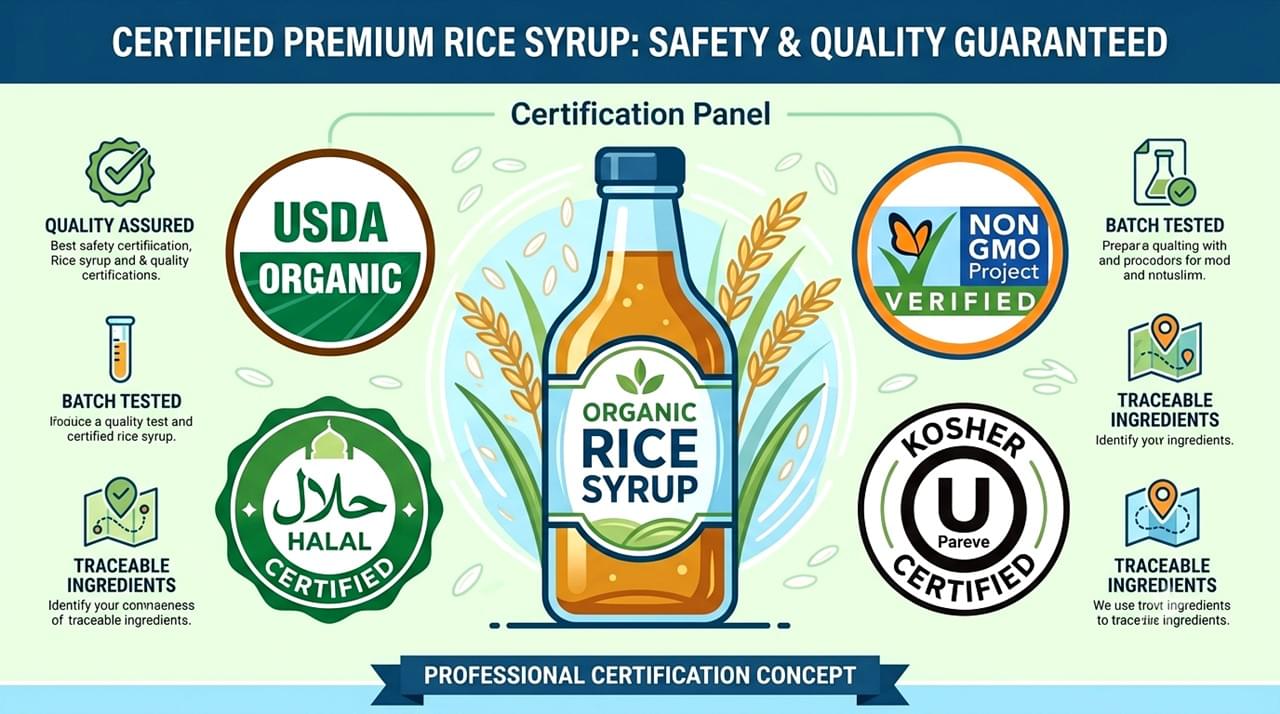
🌍 Sertifikasi Halal dan Kosher
Bagi perusahaan yang melayani pasar global, sertifikasi keagamaan dapat secara signifikan memperluas peluang bisnis.
☪️ Sertifikasi Halal
Sertifikasi Halal sering kali diperlukan saat mengekspor ke negara-negara mayoritas Muslim atau memasok produsen makanan yang menghasilkan produk bersertifikat Halal.
Sertifikasi mengonfirmasi bahwa bahan baku, metode pemrosesan, dan lingkungan manufaktur mematuhi persyaratan diet Islam.
✡️ Sertifikasi Kosher
Sertifikasi Kosher diakui secara luas di luar komunitas Yahudi dan sering diminta oleh perusahaan makanan multinasional karena mencerminkan verifikasi bahan yang ketat dan kontrol produksi.
Memelihara sertifikat Halal dan Kosher yang berlaku dapat membantu pemasok mengakses basis pelanggan internasional yang lebih luas sambil menyederhanakan persetujuan pengadaan.
📊 Kerangka Spesifikasi Kualitas yang Direkomendasikan
Meskipun persyaratan peraturan menetapkan standar hukum minimum, pembeli berpengalaman sering kali mengembangkan spesifikasi teknis mereka sendiri untuk memastikan kinerja produk yang konsisten.
Spesifikasi sirup beras yang komprehensif biasanya mencakup kategori berikut.
🔬 Sifat Fisik
- Penampilan: Bening hingga kuning muda
- Tidak ada materi asing yang terlihat
- Padatan terlarut (Brix): 78–82°
- Viskositas sesuai dengan nilai DE yang ditentukan
⚗️ Karakteristik Kimia
- Nilai DE terkontrol dalam toleransi yang disepakati
- pH antara 4,0 dan 5,5
- Nilai warna yang konsisten
- Kandungan protein dan abu rendah sesuai dengan grade produk
Parameter ini membantu menjaga stabilitas rasa manis, tekstur, dan kinerja pemrosesan di berbagai aplikasi makanan.
🛡️ Persyaratan Mikrobiologis dan Keamanan
Pengujian rutin harus mencakup:
- Total jumlah piring
- Ragi dan Jamur
- Salmonella
- Escherichia coli O157:H7
- Logam berat
Kontrol mikrobiologis yang konsisten membantu melindungi kualitas produk selama penyimpanan dan transportasi sambil mengurangi risiko keamanan pangan.
📄 Dokumentasi Penting untuk Pasokan B2B Internasional
Dokumentasi yang andal sama pentingnya dengan kualitas produk itu sendiri. Sebelum menyetujui pemasok, pembeli biasanya meminta paket kepatuhan yang lengkap yang memverifikasi kesesuaian peraturan dan standar manufaktur.
Dokumen-dokumen utama yang umum dibutuhkan meliputi:
- 📑 Sertifikat Analisis (COA) untuk setiap batch produksi
- 🏭 Sertifikat keamanan pangan ISO 22000 yang valid atau yang diakui GFSI
- ☪️ Sertifikat Halal (jika berlaku)
- ✡️ Sertifikat Kosher (jika berlaku)
- 🌱 Sertifikat Organik untuk tingkatan organik bersertifikat
- 🧪 Laporan pengujian logam berat
- 🌍 Sertifikat Asal dan dokumentasi ekspor
Menyediakan dokumen-dokumen ini secara tepat waktu membantu menyederhanakan pengadaan, bea cukai, dan audit pelanggan sambil memperkuat kepercayaan pada sistem manajemen mutu pemasok.
💡 Tips Ahli untuk Memilih Pemasok Sirup Beras yang Andal
Memenuhi persyaratan peraturan hanyalah salah satu aspek evaluasi pemasok. Pembeli yang berpengalaman juga mempertimbangkan keahlian teknis produsen, konsistensi produksi, dan keandalan jangka panjang.
Saat membandingkan calon pemasok, pertimbangkan pertanyaan-pertanyaan berikut:
- ✅ Apakah pemasok memiliki sertifikasi yang diakui secara internasional?
- ✅ Apakah laporan laboratorium tersedia untuk setiap batch produksi?
- ✅ Dapatkah pemasok mendukung persyaratan peraturan khusus negara?
- ✅ Apakah ada sistem ketertelusuran yang jelas dari bahan baku hingga produk jadi?
- ✅ Apakah pemasok memberikan dukungan teknis dan dokumentasi yang responsif?
Pemasok yang dapat menjawab pertanyaan-pertanyaan ini dengan percaya diri umumnya berada dalam posisi yang lebih baik untuk mendukung kemitraan bisnis yang stabil dan jangka panjang serta mengurangi risiko kepatuhan.
📌 Pemikiran Akhir
Menavigasi Standar Kualitas Sirup Beras membutuhkan lebih dari sekadar memenuhi persyaratan hukum minimum. Pemasok internasional yang sukses menggabungkan kepatuhan terhadap peraturan dengan sistem manajemen mutu yang kuat, dokumentasi yang transparan, dan verifikasi produk yang berkelanjutan.
Seiring peraturan keamanan pangan terus berkembang, tetap terinformasi tentang persyaratan FDA, legislasi UE, standar GB Tiongkok, dan skema sertifikasi yang diakui secara internasional akan membantu bisnis mengurangi risiko dan memperkuat daya saing mereka di pasar global.
Baik Anda mencari sirup beras untuk manufaktur makanan, produk label pribadi, atau distribusi internasional, memilih pemasok dengan kemampuan kepatuhan yang terbukti adalah salah satu cara paling efektif untuk melindungi kualitas produk dan memastikan kesuksesan jangka panjang.
Untuk panduan tambahan tentang sistem manajemen keamanan pangan yang diakui secara internasional, kunjungi situs resmi ISO 22000 sumber:
https://www.iso.org/iso-22000-food-safety-management.html
📞 Ajukan Dokumentasi Kepatuhan Lengkap
Jika Anda memerlukan informasi teknis terperinci untuk proyek pengadaan Anda, tim kami dapat menyediakan dokumentasi komprehensif untuk mendukung kualifikasi pemasok, evaluasi produk, dan tinjauan peraturan.
Paket kepatuhan kami tersedia berdasarkan permintaan dan mungkin termasuk:
- 📄 Sertifikat Analisis (COA) spesifik bets
- 🏅 Dokumen sertifikasi keamanan pangan
- 🧪 Laporan pengujian logam berat
- 🌱 Sertifikat Organik, Halal, dan Kosher (jika berlaku)
- 🌍 Dokumentasi Negara Asal
- 📋 Spesifikasi teknis dan lembar data produk
👉 Minta Dokumentasi Kepatuhan Penuh dari Wuhu Deli Foods →
https://www.delisyrup.com/contact/
Untuk mempelajari lebih lanjut tentang program sertifikasi kami, kunjungi Sertifikasi Keamanan Pangan Sirup Beras panduan kami.
Untuk informasi terperinci tentang analisis kontaminan, lihat Panduan Pengujian Arsenik & Logam Berat kami.
 English
 Deutsch
 Español
 العربية
 Français
 Русский
 Bahasa Indonesia
 한국어
한국어 日本語
日本語 Polski
 Português
 Bahasa Melayu