
Rice syrup microbiological standards are easier to meet than most liquid ingredients’ — and the reason is pure physics. High solids content gives rice syrup inherent microbiological protection through osmotic inhibition, making it one of the more stable liquid food ingredients on the market. But “stable by design” isn’t “safe by assumption.” Understanding the science behind rice syrup microbiological standards is essential for quality assurance professionals, and it starts with one number: water activity.
💧 The Science: Water Activity and Rice Syrup Food Safety
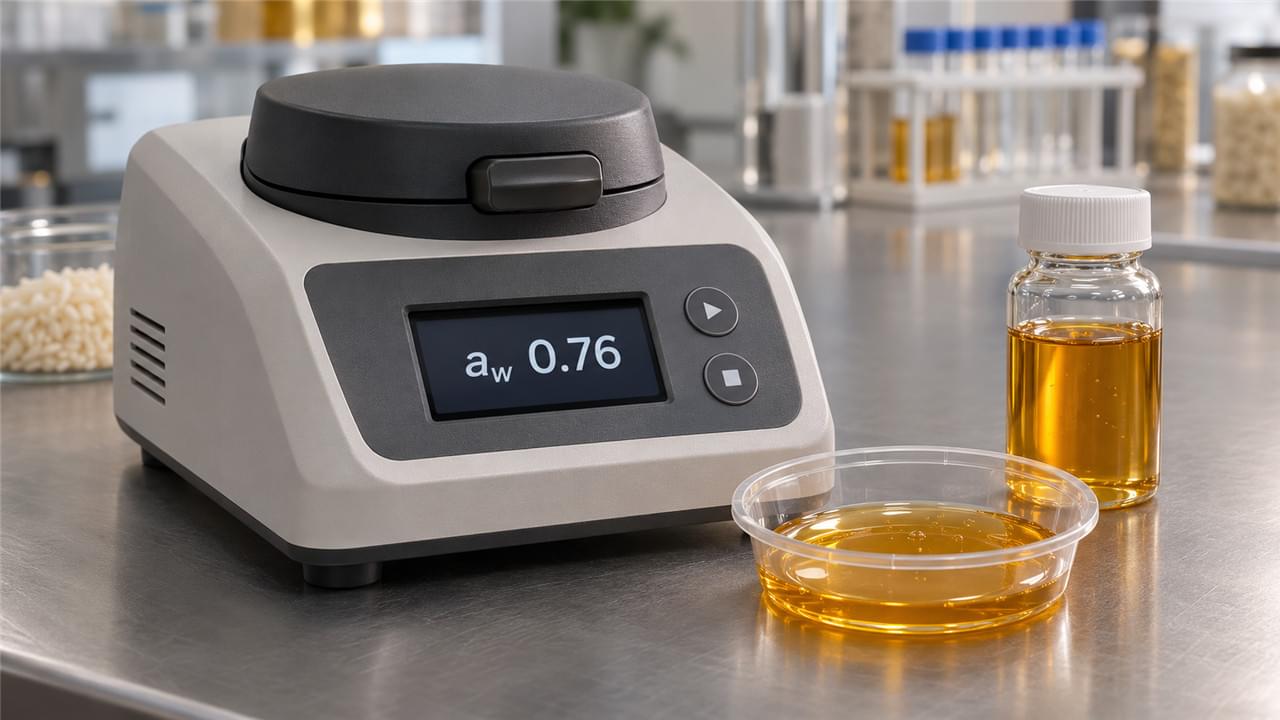
Water activity (aw) is the parameter that governs whether microbes can grow at all — and it sits at the heart of rice syrup food safety. The science of water activity explains why syrup, honey, and jam resist spoilage while a watery broth doesn’t.
Why Water Activity Powers Rice Syrup Microbiological Standards
The water activity rice syrup maintains at 78–82 Brix sits in the 0.65–0.72 range, which:
- Completely inhibits bacterial growth (including pathogens)
- Inhibits most yeasts and molds
- May still allow limited growth of osmophilic yeasts if Brix drops below specification
The critical implication follows directly: dilution is the primary microbiological risk. If water contamination pulls Brix below ~70°, water activity rises into the range where yeast and mold start growing. A sealed tank at spec is a fortress; a diluted one is a petri dish waiting to happen.
🦠 Standard Microbiological Specifications
The Six Limits That Define Rice Syrup Microbiological Standards
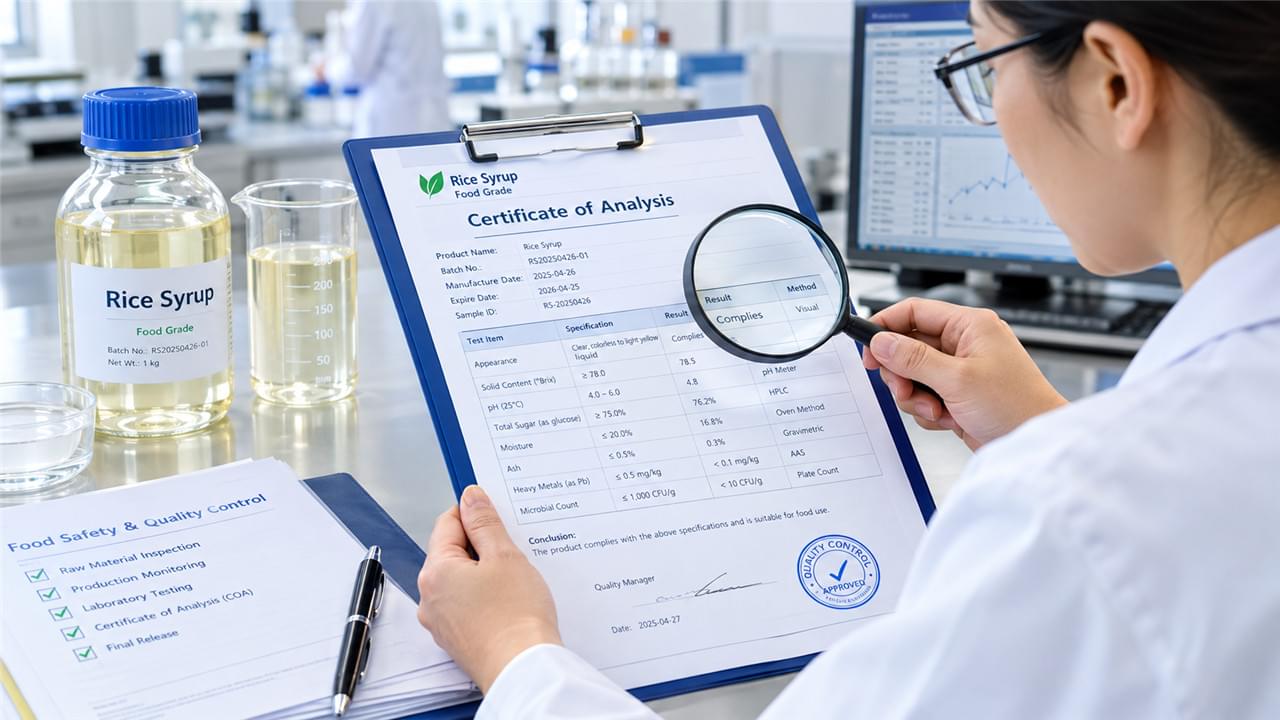
These are the specifications you’ll see on every reputable COA:
| Microorganism | Typical Limit | Test Method |
|---|---|---|
| Total Plate Count (TPC) | ≤ 200 CFU/g | ISO 4833 |
| Yeast | ≤ 10 CFU/g | ISO 21527 |
| Mold | ≤ 10 CFU/g | ISO 21527 |
| Coliforms | Absent per 10g | ISO 4832 |
| E. coli | Absent per 10g | ISO 16649 |
| Salmonella | Absent per 25g | ISO 6579 |
These limits are achievable through proper production practices and align with international food ingredient standards. Notice the absence of Salmonella and E. coli from the “limits” column — for a syrup at this water activity, they should never be there at all.
🍄 Osmophilic Yeast: The One Adversary That Matters
Despite high water activity protection, osmophilic yeasts represent the primary microbiological challenge. Species like Zygosaccharomyces rouxii and Debaryomyces hansenii evolved to live in sugar — jam, honey, and syrup are their natural habitat.
Keeping Rice Syrup Microbiological Standards Intact Against Yeast
Prevention strategies that actually work:
- Maintain Brix at specification (minimum 78 Brix)
- Prevent water condensation from entering storage containers
- Clean and sanitize storage tanks on a regular schedule
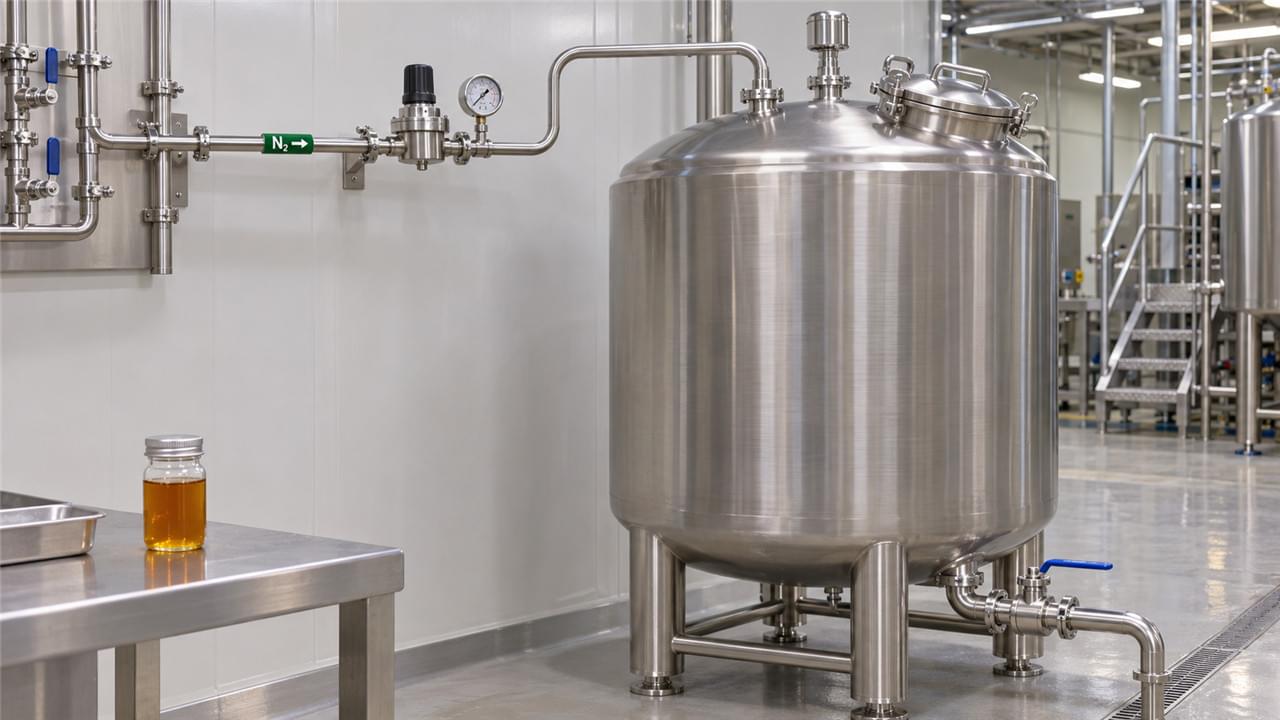
- Apply nitrogen blanketing in storage tanks
None of these are exotic. They’re disciplined basics — which is exactly why suppliers who do them consistently stand out on paper.
⏳ Shelf Life Under Different Storage Conditions
Rice syrup shelf life depends heavily on how the syrup is stored:
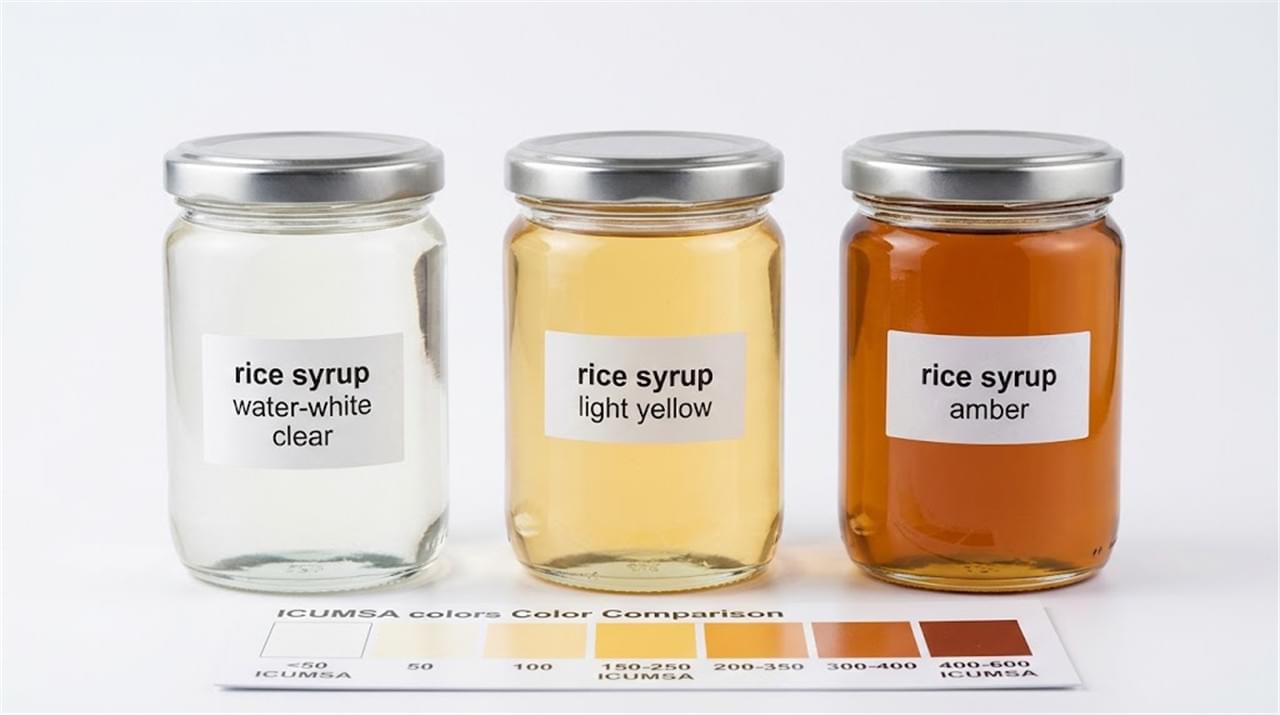
Standard conditions (18–25°C, sealed container): 12–18 months. The primary quality change is gradual color development — annoying for water-white specs, harmless otherwise.
Elevated temperature storage (>30°C): Accelerated Maillard browning cuts shelf life to 9–12 months. Avoid prolonged storage above 35°C.
Opened or transferred containers: Surface contamination risk jumps once a container is opened. Monitor Brix in storage tanks — the dilution warning threshold is <76 Brix.
📋 COA Microbiological Review: What to Check
When reviewing COA results, four checks tell you whether a supplier truly operates to rice syrup microbiological standards:
Auditing a COA Against Rice Syrup Microbiological Standards
- Verify test methods: reputable suppliers use ISO-accredited laboratory methods — the same ones referenced in resources like the FDA’s laboratory methods library
- Confirm test frequency: full microbiological testing per production lot, not quarterly spot checks
- Review trending: request historical data to assess lot-to-lot consistency
- Third-party verification: annual independent laboratory testing
A COA that ticks all four boxes tells you more about a supplier’s real hygiene than any audit-day tour ever will.
✅ Conclusion
Rice syrup microbiological standards are well-established and backed by sound food science: high water activity does most of the defensive work, a handful of disciplined practices keeps osmophilic yeast out, and ISO-method COAs prove it lot by lot.
Wuhu Deli Foods provides complete microbiological COA documentation with every shipment using accredited third-party laboratories. Contact our quality team

 English
 Deutsch
 Español
 العربية
 Français
 Русский
 Bahasa Indonesia
 한국어
 日本語
 Polski
 Português
 Bahasa Melayu