
استخدامات شراب الأرز في المشروبات تتوسع استخدامات شراب الأرز بسرعة مع بحث شركات المشروبات عن مكونات طبيعية أكثر، وحلاوة أنعم، وبدائل أكثر ملاءمة للمستهلكين من المحليات التقليدية. من منتجات التغذية الرياضية إلى المشروبات النباتية، يوفر شراب الأرز نكهة متوازنة، وذوبانًا ممتازًا، وأداءً موثوقًا في عمليات التصنيع، وهي مزايا يقدّرها مصنّعو المشروبات العصريون بشكل متزايد.
يقرأ المستهلكون اليوم ملصقات المكونات بعناية. ويتجنب الكثيرون المحليات الصناعية وشراب الذرة عالي الفركتوز، مما يدفع المصنّعين نحو حلول الكربوهيدرات الطبيعية التي لا تزال توفر وظائف ممتازة. وقد أصبح شراب الأرز أحد أكثر الحلول العملية لتطوير المشروبات لأنه يجمع بين الاستقرار التقني وصورة نقية وجذابة. 🌾
بالنسبة لمصنعي المشروبات الذين يبحثون عن حلول أوسع نطاقًا للشراب، إليكم نظرة عامة شاملة على التطبيقات من حلول شراب الأرز من ديلي فودز يوفر رؤى إضافية حول التركيبات عبر صناعات متعددة.
🌟 لماذا تستمر استخدامات مشروبات شراب الأرز في النمو؟
تتطلب المشروبات الحديثة أكثر بكثير من مجرد الحلاوة. يجب أن يؤدي مُحلي المشروبات الناجح وظيفته بثبات خلال مراحل الإنتاج والتخزين والنقل والاستهلاك.
المزايا الوظيفية الرئيسية
- ✅ قابلية ذوبان ممتازة في الماء
- ✅ حلاوة محايدة
- ✅ تأثير طفيف على النكهة
- ✅ مستقر في ظل ظروف بريكس القياسية للمشروبات
- ✅ وضع المكونات ذات الملصق النظيف
- ✅ مناسب للمعالجة الساخنة والباردة
بالمقارنة مع بعض أنواع شراب الجلوكوز، يوفر شراب الأرز حلاوة أكثر سلاسة دون إحداث ذروات حلاوة حادة للغاية. وهذا ما يجعله ذا قيمة خاصة في المشروبات الفاخرة حيث يُعدّ تداخل النكهات أمراً بالغ الأهمية.
كما يوفر شراب الأرز عالي الجودة صفاءً استثنائياً، وهو أمر بالغ الأهمية للمشروبات الشفافة مثل الشاي الجاهز للشرب والمشروبات الغازية والمشروبات الرياضية.
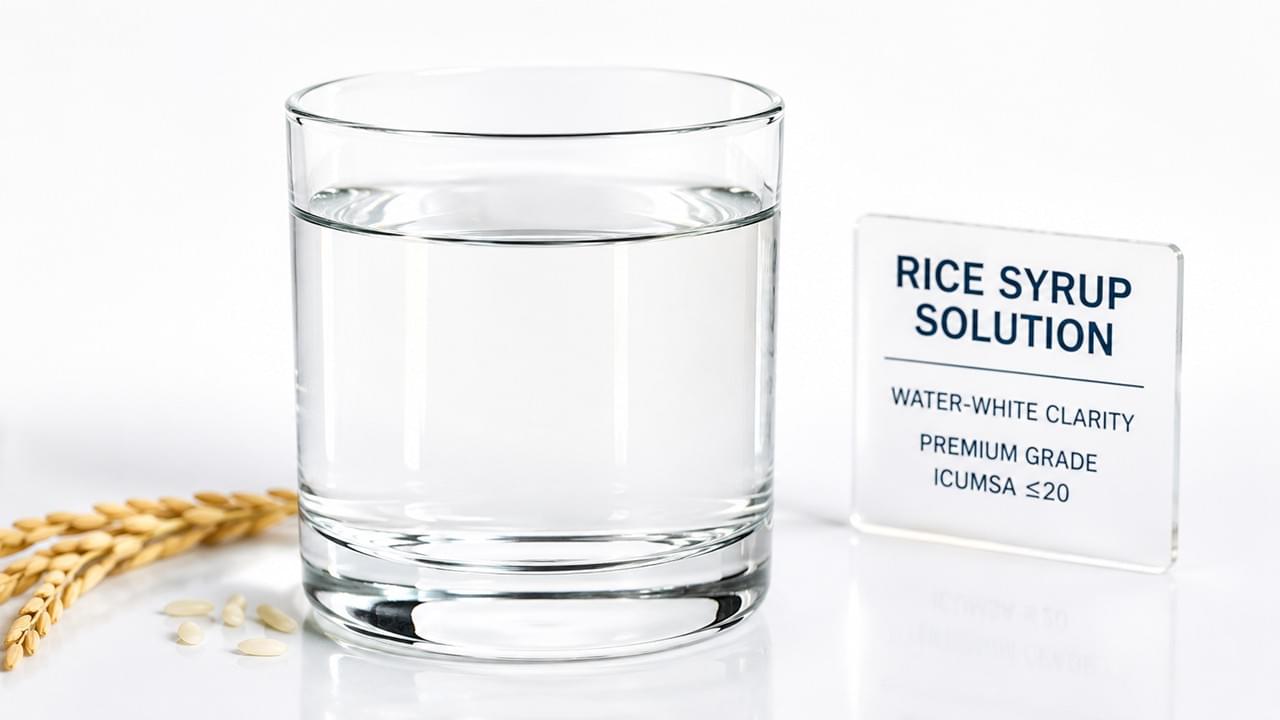
🥤 استخدامات شراب الأرز في المشروبات الغازية
واحدة من أسرع الشركات نمواً تطبيقات مشروبات شراب الأرز هي المشروبات الغازية. غالباً ما تحتاج العلامات التجارية للمشروبات التي تستبدل شراب الذرة عالي الفركتوز إلى مكون يحافظ على ثبات الحلاوة دون تغيير الملمس أو الشفافية.
يُعد شراب الأرز عالي DE (DE 58–65) فعالاً بشكل خاص في المشروبات الغازية لأنه يذوب بسرعة ويظل مستقرًا طوال فترة صلاحيته.
لماذا تفضل شركات المشروبات شراب الأرز
- مظهر صافٍ كالكريستال للمشروبات الفاخرة
- خطر الترسيب ضئيل
- حلاوة ناعمة بدون طعم لاذع يدوم طويلاً
- متوافق مع أنظمة نكهات الحمضيات والتوت والفواكه الاستوائية
تركيبة نموذجية للمشروبات الغازية
| المكون | مستوى الاستخدام |
| شراب الأرز (DE 60–65) | 8–12% |
| حامض الستريك | حسب الحاجة |
| نظام النكهة | حسب الحاجة |
| الكربنة | 2.5–4.0 حجم ثاني أكسيد الكربون |
يقوم العديد من مصنعي المشروبات الذين ينتقلون من استخدام شراب الذرة عالي الفركتوز بتقييم الوضع الحالي. بديل شراب الأرز عالي الفركتوز استراتيجيات لتحسين شفافية المكونات مع الحفاظ على كفاءة المعالجة.
للاطلاع على المزيد من اتجاهات المُحليات ذات المكونات الطبيعية، المجلس الدولي لمعلومات الغذاء ينشر بانتظام أبحاثاً حول تفضيلات المستهلكين للمكونات.
⚡ استخدامات شراب الأرز في المشروبات الرياضية ومشروبات الطاقة
تتطلب المشروبات الرياضية توصيلًا سريعًا للطاقة، وثباتًا في الأسمولية، وتفاعلًا محايدًا مع النكهات. هذا هو المكان الذي تركيبة مشروب رياضي من شراب الأرز يصبح فعالاً بشكل خاص.
يحتوي شراب الأرز بشكل طبيعي على الجلوكوز والمالتوز، مما يجعله مصدراً فعالاً للكربوهيدرات لتجديد الجليكوجين بسرعة أثناء التمرين والتعافي.
فوائد التغذية الرياضية
- ⚡ امتصاص سريع للكربوهيدرات
- 💧 يدعم أنظمة المشروبات متساوية التوتر
- 🥤 نكهة خفيفة متوافقة مع الإلكتروليتات
- 🔬 استقرار تصنيعي موثوق
مثال على تركيبة مشروب رياضي
| المكون | مستوى الاستخدام |
| شراب الأرز (DE 60–65) | 6–8% |
| الإلكتروليتات | حسب المواصفات |
| نكهة طبيعية | 0.1–0.3% |
| ماء | توازن |
يتراوح تركيز الأسمولية المستهدف عادةً من 270 إلى 330 ملي أسمول/كجم لأداء المشروبات متساوية التوتر.
يمكن للعلامات التجارية التي تطور منتجات ترطيب وظيفية أن تستكشف أيضًا موارد مكونات المشروبات المتاحة في أخبار أعمال الأغذية للاطلاع على اتجاهات الصياغة الأوسع.
🍵 استخدامات شراب الأرز في مشروبات الشاي والقهوة الجاهزة للشرب
يُعدّ توازن النكهات أمراً بالغ الأهمية في المشروبات الجاهزة للشرب. تتطلب تركيبات الشاي والقهوة حلاوة تُكمّل النكهات الرقيقة بدلاً من أن تطغى عليها.
لهذا السبب تطبيقات مشروبات شراب الأرز أصبحت شائعة بشكل متزايد في فئات المشروبات الجاهزة للشرب المتميزة.
لماذا يُعدّ شراب الأرز خيارًا جيدًا للمشروبات الجاهزة للشرب؟
- حلاوة ناعمة
- تقليل إخفاء النكهة
- توافق ممتاز مع بوليفينولات الشاي
- أداء مستقر أثناء عملية البسترة
يستفيد الشاي الأخضر والشاي الأسود وشاي أولونغ والقهوة الباردة من حلاوة شراب الأرز الأكثر نعومة مقارنة بالمحليات المكررة للغاية.
مثال على تركيبة شاي جاهز للشرب
| المكون | مستوى الاستخدام |
| مركز الشاي | 30–40% |
| شراب الأرز (DE 52–60) | 6–10% |
| ماء | توازن |
| حمض الستريك والنكهة | حسب الحاجة |
بالنسبة للشركات التي تقوم بتطوير محافظ مشروبات فاخرة، يقدم الدليل المفصل الموجود في الموقع مراجع تركيبات أوسع.
🥛 استخدامات شراب الأرز في مشروبات الحليب النباتي
يستمر قطاع المشروبات النباتية في النمو عالميًا، لا سيما في فئات الشوفان واللوز والصويا. في هذه التركيبات،, شراب الأرز، حليب نباتي توفر هذه الحلول كلاً من الحلاوة وتحسين الملمس.
بخلاف بعض المحليات التي تخلق إحساسًا خفيفًا في الفم، يساهم شراب الأرز متوسط الكثافة في إضفاء قوام كريمي يساعد على محاكاة ملمس منتجات الألبان.
المزايا الوظيفية في الحليب النباتي
- 🌾 نكهة متوافقة مع الحبوب
- 🥛 تحسين الملمس واللزوجة في الفم
- 🌱 تحديد المواقع باستخدام الملصقات النظيفة
- 🚫 لا داعي للقلق بشأن الفركتوز بالنسبة للمستهلكين
مثال على تركيبة حليب الشوفان
| المكون | مستوى الاستخدام |
| قاعدة الشوفان | 10–15% |
| شراب الأرز (DE 45–52) | 2–5% |
| زيت دوار الشمس | 1–2% |
| ملح | 0.1% |
كما أن العلاقة الطبيعية بين حبوب حليب الشوفان وشراب الأرز تدعم أيضاً روايات العلامات التجارية المتميزة التي تركز على البساطة والألفة.
يمكن للمصنعين المهتمين بالتطبيقات المشابهة لمنتجات الألبان مراجعة استراتيجيات التركيب الموسعة.
🧪 استخدامات شراب الأرز في المشروبات المخمرة
تتطلب المشروبات المخمرة، مثل الكومبوتشا والمشروبات البروبيوتيكية، مصادر سكر قابلة للتخمر يتم التحكم بها. يوفر شراب الأرز محتوى متوازنًا من الجلوكوز والمالتوز يدعم النشاط الميكروبي دون حلاوة مفرطة.
فوائد المشروبات المخمرة
- يدعم التخمير المتحكم فيه
- يعزز تعقيد النكهة
- يوفر توافرًا مستقرًا للسكر
- متوافق مع أنظمة المشروبات البروبيوتيكية
تتراوح قيم DE الموصى بها عمومًا من 42 إلى 52 للمشروبات التي تركز على التخمير.
مع ازدياد الطلب العالمي على المشروبات الوظيفية، يقوم العديد من المصنعين بدمج شراب الأرز مع المكونات النباتية والبروبيوتيك والمستخلصات الطبيعية لإنشاء منتجات صحية متميزة.
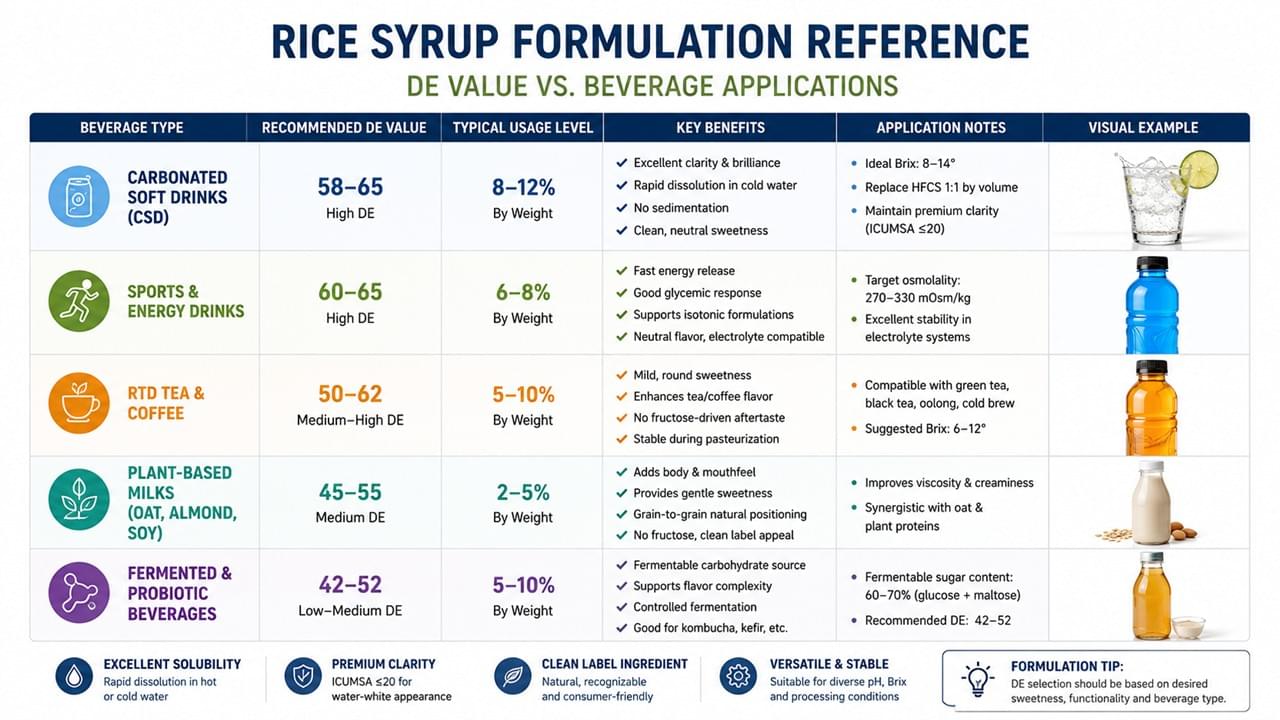
📊 مرجع سريع: استخدامات شراب الأرز في المشروبات حسب الفئة
| نوع المشروب | موصى به | مستوى الاستخدام | الفائدة الرئيسية |
| المشروبات الغازية | 58-65 | 8–12% | الوضوح والذوبان |
| المشروبات الرياضية | 60–65 | 6–8% | توصيل سريع للطاقة |
| شاي/قهوة جاهزة للشرب | 50–62 | 5–10% | توازن النكهة |
| حليب نباتي | 45–55 | 2–5% | تحسين الإحساس في الفم |
| المشروبات المخمرة | 42–52 | 5–10% | دعامة التخمير |
🚀 مستقبل استخدامات شراب الأرز في المشروبات
مع استمرار شركات المشروبات في التوجه نحو الابتكار باستخدام المنتجات ذات المكونات الطبيعية،, تطبيقات مشروبات شراب الأرز من المرجح أن يتوسع هذا المجال ليشمل المشروبات الوظيفية، ومشروبات الصحة الممتازة، والتغذية النباتية.
إن قدرة الشركة على الجمع بين الوظائف التقنية والتسويق الذي يراعي احتياجات المستهلك تمنح المصنعين ميزة قيّمة في أسواق المشروبات التي تزداد تنافسية.
سواء تم استخدامه في المشروبات الغازية أو المشروبات الرياضية أو الشاي الجاهز للشرب أو بدائل الألبان، فإن شراب الأرز يوفر توازناً عملياً بين الحلاوة والاستقرار ومرونة التركيبة بما يتماشى بشكل وثيق مع توقعات المستهلك الحديث.
يمكن لمصنعي المشروبات الذين يبحثون عن مواصفات شراب مخصصة ودعم في تركيبات المشروبات التواصل معنا. ووهو ديلي فوودز للحصول على عينات ومساعدة فنية.

 English
 Deutsch
 Español
 العربية
 Français
 Русский
 Bahasa Indonesia
 한국어
한국어 日本語
日本語 Polski
 Português
 Bahasa Melayu