
In the realm of culinary delights and food manufacturing, syrups play a significant and diverse role. Let’s embark on a journey to explore the origin and various categories of syrups.
Table of Contents
ToggleI. Introduction to Syrups
Syrups are versatile substances that add sweetness, moisture, and texture to a wide range of products. From baked goods to beverages, syrups are an essential ingredient for many. They come in different forms and flavors, each with its own unique characteristics and uses.
II. The Origin of Syrups
Syrups have a long and rich history. They have been used for centuries in various cultures around the world. Some of the most common syrup products include glucose syrup, maltose syrup, corn syrup, and molasses.
Glucose syrup, for instance, is widely used in the food industry due to its neutral taste and ability to enhance the texture of products. Maltose syrup, also known as malt extract, has its roots in traditional bread-making and fermentation processes. Corn syrup is a staple in many processed foods, providing a smooth texture and increased viscosity. And molasses, a byproduct of sugar production, has a distinct flavor and nutritional profile.
III. Molasses: The Dark and Rich Syrup
Molasses is a thick, dark syrup that is made from concentrated sugarcane juice. It is a byproduct of the sugar-making process and comes in different varieties, including sulfured and unsulfured molasses.
Sulfured molasses is a byproduct of the sugar-making process where sulfur dioxide is used to clarify the juice. Unsulfured molasses, on the other hand, is a specialty sugar product that is made without the use of sulfur dioxide.
Molasses contains a high amount of sucrose, along with other sugar powders, invert sugar, acidic components, water, and other substances that add color and flavor. The darker the molasses, the stronger the flavor, but it also contains less sugar than lighter varieties.
In baking, molasses is known for its ability to retain moisture and extend the freshness of baked products. It adds a rich, caramel-like flavor and a deep color to breads, cookies, and cakes. Molasses is also a good source of iron, calcium, and other minerals.
IV. Corn Syrup: The Versatile Liquid Sweetener
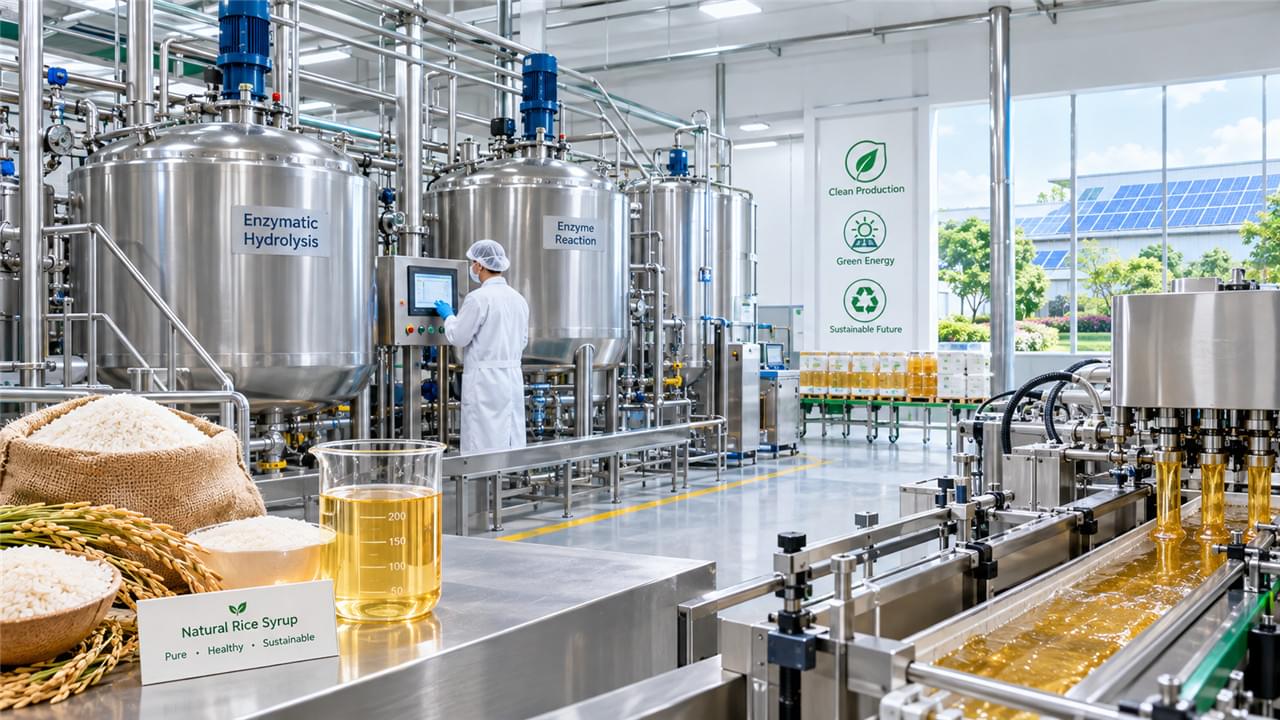
Corn syrup is a liquid sweetener that is commonly used in the food industry. It is made from corn starch that is converted into simpler compounds by various enzymes.
Corn syrup is a mixture of water, plant gum dextrin, and various sugars, mainly glucose. It is used to increase the viscosity and sweetness of products such as candies, jams, and soft drinks.
One of the advantages of corn syrup is its ability to add moisture to products. It has a mild flavor that is not as sweet as sucrose, making it a popular choice for those who prefer a less intense sweetness. Corn syrup also has a longer shelf life than other sweeteners, making it ideal for use in processed foods.
V. Glucose Syrup: The Pure and Neutral Sweetener
Glucose syrup is a clear, colorless syrup that is similar to corn syrup in many ways. It is highly purified and has a neutral taste, which makes it a favorite among bakers.
Glucose syrup is made by hydrolyzing starch, usually from corn or wheat. It is composed mainly of glucose, but may also contain other sugars such as maltose and dextrin.
If a recipe calls for glucose syrup and you don’t have it on hand, you can use a diluted corn syrup as a substitute. However, keep in mind that the flavor and texture may be slightly different.
Glucose syrup is often used in confectionery making to prevent crystallization and to give a smooth texture to candies. It is also used in baked goods to add moisture and extend shelf life.
VI. Maltose Syrup: The Traditional Bread-Making Ingredient
Maltose syrup, also known as malt extract, has a long history in bread-making. It was originally used as a source of food for yeast and to enhance the flavor and color of bread.
There are two main types of maltose syrup: maltose syrup with amylase and maltose syrup without amylase.
Maltose syrup with amylase contains the enzyme amylase, which breaks down starch into sugars that can be used by yeast. This type of maltose syrup is ideal for products that require a short fermentation time. However, it is not suitable for products with a long fermentation time as it can turn the bread into a sticky dough.
Maltose syrup without amylase is processed at a high temperature, which destroys the enzyme. This results in a darker and more flavorful syrup. It contains fermentable sugars that can enhance the color and flavor of bread while maintaining its quality and other characteristics.
In addition to liquid maltose syrup, there are also dry forms available. Dry malt extract is dehydrated maltose syrup that must be stored in a sealed container to prevent moisture from entering. Malt flour, on the other hand, is a dry powder made from germinated barley that has not been extracted with malt extract. It has a relatively low concentration of enzymes and can be added to flour when making bread.
VII. The Importance of Syrups in the Food Industry
Syrups play a crucial role in the food industry. They are used not only for their sweetening properties but also for their ability to improve the texture, moisture content, and shelf life of products.
In the baking industry, syrups are used to add moisture to breads and cakes, preventing them from drying out. They also help to improve the texture and tenderness of baked goods. In confectionery making, syrups are used to create smooth textures and prevent crystallization.
In the beverage industry, syrups are used to add sweetness and flavor to soft drinks, juices, and other beverages. They can also be used to make syrups for coffee and tea.
VIII. Choosing the Right Syrup for Your Needs
When choosing a syrup, it is important to consider your specific needs and preferences. If you are looking for a sweetener with a neutral taste, glucose syrup or corn syrup may be a good choice. If you want a syrup with a distinct flavor, molasses or maltose syrup may be more suitable.
Consider also the intended use of the syrup. For baking, you may want to choose a syrup that can add moisture and improve the texture of your products. For beverages, a syrup with a good solubility and flavor profile may be preferred.
IX. Conclusion
In conclusion, syrups are a diverse and essential part of the food industry. From molasses with its rich flavor and nutritional value to glucose syrup and corn syrup with their neutral tastes and versatile uses, and maltose syrup with its traditional role in bread-making, there is a syrup for every need.
Understanding the origin and categories of syrups can help you make informed choices when it comes to using these substances in your cooking and baking. Whether you are a professional chef or a home cook, syrups can add a touch of sweetness and texture to your creations.



 English
 Deutsch
 Español
 العربية
 Français
 Русский
 Bahasa Indonesia
 한국어
한국어 日本語
日本語 Polski
 Português
 Bahasa Melayu