
In the present era, the concept of health is constantly evolving, and consumers are paying more and more attention to the sugar content in food and the types of sweeteners used. According to the results of the 2018 IFIC Health Survey, a whopping 77% of consumers are striving to avoid excessive sugar intake.
However, despite the recommendation of the 2015 – 2020 US Dietary Guidelines that residents should consume no more than 10% of their total calorie intake from added sugars daily, the reality is far from optimistic, with only 42% of Americans meeting this requirement. Notably, the main sources of added sugars are concentrated in snacks and desserts such as cakes and cookies.
In light of this, snack and bakery producers are busy adjusting their product formulas, committed to reducing the sugar content. Especially with the upcoming FDA new label guidelines, which stipulate that the information of “added sugars” must be added to the label before January 2020. But reducing sugar is no easy task. You know, apart from imparting wonderful flavors, sugar also has various health benefits. Therefore, when looking for sweeteners to replace sugar, not only should they be low in calories, but they also need to meet multiple functional requirements similar to sugar. Next, let’s take a look at the new sweeteners currently present in foreign snacks and bakery foods.
Table of Contents
ToggleAnalysis of the Advantages and Disadvantages of New Sweeteners
The emergence of new sweeteners has brought about numerous changes in the food industry, and they have significant advantages. Firstly, they are low-calorie or zero-calorie. This is crucial for consumers concerned about weight management and health, allowing them to enjoy sweetness while reducing calorie intake. For example, stevia and erythritol can provide sweetness without adding calories. Secondly, some new sweeteners have high sweetness intensities. This means that only a tiny amount is needed to achieve the desired level of sweetness, reducing usage costs and the impact on the volume and taste of food. Moreover, they have good stability and can maintain consistent sweetness under different processing conditions and storage environments.
However, new sweeteners are not without flaws. One of the disadvantages is that some sweeteners may have aftertaste issues. For instance, certain artificial sweeteners may leave an unpleasant aftertaste after consumption. Additionally, some new sweeteners have relatively high costs, which may increase the production cost of food and be reflected in the product price. Moreover, for some new sweeteners, consumer acceptance and awareness still need to be improved. Some consumers may have doubts and concerns about new ingredients, requiring more science popularization and publicity to dispel misunderstandings.
In conclusion, while new sweeteners offer more choices and innovations to the food industry, they also need continuous improvement and refinement in research and development and application to better meet consumer needs and expectations.
Analysis of the Safety of New Sweeteners
The safety of new sweeteners as food additives has always been the focus of attention. Currently, there are dozens of sweeteners widely used globally, and the safety of these sweeteners has been affirmed by many international food safety agencies.
Authoritative institutions such as the Codex Alimentarius Commission, as well as those in the European Union, the United States, Australia, Canada, and other countries, all believe that the use of approved sweeteners in accordance with relevant regulations and standards will not cause harm to human health. This conclusion has been reached after a long and rigorous safety assessment.
For example, aspartame was discovered as early as 1965. With a sweetness about 150 to 200 times that of sucrose and providing very little energy, it is an excellent sugar substitute. Although it has been subject to various doubts due to its “artificial synthesis” label, especially accusations of causing cancer, after more than a decade of exploration by many research institutions, no definite evidence has been found. The US Food and Drug Administration (FDA) approved its use in certain foods in 1981, and later, other countries (including China) and international related institutions also recognized its safety. By 1996, the FDA lifted restrictions on the use of aspartame, allowing it to be used in any food (except for people with phenylketonuria).
There are 20 types of sweeteners approved for use in China, such as aspartame, acesulfame potassium, saccharin, and cyclamate, which are all approved in most countries and regions around the world. China also has strict regulations on the scope and dosage of sweetener use.
The Joint FAO/WHO Expert Committee on Food Additives (JECFA) conducts long and “stringent” scientific evaluations of the toxicity tests (including acute, subchronic, mutagenicity, carcinogenicity, reproductive toxicity, chronic toxicity, etc.) and metabolic pathways and kinetics research reports of each sweetener to be approved, and based on this, proposes the acceptable daily intake (ADI). When formulating the ADI value, various factors such as race, gender, and age have been fully considered. JECFA believes that normal intake of sweeteners in accordance with the ADI does not pose safety concerns.
Take sucralose, a common sweetener, as an example. JECFA has set the ADI of sucralose at 0 to 15 milligrams per kilogram. Assuming a bottle of soda (330 milliliters) uses only sucralose as the sweetener source and in accordance with the maximum limit stipulated by China’s “Standards for the Use of Food Additives” (0.25 grams per kilogram), it is calculated that an adult weighing 60 kilograms would need to drink more than 11 cans of such soda in a day (assuming no other sources of sucralose intake in this person’s diet) to exceed the acceptable daily intake. Therefore, as long as it is consumed in moderation, there is no need to worry about exceeding the standard.
However, some research findings also need attention. For example, a study published on March 24, 2022, indicated that registrants who consumed large amounts of artificial sweeteners (especially aspartame and acesulfame potassium) had a higher risk of cancer. But the study also pointed out that the results did not determine the causal relationship between artificial sweeteners and cancer, and further research is needed to confirm and clarify the underlying mechanisms.
In conclusion, for legally and moderately used new sweeteners, there is usually no need to overly worry about their safety. However, consumers should still understand relevant knowledge, choose products from regular channels, pay attention to a reasonable diet, maintain a balanced nutrition, and control total energy intake. At the same time, relevant departments also need to strengthen the supervision of the use of sweeteners to ensure their rational use in accordance with standard regulations to safeguard public health.
First, let’s talk about the isomaltulose sweetener from BENEO. This sweetener is derived from sugar cane and honey and is a functional carbohydrate composed of glucose and fructose. As an ideal substitute for sucrose, it has an extremely low glycemic response, with calorie content only half that of sugar, yet still provides a natural sweetness very close to that of sucrose. Isomaltulose sugar alcohol has excellent properties, remaining stable at high temperatures, resistant to acid and enzymatic hydrolysis. Its low hygroscopicity is a significant advantage, enabling its use in making bakery products such as cookies and chocolates. Even when sold in hot and humid climates, the related products can maintain high stability. In muffins, isomaltulose gives a beautiful brown color and a pleasant sweetness. Due to its low hygroscopicity, it can produce good dough. Tests have shown that partially replacing sucrose with isomaltulose in doughnuts can control water activity and water migration to extend the shelf life. Additionally, the glaze made with isomaltulose can maintain transparency for a long time, and due to its low hygroscopicity, the glaze does not become sticky.
Next, let’s look at KetoseSweet + from Icon Foods. This ingredient is actually a mixture of allulose, a rare sugar derived from fruits such as jackfruit, figs, and raisins, and also combines stevia and monk fruit. Its taste is very similar to sugar, with a sweetness 1.5 times that of sugar. Moreover, it can participate in the Maillard browning reaction, interacting with proteins and sugars to produce caramel, making it an excellent sweetener choice for bakery products. It can also activate yeast, making it particularly suitable for fermented foods. Due to its certain degree of hygroscopicity, it can play a moisturizing role in nutrition bars. KetoseSweet + has 90% less calories than sugar and does not affect blood sugar. It can be used alone or in combination with other sweeteners, and this product is available in both liquid and crystal forms.
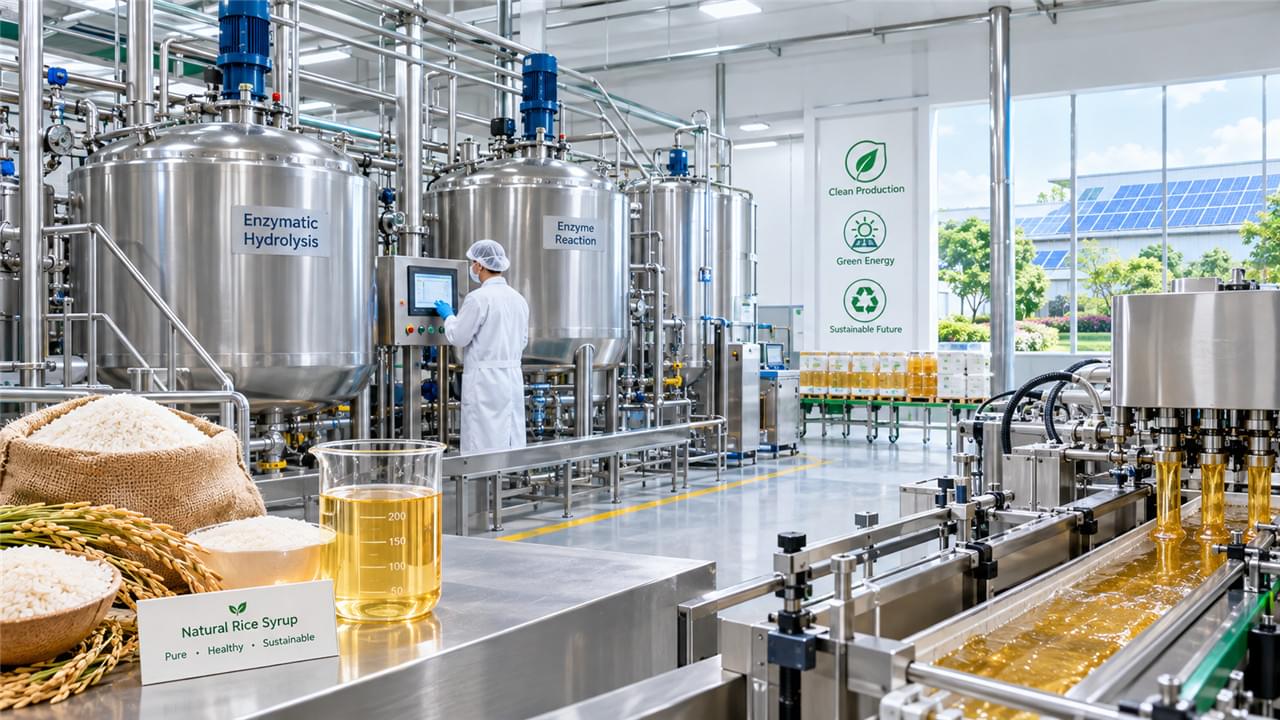
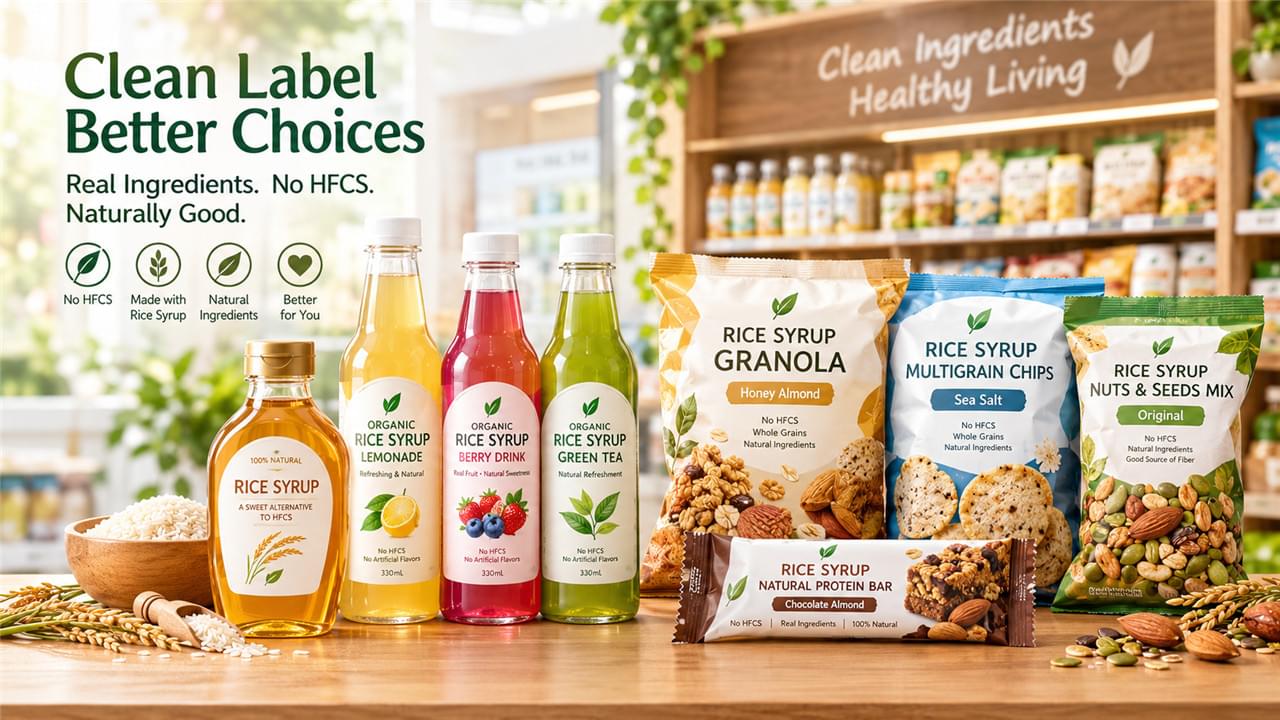
Now let’s talk about functional syrups. Ciranda has recently introduced organic rice syrup in its products. This functional rice syrup can act as a binder, expander, and browning agent, can undergo yeast fermentation, prevent water migration, and help provide stability and consistent texture throughout the product’s shelf life. Developers can mix and match syrups of different dextrose equivalent (DE) levels to achieve the ideal flavor balance. Rice syrup is familiar and recognized by consumers, making it suitable for the development of clean labels. It can be used alone or in combination with other sweeteners such as cassava syrup or honey. This ingredient can be used in cereals and bar snacks for binding. In bakery products such as cookies and pastries, it can provide flavor, texture, and color.
Cargill has also recently expanded its portfolio of sweeteners by adding four non-GMO and clean-label cassava syrups. Cargill stated, “When creating the new syrup series, our research team was committed to developing products with specific carbohydrate characteristics and DE levels that could replace the company’s existing corn/glucose syrup combinations, allowing for a 1:1 replacement with almost no additional formulation work.” Cassava syrup performs well in snack bar applications. They act as a binder, holding the ingredients together without being too sticky. They also help retain moisture, keeping nutrition bars moist over time.
Let’s talk about the next-generation stevia sugar. This year, Cargill has begun commercial production of Eversweet, a zero-calorie new-generation sweetener made from Reb M and Reb D. You know, since the stevia plant can only extract trace amounts of Reb M and Reb D, Cargill produces Eversweet through fermentation. This method enables the commercial production of large quantities of Reb M and Reb D in a more sustainable manner. Eversweet provides sweetness without bitterness or aftertaste and can create a more rounded and faster onset of sweetness. For manufacturers seeking deep calorie reduction, it is the ideal choice and can achieve up to 100% sugar substitution in some applications. Eversweet can also be combined with Zerose erythritol or Oliggo-Fiber chicory root fiber to help replace the volume and functionality of sugar. It can be used in various baked goods and snacks, including cookies, cakes, cereals, and more.
Sweet Green Fields, in collaboration with Tate & Lyle, has launched the new-generation non-GMO stevias Stevia 4.10 and Intesse Stevia 2.0, which offer superior taste improvement and cost-effectiveness. “Both are extracted from stevia and are an optimized mixture of steviol glycosides that outperform the taste of traditional RA95 to RA100 and meet the demand for moderate sugar reduction. To achieve higher sugar reduction goals, Intesse Stevia 2.0 provides a refreshing taste similar to sucrose without a bitter flavor,” said Michael Quin, Senior Vice President of Sales at Sweet Green Fields. Stevias Stevia 4.10 can replace up to 6 or 7 °Brix (Bx) sugar, while Intesse Stevia 2.0 can reach up to 8 °Bx sugar. Both ingredients can be used in snacks, baked goods, and candies.
Ingredion Incorporated has recently launched the ENLITEN Fusion stevia sweetener to help manufacturers achieve the highest level of sugar reduction at an optimized cost. “Each sweetener is developed by combining the best attributes of various steviol glycosides, allowing manufacturers to better meet consumers’ taste, calorie, and sweetness expectations in various food applications,” said Elena Zalewski, the company’s sweetener market manager. She also pointed out that functional ingredients such as low-sugar syrups, polyols, fruit and vegetable concentrates, and prebiotic fibers can help compensate for the beneficial properties lost due to sugar reduction.
Finally, a word about natural, organic honey. According to True Source Honey, not all honey is legally and ethically sourced. “Consumers are willing to buy products that use honey as a sugar substitute because they are looking for natural foods that provide health benefits. The True Source Honey program is designed to protect the reputation and quality of honey products and is committed to sourcing honey from ethical and legal sources in a transparent and traceable manner. The True Source certification program is audited by an internationally recognized third-party company that ensures that honey is responsibly sourced from the hive to the packager.
Approximately 30% of honey sold in North America is True Source certified, and after successfully completing the third-party audit, manufacturers are able to use the True Source Honey or Made with True Source Honey logo on their packaging.
In summary, sugar substitute sweeteners will undoubtedly continue to gain widespread attention for consumers and manufacturers.

 English
 Deutsch
 Español
 العربية
 Français
 Русский
 Bahasa Indonesia
 한국어
한국어 日本語
日本語 Polski
 Português
 Bahasa Melayu