Clean Label Rice Syrup: 7 Ways It Wins Over Today’s Skeptical Shoppers
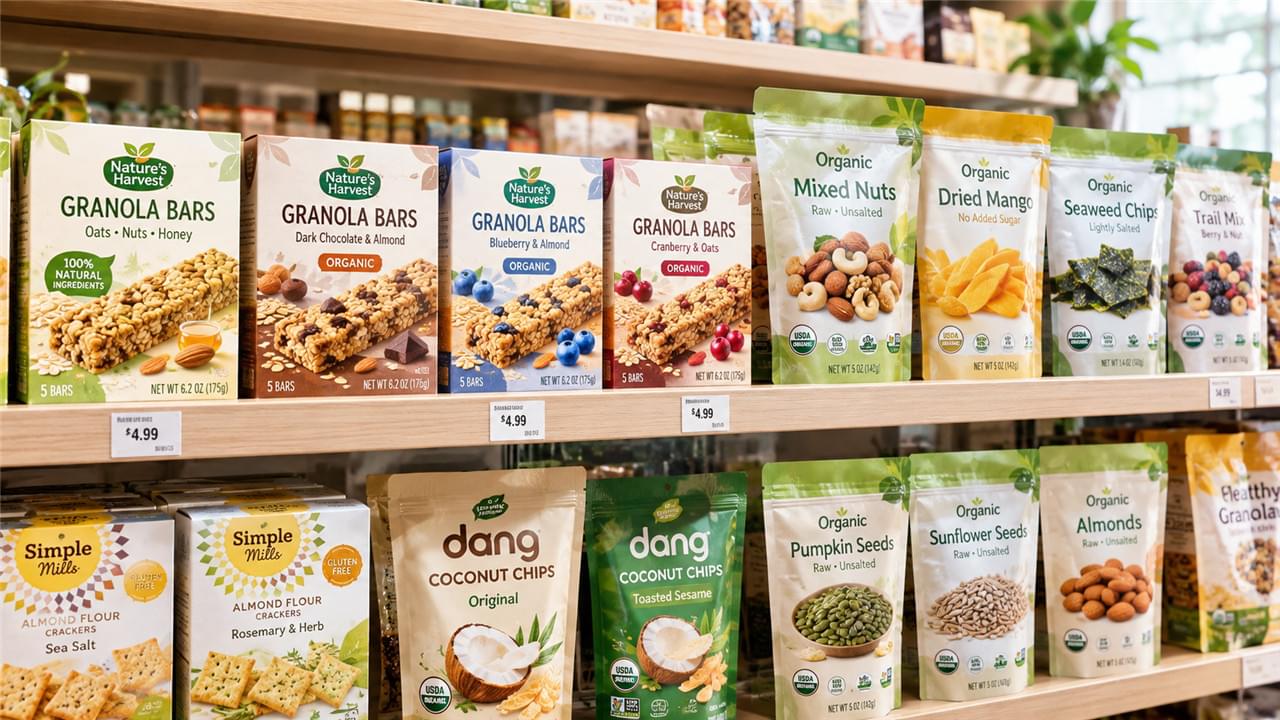
Shoppers have stopped taking ingredient lists on faith. Clean label rice syrup owes its rising shelf presence to exactly that shift: what began as a

Shoppers have stopped taking ingredient lists on faith. Clean label rice syrup owes its rising shelf presence to exactly that shift: what began as a
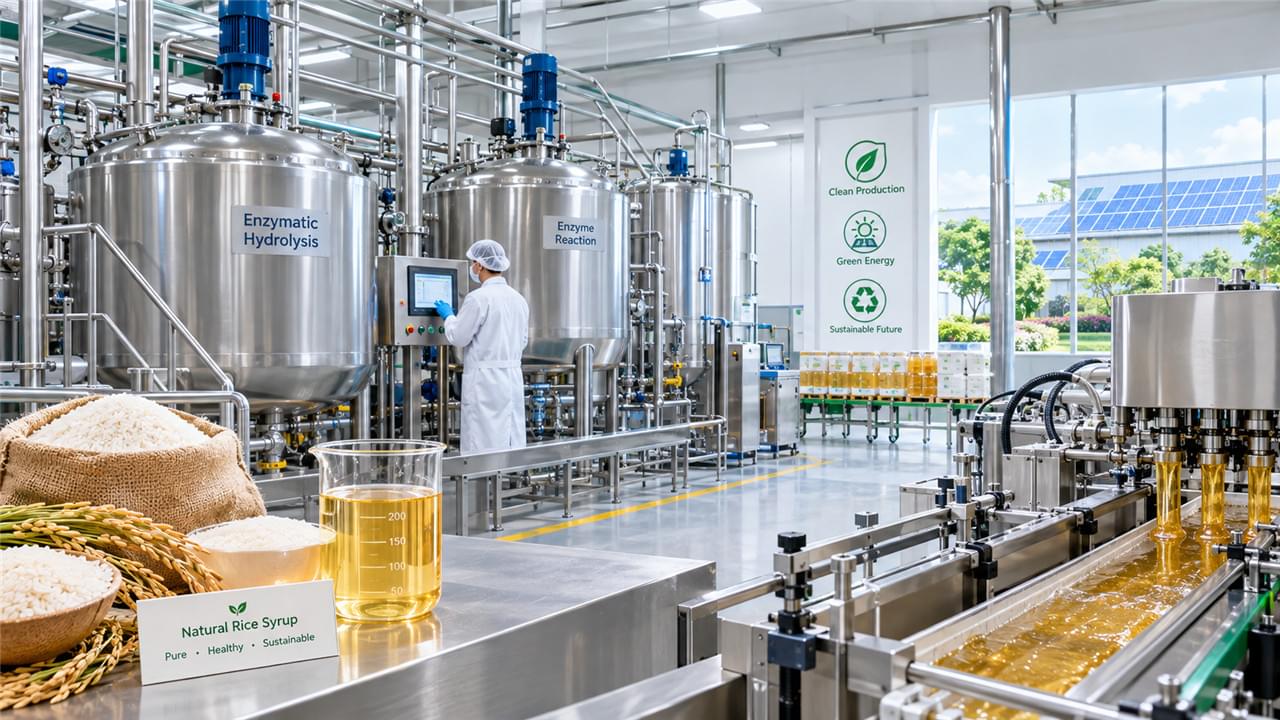
Rice syrup market trends tell the story of a sweetener riding its most consequential makeover in decades. As shoppers scrutinize ingredient labels and demand transparency,
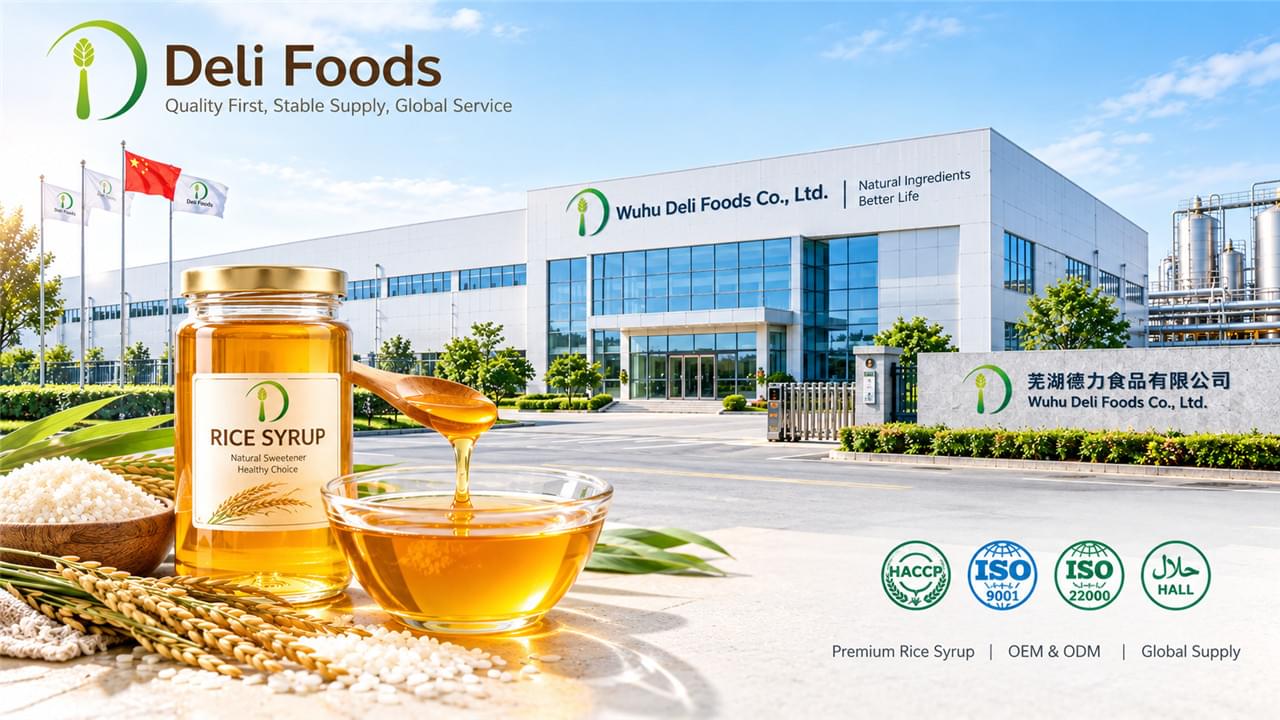
Wuhu Deli Foods rice syrup sits at the top of most supplier shortlists for a simple reason: the buying decision runs far deeper than price

Maltose syrup and rice syrup are old neighbors in the world of Asian sweeteners — both starch-derived, both with centuries of history in food manufacturing.
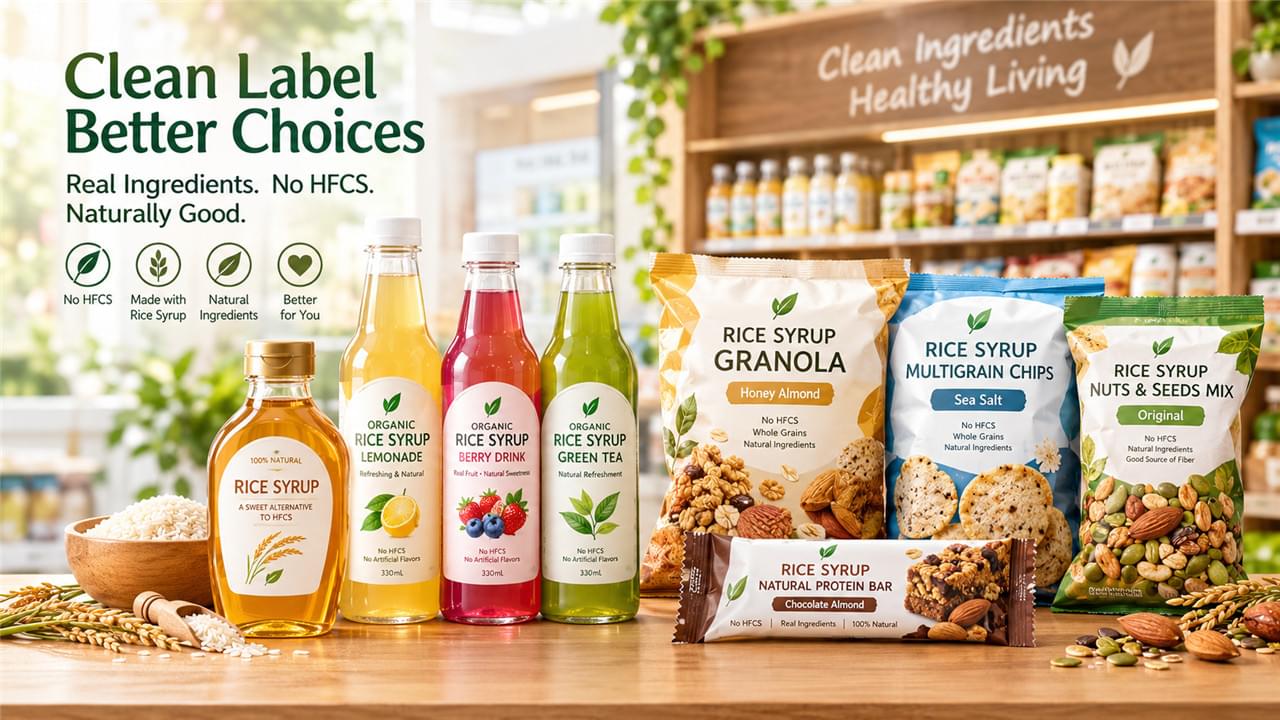
Replacing high fructose corn syrup (HFCS) with rice syrup is one of the most commercially consequential reformulation moves in today’s food industry. Sustained consumer rejection
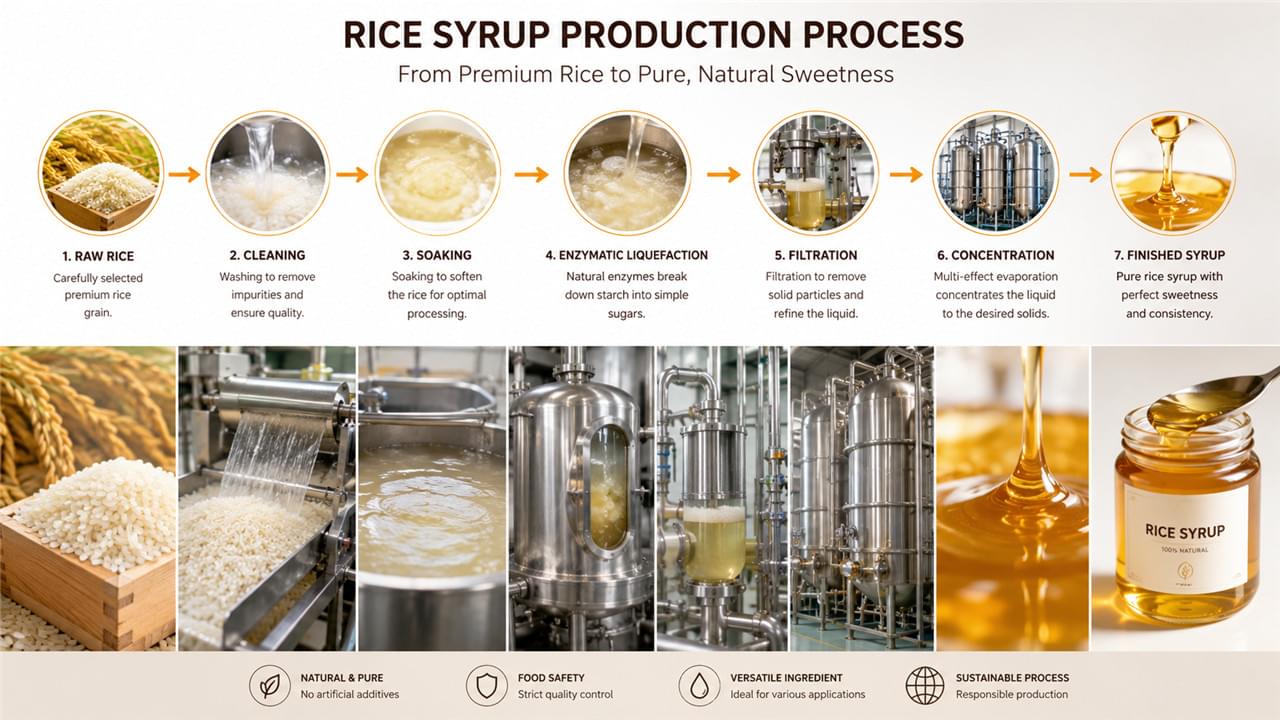
“Glucose syrup” is a broad category term you’ll see everywhere in European food regulation and ingredient specifications worldwide. Rice syrup is technically a type of
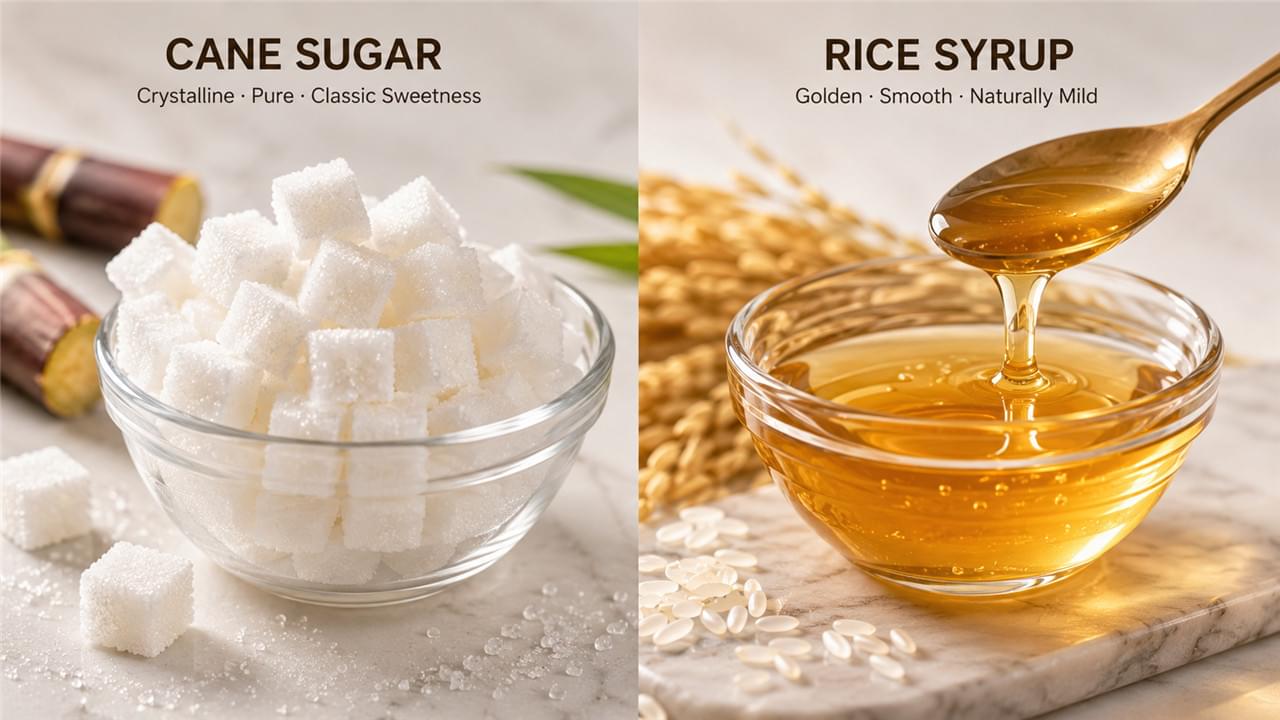
Cane sugar (sucrose) is the sweetener everyone knows — cheap, familiar, and reliably sweet, which is why it stays the benchmark for every alternative. Yet
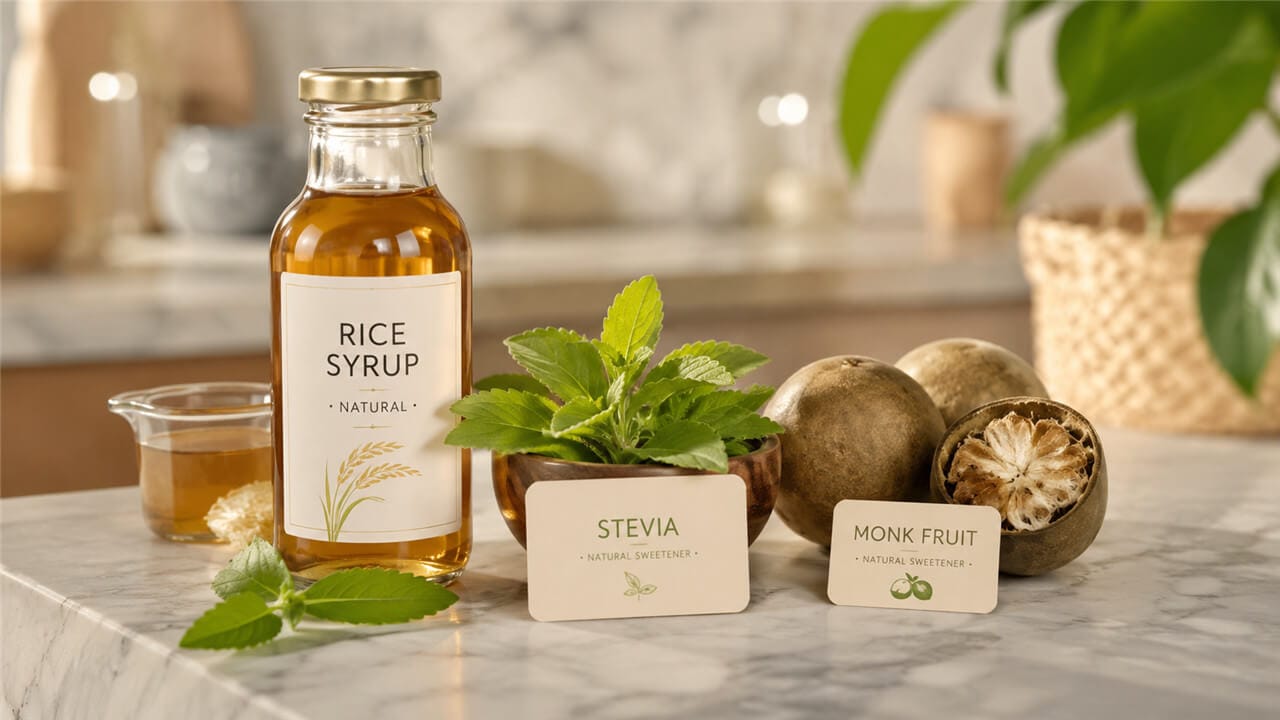
The rice syrup vs artificial sweeteners comparison isn’t straightforward, because the two aren’t playing the same game. Artificial sweeteners deliver intense sweetness at near-zero calories.
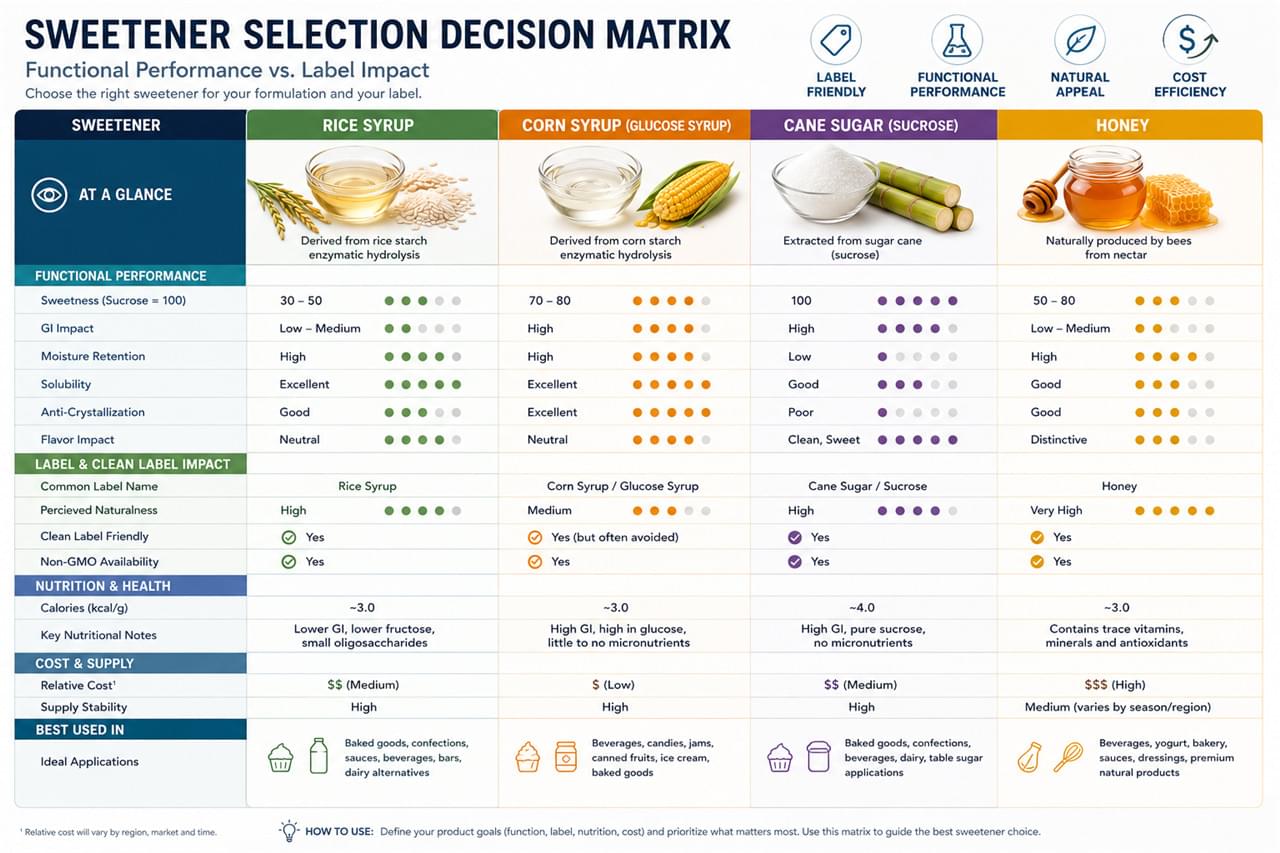
Why This Comparison Matters Choosing a sweetener is one of the most consequential decisions a food manufacturer makes. It shapes taste, texture, shelf life, nutrition,
 English English
 Deutsch
 Español
 العربية
 Français
 Русский
 Bahasa Indonesia
 한국어
 日本語
 Polski
 Português
 Bahasa Melayu